
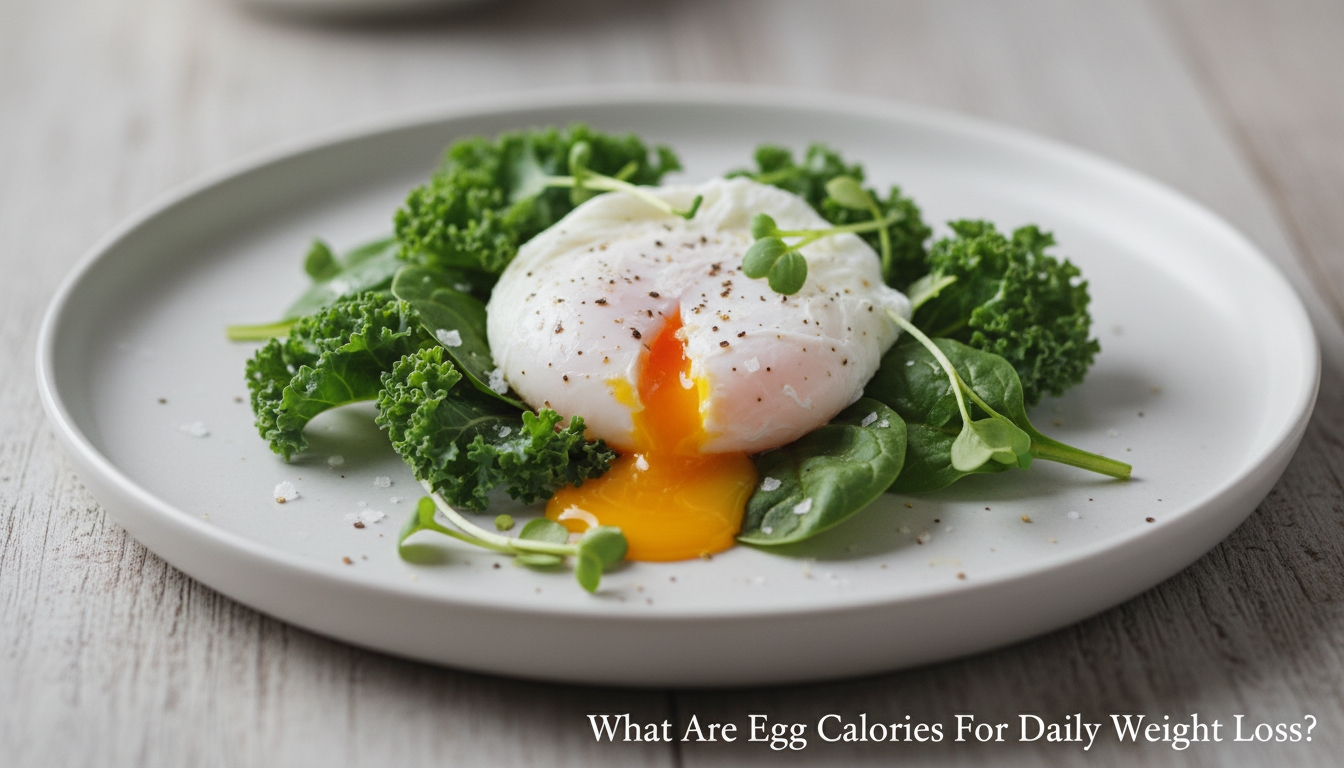
What Are Egg Calories For Daily Weight Loss?
A large egg packs roughly 70 kcal and 6 g of high‑quality protein, so it’s a low‑calorie, nutrient‑dense option for weight loss. The white contributes about 17 kcal, the yolk 55 kcal, and cooking methods matter—boiling or poaching keeps the count steady, while frying in butter or oil can add 30–50 kcal. You’ll get satiety‑boosting protein that also burns calories during digestion. If you stick to two or three eggs a day, they fit neatly into a 1,500‑calorie plan and support lean‑mass maintenance. Keep reading for tips on low‑calorie cooking and common pitfalls to avoid.
Egg Weight‑Loss Calorie Count: What a Typical Egg Contains
What’s the calorie count of a typical egg? You’ll find that a single large egg delivers about 70 kcal, most of which come from its protein and fat. The white contributes roughly 17 kcal, while the yolk adds around 55 kcal. This modest energy load makes eggs a handy staple for weight‑loss plans, because you can eat them without blowing your daily calorie budget.
When you track meals, note that cooking method matters: a boiled or poached egg keeps the count near 70 kcal, but frying in butter or oil can add 30–50 kcal per serving. Seasonings like salt or pepper don’t affect calories, but cheese or sauces will.
Because eggs pack high‑quality protein, they help you feel full longer, reducing snacking cravings. Their nutrient density—vitamins A, D, B12, and minerals—means you get more than just calories, supporting overall health while you cut back on total intake.
Egg Weight‑Loss Protein Power: Why It Beats Calories
While a single egg’s 70 kcal is already modest, its real advantage for weight loss lies in the protein it packs. You get about 6 g of high‑quality protein per egg, which triggers satiety hormones and steadies blood sugar, so cravings fade faster. Protein also boosts thermogenesis; your body burns more calories digesting it than it would with carbs or fat. Each gram of protein requires roughly 4 kcal to process, turning a portion of the egg’s calories into metabolic work. Moreover, the amino‑acid profile supports muscle maintenance while you cut calories, preserving lean mass that otherwise would melt away. When you replace a high‑carb snack with an egg, you lower insulin spikes and keep energy levels even. This combo of hunger control, calorie‑burning digestion, and muscle protection makes egg protein a powerhouse for daily weight‑loss goals.
How to Cook Eggs Without Adding Extra Calories
Ever wondered how to keep eggs low‑calorie while still getting that fluffy texture? You can master calorie‑free cooking by using heat‑only methods and non‑stick surfaces. Start with a non‑stick pan or a well‑seasoned cast‑iron skillet, preheat it, then add a splash of water or broth instead of oil. Cover the pan; the steam lifts the egg, creating a tender, airy result without extra fat. Scramble with a whisk and a dash of low‑sodium seasoning, then fold quickly to retain moisture. Boiling, poaching, or microwaving in a covered mug also keep calories at zero. The key is to avoid butter, oil, or cheese, and to use moisture‑based techniques that trap steam.
| Method | Key Tip |
|---|---|
| Poach | Simmer water, add vinegar |
| Boil | Start with cold water, gentle boil |
| Microwave | Cover, add 1 tbsp water |
| Steam‑scramble | Water splash, lid on pan |
How Many Eggs Fit Into a 1,500‑Calorie Day?
A typical 1,500‑calorie day can comfortably include two to three large eggs, providing roughly 140–210 calories and a solid boost of protein without crowding out other nutrient‑dense foods.
When you plan meals, count each egg as about 70 calories and 6 g of protein. That means three eggs occupy roughly 14 % of your daily calorie budget while delivering 18 g of protein, which helps preserve lean mass during a deficit.
Pair them with vegetables, whole‑grain toast, or a modest portion of fruit to keep the plate balanced. If you’re tracking macros, allocate the remaining calories to complex carbs, healthy fats, and fiber‑rich foods.
Remember that cooking methods matter: poaching, boiling, or scrambling with a spray of oil keeps the calorie count low. Adjust the number of eggs based on your overall protein goals and hunger cues, but staying within two to three per day fits neatly into a 1,500‑calorie plan.
Egg Weight‑Loss Mistakes to Avoid
Ever wonder why your egg‑centric diet isn’t shedding pounds? You might be falling into common traps that sabotage your progress. First, you could be over‑relying on eggs while ignoring overall calorie balance. Second, you may be pairing eggs with high‑fat sides that tip the scale. Third, you might skip tracking, assuming eggs are “free” calories. These mistakes are easy to fix once you recognize them.
- Portion control – Count the whole eggs you eat; three large eggs already supply ~210 calories.
- Smart pairings – Choose veggies, whole‑grain toast, or a small avocado instead of bacon or cheese.
- Track everything – Log each meal, even the egg‑based ones, to stay within your target range.
Frequently Asked Questions
Do Eggs Affect Metabolism Beyond Their Calorie Content?
Yes, eggs boost metabolism by supplying high‑quality protein that triggers a strong thermic effect, and their choline supports liver function, while B‑vitamins help convert food into energy more efficiently.
Can Egg Yolks Be Included in a Low‑Calorie Diet?
Yes, you can include egg yolks in a low‑calorie diet; just watch portion sizes, balance them with lean proteins and veggies, and keep your total daily calories under your target.
How Does Egg Consumption Influence Hunger Hormones?
You’ll find that eating eggs boosts satiety hormones like peptide YY and reduces ghrelin, so you feel fuller longer; the protein and fat in eggs signal your brain to curb appetite, aiding weight‑loss goals.
Are There Differences in Calorie Count Between Free‑Range and Conventional Eggs?
You’ll find free‑range and conventional eggs have virtually the same calories—about 70 kcal per large egg—so the difference is negligible for weight‑loss planning.
What Is the Optimal Timing for Eating Eggs for Weight Loss?
Eat eggs within two hours of waking and again before your post‑workout meal; this boosts protein synthesis, curbs cravings, and keeps metabolism steady, helping you lose weight faster.
Conclusion
You’ve seen how low‑calorie, protein‑rich eggs can fit into a 1,500‑calorie plan, boost satiety, and keep your metabolism humming. By cooking them plain—boiled, poached, or scrambled with minimal spray—you avoid hidden calories. Stick to a reasonable portion, pair them with veggies, and dodge over‑reliance on egg‑only meals. With these simple rules, eggs become a tasty, efficient tool for steady weight loss.


No Comments