
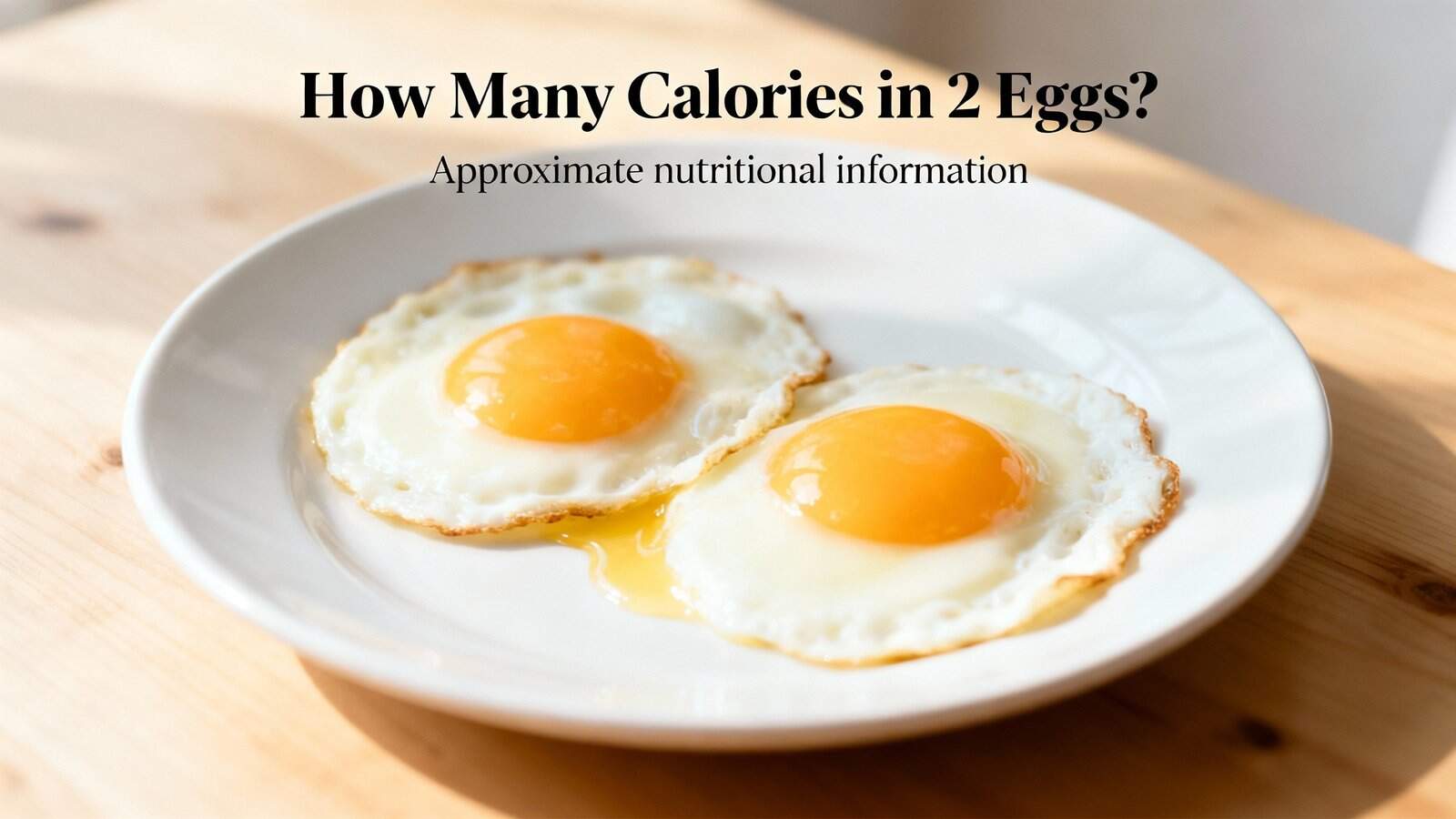
You’re looking at exactly 144 calories when you crack open two large eggs, though this number shifts depending on the size of eggs you’ve grabbed from the carton. Two medium eggs contain 126 calories, while two jumbo eggs pack 180 calories. Along with those calories, you’ll get 12.6 grams of complete protein, healthy fats, and essential vitamins. The way you cook them and what you add can significantly change your final calorie count.
Key Takeaways
- Two large eggs contain 144 calories total, providing a moderate caloric contribution to your daily diet.
- Calorie count varies by egg size: two medium eggs have 126 calories, two extra-large have 160 calories.
- Adding cooking fats like butter or oil increases calories by 100-120 per tablespoon used.
- Two egg whites contain only 34 calories compared to 144 calories in two whole eggs.
- Two eggs represent approximately 6-8% of a standard 2,000-calorie daily diet.
Calorie Count by Egg Size
Most people don’t realize that egg size significantly affects the calorie count of their breakfast. When you’re tracking calories, understanding egg size variations can make a real difference in your daily intake.
A small egg contains about 54 calories, while a medium egg has approximately 63 calories. You’ll find that large eggs pack around 72 calories each, and extra-large eggs contain roughly 80 calories. Jumbo eggs top the chart at 90 calories per egg.
For two eggs, you’re looking at 108 calories for small, 126 for medium, 144 for large, 160 for extra-large, and 180 for jumbo. That’s a 72-calorie difference between the smallest and largest options.
This egg size comparison shows why you shouldn’t assume all eggs are equal. If you’re meal planning or counting macros, you’ll need to check your egg carton’s size designation. Most recipes call for large eggs, but your grocery store likely stocks multiple sizes.
Nutritional Breakdown Beyond Calories
While calorie counting matters, you’re missing the bigger picture if that’s all you consider when eating eggs. Two large eggs pack remarkable nutrient density into their 140-calorie package. You’ll get complete protein with all nine essential amino acids your body can’t produce alone.
Here’s what else you’re getting in two eggs:
- 12.6 grams of protein – supports muscle growth and repair
- 372mg of cholesterol content – about 124% of daily value
- 10 grams of healthy fats – including omega-3 fatty acids
- Essential vitamins – B12, D, A, and riboflavin
You’ll also benefit from minerals like selenium, phosphorus, and iron. The cholesterol content isn’t necessarily harmful for most people – dietary cholesterol doesn’t directly raise blood cholesterol as once believed. Eggs contain choline too, crucial for brain health and metabolism. Their nutrient density makes them one of nature’s most efficient foods, delivering maximum nutrition per calorie consumed.
How Cooking Methods Affect Caloric Content
You’ll find that cooking methods significantly change your eggs’ final calorie count, even though the raw eggs themselves contain the same base calories. Adding oil or butter during cooking can increase the total by 40-120 calories, while the cooking temperature you choose affects how much fat the eggs absorb.
Raw eggs retain their original 140-160 calories for two large eggs, but once you start cooking, every technique from scrambling to frying adds its own caloric signature.
Raw Vs Cooked
Two large raw eggs contain approximately 143 calories total, but that number changes depending on how you cook them. When you’re comparing raw versus cooked eggs, you’ll notice interesting differences beyond just calories.
Here’s what happens when you cook eggs:
- Protein becomes more digestible – Your body absorbs 91% of cooked egg protein versus 51% from raw
- Biotin availability increases – Cooking releases this B vitamin for better absorption
- Egg texture transforms – Heat denatures proteins, creating firmer consistency
- Bacteria risk drops – Cooking eliminates salmonella concerns
While raw eggs maintain their original calorie count, cooking methods add calories through oils or butter. Egg freshness doesn’t affect calories, but it impacts how well eggs hold their shape when cooked. You’ll get roughly the same nutrition either way, but cooked eggs offer safer, more efficient nutrient delivery.
Oil and Butter
Each tablespoon of oil or butter you use for cooking adds 100-120 calories to your eggs, instantly transforming a low-calorie meal into something more substantial. You’ll find that oil type matters significantly – olive oil contains 119 calories per tablespoon, while coconut oil has 117 calories. Vegetable and canola oils pack similar amounts at 120 calories each.
When you’re controlling butter quantity, remember that one tablespoon adds 102 calories to your dish. If you’re making scrambled eggs, you might use two tablespoons, doubling your added calories to 200-240. That’s more than the eggs themselves! You can reduce calories by using cooking spray (about 5 calories), opting for non-stick pans, or trying water-based cooking methods. Your choice of cooking fat can triple your meal’s caloric content.
Cooking Temperature Impact
Cooking temperature doesn’t change the actual calorie count of eggs themselves, but it dramatically impacts how much fat they absorb during preparation. Higher temperatures create a barrier that prevents excessive oil absorption, while lower heat allows eggs to soak up more cooking fat.
Here’s how different temperatures affect your eggs’ final calorie count:
- High heat (350°F+): Creates quick protein coagulation, limiting fat absorption
- Medium heat (300-350°F): Balances cooking time with moderate oil uptake
- Low heat (below 300°F): Extends cooking time, increasing fat absorption by 20-30%
- Steam or poach: Adds zero calories regardless of temperature
Your cooking method directly influences these effects. You’ll find scrambled eggs absorb more oil than fried eggs at any temperature because of their increased surface area and longer cooking time.
Common Add-Ins and Their Impact on Total Calories
While plain eggs offer a relatively low-calorie protein option, the ingredients you add during cooking can significantly increase the calorie count of your meal. You’ll transform a 140-calorie two-egg dish into something much heavier with common additions.
Butter or oil adds 100-120 calories per tablespoon you use for cooking. Cheese contributes another 110 calories per ounce, while bacon brings 90 calories for just two strips. Even milk adds 20 calories per two tablespoons in scrambled egg dish combinations.
Your seasoning varieties matter too. While salt, pepper, and herbs add negligible calories, creamy sauces and dressings can pack 50-150 calories per serving. Vegetables like spinach, tomatoes, and mushrooms add minimal calories—usually under 20 total—while providing nutrients and volume.
If you’re watching calories, you’ll benefit from cooking spray instead of butter, using low-fat cheese sparingly, and loading up on vegetables. These simple swaps let you enjoy flavorful eggs without doubling or tripling the original calorie content.
Comparing Whole Eggs vs. Egg Whites
Most of the calories in eggs come from the yolk, which contains about 55 calories compared to just 17 calories in the white. When you’re deciding between whole eggs and egg whites, you’ll notice significant nutritional differences beyond calories.
The egg yolk composition includes most of the egg’s nutrients, while the white primarily offers protein. Here’s what you’re getting with each choice:
- Whole eggs (2 large): 144 calories, 12.6g protein, 10g fat
- Egg whites only (2 large): 34 calories, 7.2g protein, 0g fat
- Cholesterol content: 372mg in whole eggs, 0mg in whites
- Key nutrients: Yolks contain vitamins A, D, E, K, and B12
You’ll save 110 calories by choosing whites over whole eggs, but you’re sacrificing essential nutrients. If you’re watching cholesterol intake, egg whites make sense. However, if you want complete nutrition and satiety, whole eggs deliver more value despite higher calories.
Daily Caloric Intake and Egg Consumption Guidelines
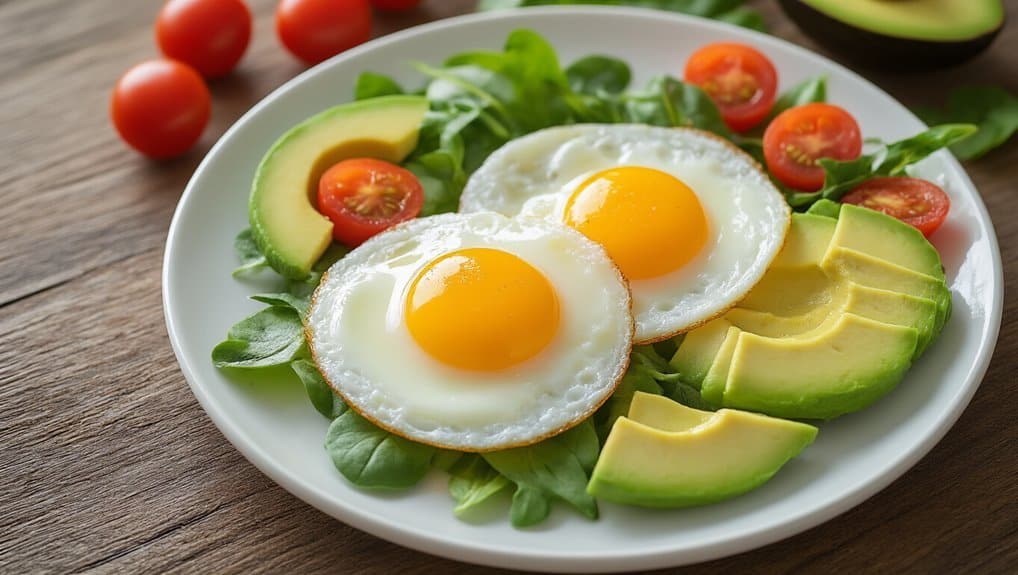
You’ll typically need between 1,500-2,500 calories daily depending on your age, gender, and activity level, making two eggs a modest 3-6% of your total intake.
Most nutrition experts recommend eating up to three whole eggs per day as part of a balanced diet, though you can safely consume more if you’re active and don’t have cholesterol concerns.
For optimal protein absorption, you’re better off spreading your egg consumption throughout the day rather than eating them all at once, especially if you’re building muscle or managing hunger.
Recommended Daily Calories
When it comes to your daily caloric intake, eggs can fit seamlessly into most dietary plans without breaking the calorie bank. Your calorie requirement depends on several factors that influence your daily calorie expenditure:
- Age and gender – Men typically need 2,200-2,800 calories; women need 1,800-2,200
- Activity level – Sedentary adults need fewer calories than active ones
- Body composition – Muscle mass increases metabolic rate
- Health goals – Weight loss requires a deficit; maintenance needs balance
Two eggs represent just 6-8% of a 2,000-calorie diet, making them an efficient protein source. You’ll find they’re particularly valuable for breakfast, providing sustained energy without excessive calories. Whether you’re managing weight or building muscle, incorporating eggs won’t derail your nutritional targets.
Eggs Per Day
Building on your understanding of daily calorie needs, determining how many eggs you can eat per day requires balancing nutritional benefits with dietary guidelines. Most health experts recommend eating 1-3 eggs daily as part of a balanced diet. This amount provides essential proteins and vitamins while staying within your nutrition requirements.
You’ll want to consider your overall cholesterol levels and health conditions when deciding your egg intake. If you’re healthy, you can safely enjoy up to seven eggs weekly. Athletes and active individuals might consume more to meet their protein needs.
When choosing eggs, you’re also supporting sustainable farming practices by selecting pasture-raised or organic options. These choices benefit both your health and the environment while ensuring you’re getting quality nutrition from responsibly sourced eggs.
Protein Timing Strategies
Most nutritionists agree that spreading your protein intake throughout the day maximizes muscle protein synthesis and helps control hunger. When you’re incorporating eggs into your diet, consider these protein timing strategies:
- Morning boost – Eat eggs within 30 minutes of waking to jumpstart metabolism
- Pre-workout fuel – Consume eggs 2-3 hours before exercise for sustained energy
- Post-workout recovery – Have eggs within 45 minutes after training to repair muscles
- Evening satiation – Include eggs at dinner to prevent late-night cravings
Your body’s nutrient timing affects how efficiently it uses protein. By understanding macronutrient composition, you’ll optimize egg consumption throughout the day. Two eggs provide 12-14 grams of complete protein, making them ideal for any meal timing strategy you choose.
Frequently Asked Questions
How Long Can I Store Eggs Before Their Calorie Content Changes?
You can store eggs for weeks without their calorie content changing. The storage duration doesn’t affect the calories – they’ll remain stable whether you keep eggs for one day or several weeks.
Refrigeration impact is minimal on nutritional value; it primarily preserves freshness and safety. While eggs may lose some moisture over time, their caloric value won’t decrease. You’re looking at the same calories in fresh eggs versus properly stored older ones.
Do Organic Eggs Have Different Calories Than Conventional Eggs?
You’ll find organic and conventional eggs have nearly identical calorie counts – about 70-80 calories per large egg. The nutrition content doesn’t significantly differ despite different farming practices.
Organic hens eat organic feed and aren’t given antibiotics, but this doesn’t alter the eggs’ caloric value. You’re mainly paying for production methods rather than calorie differences. Both types provide the same energy, though organic eggs might’ve slightly higher omega-3 levels.
Are There Fewer Calories in Fertilized Eggs Versus Unfertilized Eggs?
You won’t find calorie differences between fertilized and unfertilized eggs. The egg fertilization process doesn’t alter the caloric content – both types contain about 70-80 calories per large egg.
While some claim minor nutritional differences exist in protein or fat composition, these variations are negligible and don’t affect the overall calorie count. Whether you’re eating fertilized or unfertilized eggs, you’re getting essentially the same energy value from your meal.
Do Eggs From Different Bird Species Have Similar Calorie Counts?
No, you’ll find significant calorie differences between bird species’ eggs. Duck eggs pack about 130 calories each, nearly double a chicken egg’s 70 calories.
You’re looking at much smaller portions with quail eggs at just 14 calories per egg. The variation comes from different sizes and fat content. If you’re counting calories, you’ll need to adjust your calculations based on which type you’re eating, since the differences aren’t negligible.
Does the Hen’s Diet Affect the Calorie Content of Eggs?
The hen’s diet doesn’t significantly change the calorie content of eggs you eat, but it does affect their nutrient composition. While you’ll find roughly the same calories whether hens eat standard or enriched feed, the feed quality impacts omega-3 levels, vitamin content, and antioxidants.
You’re getting similar energy from any egg, but pasture-raised or omega-3 enriched eggs offer better nutritional profiles through improved feeding practices.
Conclusion
You’ve learned that two large eggs contain about 140-160 calories, but the exact count depends on size and cooking method. Whether you’re tracking macros or managing your daily caloric intake, eggs offer excellent nutritional value beyond just calories. You’ll get high-quality protein, essential vitamins, and minerals in every serving. Remember that adding butter, oil, or cheese increases the total calories, so adjust your portions based on your dietary goals and needs.


Table of Contents






No Comments