
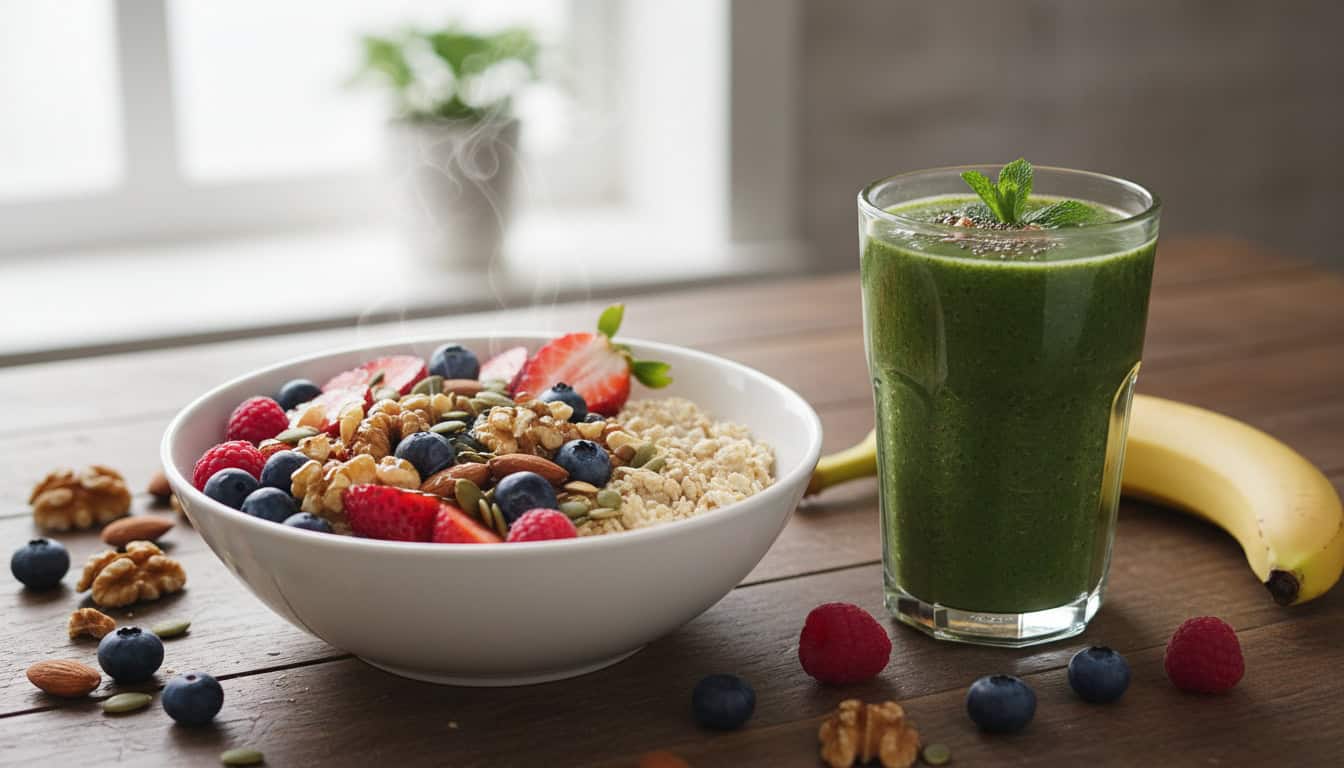
Grab a banana or a slice of white toast with jam 30‑45 minutes before you train for a fast‑acting carb boost, and pair it with 15‑20 g of quick‑digest protein like Greek yogurt, cottage cheese, or a whey shake. Add a splash of water or a pinch of sea salt to hydrate and replace electrolytes. Keep the snack around 150‑200 kcal and low in fat so you won’t feel sluggish, and you’ll get the energy and amino acids you need for a strong session. The next part will show you how to fine‑tune portions and timing for your goals.
Table of Contents
Pre‑Workout Carbs: Quick‑Digest Options for Energy
Looking for a fast‑acting fuel that won’t weigh you down? Reach for quick‑digest carbs that spike blood sugar within minutes, giving muscles the glucose they crave. A banana, an apple, or a handful of dried fruit delivers simple sugars without excess fiber, so you avoid stomach sloshing.
If you prefer something more portable, a slice of white toast topped with jam or a rice cake spread with honey works just as well.
Even a small bowl of oatmeal—prepared with water and a dash of maple syrup—provides a rapid release, yet stays light enough for intense cardio.
Aim for 20‑30 grams of carbs 30‑45 minutes before you start moving; this timing lets insulin peak, ferrying glucose into muscle cells right when you need it.
Pair these carbs with a sip of water to stay hydrated, and you’ll hit the gym feeling energized, not sluggish.
Pre‑Workout Protein: Muscle‑Preserving Choices
Need a protein boost that protects muscle while you power through a workout? Choose fast‑acting, high‑quality proteins that digest quickly and supply amino acids before you start. Greek yogurt, cottage cheese, or a whey protein shake deliver 15‑20 g of protein within 30 minutes, sparking muscle‑protein synthesis without feeling heavy. A small serving of scrambled eggs with a slice of whole‑grain toast adds essential leucine and healthy fats, keeping you satiated yet light.
If you prefer plant‑based options, a soy‑milk smoothie blended with pea‑protein powder and a handful of berries offers a complete amino‑acid profile and antioxidants. Aim for 0.2‑0.3 g of protein per kilogram of body weight pre‑workout; for a 70 kg person, that’s about 14‑21 g. Pair your protein with a modest carb source to boost glycogen, but keep the total portion under 250 kcal to avoid sluggishness. This combo preserves lean tissue, supports recovery, and fuels performance.
Pre‑Workout Hydration Hacks: Fluids & Electrolytes
Ever wonder how a simple sip can turbo‑charge your morning session? Hydration is the invisible engine behind every rep, and the right fluid mix fuels muscles, stabilizes heart rate, and prevents early fatigue. Start with 200‑250 ml of water 15 minutes before you move, then add a pinch of sea salt or a potassium‑rich electrolyte tablet to replace sweat‑lost minerals. If you prefer flavor, sip a diluted coconut‑water blend (1 part coconut water to 3 parts water) for natural electrolytes without excess sugar. For a quick boost, mix ½ tsp honey, a squeeze of lemon, and a pinch of salt into warm water—this “electrolyte tea” spikes glycogen sparingly while keeping you hydrated. Remember to keep a bottle handy during the workout; aim for 100‑150 ml every 15‑20 minutes, adjusting for intensity and climate. Consistent fluid intake preserves performance, sharpens focus, and speeds recovery.
When to Eat? Ideal Timing 30–45 Minutes Before Exercise
Why does timing matter? Your body needs readily available fuel, but it also needs time to digest. Eating 30–45 minutes before you hit the gym strikes a sweet spot: carbs start breaking down, glucose spikes in the bloodstream, and insulin levels rise just enough to shuttle energy to muscles without causing a heavy, sluggish feeling.
Aim for a light snack that blends simple carbs with a modest amount of protein—think a banana with a spoonful of almond butter, a slice of toast topped with avocado, or a small smoothie with berries and Greek yogurt. Keep the portion modest, roughly 150–200 calories, so you avoid gastrointestinal distress. Hydrate as well; a quick sip of water or an electrolyte‑enhanced drink helps transport nutrients. By timing your intake right, you’ll feel energized, maintain steady blood‑sugar levels, and maximize performance throughout your morning session.
Portion Control for Energy Without Slowing Down
How much should you eat to fuel a morning workout without feeling weighed down? Aim for 200–300 kcal, focusing on a 2:1 carbohydrate‑to‑protein ratio. A small banana with a tablespoon of almond butter hits that sweet spot, as does half a cup of oatmeal mixed with a scoop of whey. Keep fats minimal—just enough to sustain satiety—because they digest slowly and can sap early energy.
Portion sizes matter: a palm‑sized serving of carbs, a thumb‑wide scoop of protein, and a fingertip amount of healthy fat keep blood sugar stable and prevent a mid‑session crash. If you’re taller or have a higher metabolic rate, add 50 kcal; if you’re lighter, trim 25 kcal. Track how you feel after each session, then fine‑tune the numbers. Consistency beats perfection; a reliable, modest portion fuels you without slowing you down.
Snack‑Prep in 5 Minutes for Busy Mornings
Need a quick, nutritious bite before you lace up? Grab a handful of rolled oats, a spoonful of almond butter, and a few berries. Mix them in a small bowl, drizzle with honey, and you’ve got a portable energy bar in under five minutes. If you prefer something savory, whisk together a hard‑boiled egg, a slice of whole‑grain toast, and a smear of avocado; it takes just a minute to mash the avocado and spread it. For a dairy‑free option, blend a cup of Greek‑style soy yogurt with a scoop of protein powder and a dash of cinnamon—no blender needed if you shake it in a sealed jar. Keep pre‑portioned containers of nuts, dried fruit, and dark chocolate chips in your fridge; toss a handful into a zip‑top bag while you’re getting dressed. These snacks are balanced, easy to assemble, and won’t slow you down before your workout.
30‑Minute Pre‑Workout Meal Plan Tailored to Your Goal
You’ll pick a macro balance that matches your goal—more carbs for endurance, extra protein for strength, or a mix for weight loss. Eat the meal 30‑45 minutes before you train, keeping the portion size just enough to fuel you without weighing you down. Adjust the ingredients and timing each day to stay aligned with your performance targets.
Goal‑Specific Macro Balance
Ever wondered which nutrients will fuel your specific training goal in just a minute? If you’re building muscle, aim for a 3:1 ratio of carbs to protein—think a banana with a scoop of whey. For endurance, flip the ratio to 2:1, favoring carbs like a slice of toast with honey and a small egg. When weight loss is the target, keep protein high and carbs modest—Greek yogurt with berries delivers a 4:1 protein‑to‑carb balance. Strength‑focused sessions benefit from a quick dose of fast‑acting carbs plus a modest protein hit, such as a rice cake topped with almond butter. Adjust the macro split to match your goal, and you’ll hit the gym with the right fuel without over‑eating.
Timing & Portion Guidance
Wondering how to time and size your pre‑workout snack for optimal performance? Aim to eat 30–45 minutes before you start moving if you need quick energy, or 90–120 minutes ahead for a fuller meal that fuels endurance.
For a 30‑minute window, keep carbs under 20 g and protein around 5–10 g—think a banana with a spoonful of almond butter or a rice cake topped with cottage cheese.
In the longer window, combine 40–60 g carbs with 15–20 g protein and a dash of healthy fat—like oatmeal with berries, Greek yogurt, and a sprinkle of walnuts.
Adjust portions to your body weight; roughly 0.5 g carbs per kilogram for short sessions, and 1 g per kilogram for longer workouts.
Hydrate with 200–300 ml water, and you’ll hit the gym ready to power through.
Frequently Asked Questions
Can I Eat Fruit Right Before a High‑Intensity Interval Workout?
Yes, you can eat fruit right before a HIIT session—opt for a small, easily digestible portion like a banana or berries, which give quick carbs without weighing you down.
Should I Avoid Dairy Before a Morning Cardio Session?
You should generally avoid dairy before morning cardio because it can cause sluggishness and stomach discomfort. Instead, opt for easily digestible carbs and a bit of protein to keep energy steady and digestion smooth.
How Does Caffeine Affect Pre‑Workout Nutrition Timing?
You’ll feel caffeine spikes energy within 30‑45 minutes, so schedule it about half an hour before you eat. It speeds metabolism, improves focus, and can delay hunger, letting you train harder before your next meal.
What’s the Best Pre‑Workout Snack for a Vegan Athlete?
You’ll love a banana‑almond butter toast topped with chia seeds; it gives quick carbs, protein, and omega‑3s, keeping energy steady while staying fully vegan and easy to digest.
Is It Okay to Train on an Empty Stomach if I’M Fasting?
You can train on an empty stomach while fasting, but expect lower energy, possible dizziness, and reduced performance; listen to your body, stay hydrated, and consider a light, nutrient‑dense snack if needed.
Conclusion
You’ve got the right mix—quick carbs for instant fuel, protein to protect muscle, and hydration to keep you sharp. Eat it 30‑45 minutes ahead, keep portions modest, and prep in minutes so nothing slows you down. Whether you’re aiming for strength, endurance, or weight loss, this simple routine fuels performance and helps you crush every morning workout.


Sorry, the comment form is closed at this time.