
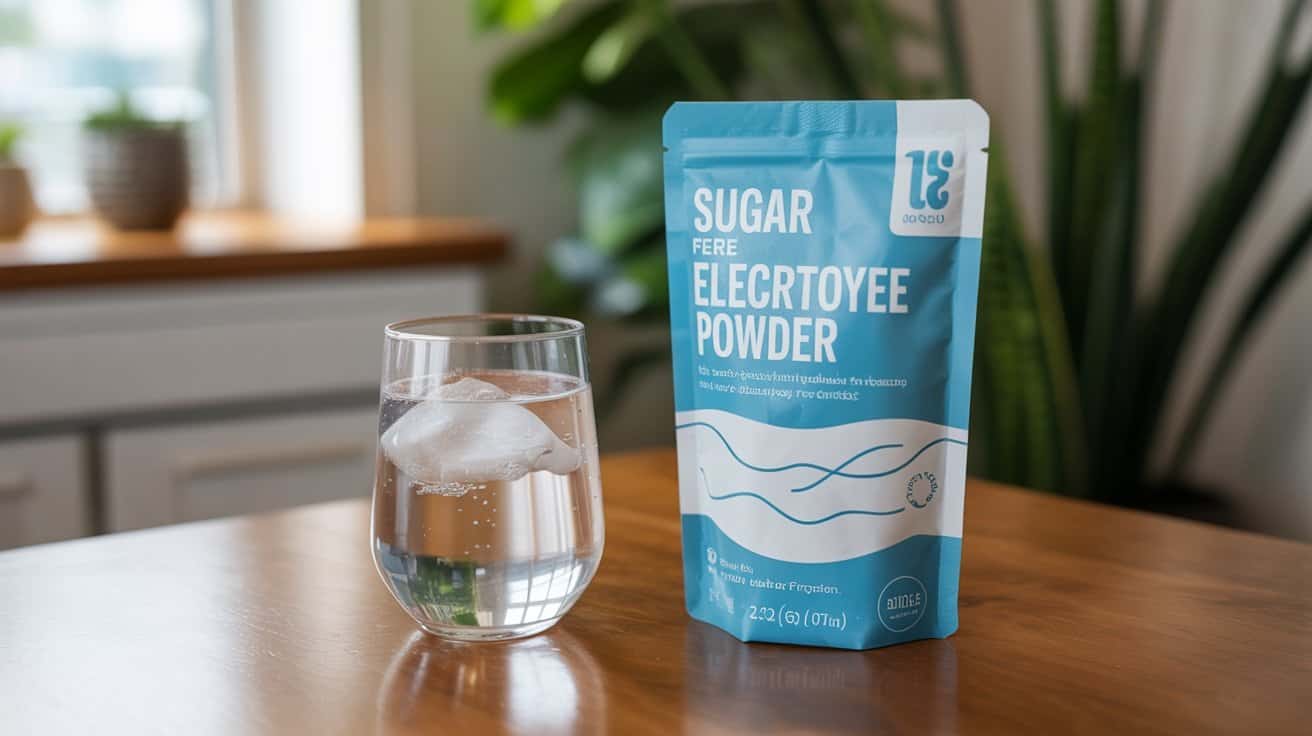
Sugar-free electrolyte powders replace traditional sugars with alternatives like stevia, monk fruit, or erythritol while providing essential minerals—sodium for fluid balance, potassium for heart function, and magnesium for muscle recovery. You’ll get the same hydration benefits without unnecessary calories, making them perfect if you’re managing diabetes, following keto, or reducing caloric intake. Mix one scoop in 16-20 ounces of water and shake vigorously for best results. Discover which brands, dosages, and mixing techniques work best for your specific needs.
Key Takeaways
- Sugar-free electrolyte powders replace traditional sugars with alternatives like stevia, monk fruit, sucralose, or erythritol to provide zero-calorie hydration.
- Essential minerals sodium (200-500mg), potassium, and magnesium replenish electrolytes lost through sweat without adding carbohydrates or calories.
- Mix one scoop in 16-20 ounces of water, consuming 1-3 servings daily based on activity level and hydration needs.
- Look for third-party certifications like NSF or Informed Sport, and products that dissolve completely within 30 seconds of mixing.
- Popular brands include LMNT ($1.50/serving, high sodium), Ultima Replenisher ($0.60/serving, trace minerals), and Nuun Sport (convenient tablets).
What Makes Electrolyte Powders Sugar Free
When you’re examining electrolyte powders labeled as sugar-free, you’ll find they achieve this status by replacing traditional sugars with alternative sweeteners or by using no sweeteners at all.
These products typically contain artificial sweeteners like sucralose or aspartame, or natural alternatives such as stevia and monk fruit extract. You’ll notice manufacturers combine these sweeteners with natural flavorings to enhance taste without adding calories.
The metabolic impact differs significantly from sugar-containing versions. While regular sugar causes blood glucose spikes, sugar-free alternatives don’t trigger the same insulin response. You’re getting essential minerals like sodium, potassium, and magnesium without the added carbohydrates.
Some brands rely solely on citric acid and natural flavorings for taste, avoiding sweeteners entirely. These formulations appeal to people managing diabetes, following ketogenic diets, or reducing caloric intake. The absence of sugar doesn’t compromise the powder’s primary function—replenishing electrolytes lost through sweat, illness, or physical activity.
Key Benefits of Choosing Sugar Free Options
Often, you’ll discover that sugar-free electrolyte powders deliver distinct advantages beyond simple calorie reduction.
They won’t spike your blood sugar levels, making them ideal if you’re managing diabetes or following a ketogenic diet.
You’ll maintain steady energy throughout your workout without experiencing the crash that typically follows sugary drinks.
Your oral microbiome benefits significantly from avoiding sugar.
You’re reducing the fuel source for harmful bacteria that cause tooth decay and gum disease.


This means better dental health and fresher breath during intense training sessions.
You’ll also experience improved hydration efficiency.
Without sugar competing for absorption, electrolytes enter your bloodstream faster.
This translates to quicker recovery times and better performance during endurance activities.
If you’re intermittent fasting, sugar-free options won’t break your fast while still providing essential minerals.
You’ll maintain metabolic flexibility and fat-burning states while staying properly hydrated.
These powders offer the electrolyte replenishment you need without compromising your health goals.
Essential Minerals and Their Functions in Your Body
Your body relies on three essential minerals to maintain peak performance during physical activity. Sodium regulates your fluid balance by controlling how much water your cells retain, while potassium supports your heart function by helping maintain a steady heartbeat and proper muscle contractions.
Magnesium rounds out this vital trio by aiding muscle recovery and reducing cramping after you’ve pushed yourself hard.
Sodium Regulates Fluid Balance
Balance in your body’s fluid levels depends heavily on sodium, the electrolyte that acts as a gatekeeper for water movement between cells. When you consume sodium, it helps maintain fluid equilibrium by controlling how much water your cells retain or release. This mineral works with your kidneys to achieve proper volume regulation throughout your tissues and bloodstream.
You’ll notice sodium’s impact when you’re dehydrated or overhydrated. Too little sodium causes water to flood your cells, leading to swelling and fatigue. Too much pulls water from cells, triggering thirst and concentrated urine. Your body constantly adjusts sodium levels to keep fluids balanced. That’s why you need consistent sodium intake through food or sugar-free electrolyte powder, especially after sweating during exercise or experiencing fluid loss from illness.
Potassium Supports Heart Function
Rhythm defines your heart’s ability to pump blood, and potassium serves as the conductor orchestrating each beat. You’ll find this mineral working inside every cardiac muscle cell, creating electrical signals that trigger contractions. When potassium levels drop, your cardiac rhythm becomes irregular, potentially causing palpitations or dangerous arrhythmias.
Your heart’s myocardial metabolism depends on potassium to convert nutrients into energy. This process powers each heartbeat, maintaining consistent blood flow throughout your body. Potassium also works with sodium to regulate blood pressure by relaxing blood vessel walls.
You’re losing potassium constantly through sweat and urine, especially during exercise. That’s why sugar-free electrolyte powder becomes essential – it replenishes potassium without unnecessary calories, keeping your heart functioning optimally while supporting your fitness goals.
Magnesium Aids Muscle Recovery
While potassium keeps your heart beating steadily, magnesium targets the muscles throughout your body that need repair after physical activity.
You’ll find that magnesium plays a crucial role in muscle relaxation after contractions, preventing cramps and reducing soreness. It’s essential for proper neuromuscular signaling, ensuring your brain’s commands reach muscle fibers efficiently.
When you’re deficient in magnesium, you’ll experience prolonged muscle tension, painful spasms, and slower recovery times. Your body uses this mineral to synthesize proteins needed for muscle repair and to regulate calcium movement within muscle cells.
During intense workouts, you lose magnesium through sweat, making replenishment vital. Sugar-free electrolyte powder provides an efficient way to restore magnesium levels without unnecessary calories, helping you bounce back faster from training sessions.
How to Choose the Right Sugar Free Electrolyte Powder
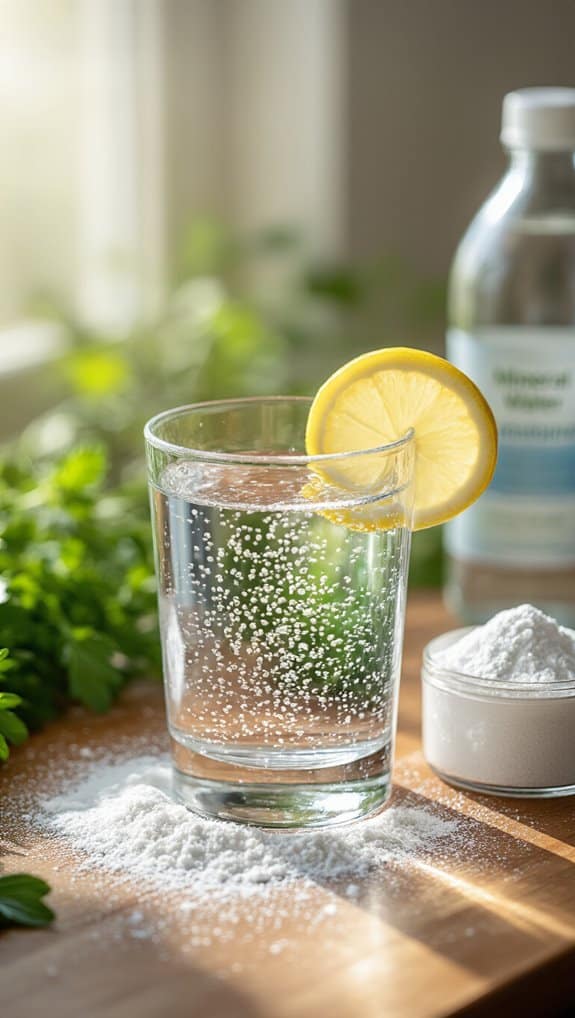
When you’re shopping for sugar-free electrolyte powder, you’ll need to consider several key factors to find the right match for your needs. Start by examining the electrolyte profile and ratios. You’ll want balanced sodium, potassium, and magnesium levels that align with your activity level.
| Factor | What to Look For |
|---|---|
| Sweeteners | Stevia, monk fruit, erythritol |
| Sodium Content | 200-500mg per serving |
| Third-Party Testing | NSF or Informed Sport certified |
| Dissolve Rate | Complete mixing in 30 seconds |
| Cost Per Serving | $0.30-$1.00 range |
Consider tasting profiles carefully since you’ll drink this regularly. Look for brands offering sample packs before committing to larger quantities. Check packaging sustainability too—many companies now use recyclable containers or compostable pouches.
Don’t overlook additional ingredients like B vitamins or trace minerals. Read reviews focusing on mixability and aftertaste issues. Compare sodium-to-potassium ratios, especially if you’re addressing specific health concerns or following medical guidance.
Best Times to Use Sugar Free Electrolyte Supplements
Since timing your electrolyte intake can significantly impact its effectiveness, you’ll want to strategically plan when to use your sugar-free powder throughout the day.
Mix your first serving upon waking to replenish minerals lost during overnight rehydration and kickstart your metabolism. You’ll notice improved mental clarity and reduced morning grogginess.
For a pre workout boost, consume electrolytes 20-30 minutes before exercise. This timing ensures optimal hydration levels and prevents cramping during intense training sessions. You’re preparing your muscles for peak performance while maintaining proper fluid balance.
Post-workout represents another critical window. Within 30 minutes of finishing exercise, you’ll need to replace lost minerals through sweat. This accelerates recovery and reduces muscle soreness.
Consider additional servings during hot weather, illness, or after alcohol consumption. If you’re experiencing headaches, fatigue, or muscle cramps, these symptoms often signal electrolyte depletion requiring immediate supplementation.
Common Sweeteners Used in Sugar Free Formulas
Most sugar-free electrolyte powders rely on artificial or natural zero-calorie sweeteners to deliver a palatable taste without adding carbohydrates or calories. You’ll commonly find sucralose and aspartame in mainstream brands, offering sweetness without the blood sugar spike. These artificial options dissolve easily and won’t leave a gritty texture in your drink.
Natural alternatives like stevia extracts have gained popularity among health-conscious consumers. You might notice stevia’s slightly bitter aftertaste, but manufacturers often blend it with other sweeteners to mask this characteristic. Sugar alcohols, including erythritol and xylitol, provide another option that’s particularly gentle on your digestive system when consumed in moderate amounts.
Some formulas combine multiple sweeteners to achieve optimal taste and minimize aftertaste. You’ll find monk fruit extract paired with stevia or erythritol mixed with sucralose. These combinations help create a more balanced flavor profile that closely mimics sugar’s taste without the calories.
Mixing and Dosage Guidelines for Optimal Results
Getting the most from your sugar-free electrolyte powder starts with understanding how to mix and dose it correctly.
You’ll need to master the right water-to-powder ratio and stirring technique to avoid clumps and ensure complete dissolution.
Following proper daily dosage recommendations will help you maintain optimal hydration without overdoing your electrolyte intake.
Proper Mixing Techniques
Breaking down the mixing process into simple steps ensures you’ll get the most from your sugar-free electrolyte powder every time. You’ll achieve better dissolution by controlling your stirring tempo and understanding temperature effects on powder solubility.
| Water Temperature | Stirring Tempo | Dissolution Time |
|---|---|---|
| Cold (40°F) | Fast (120 rpm) | 45-60 seconds |
| Cool (60°F) | Moderate (80 rpm) | 30-40 seconds |
| Room (72°F) | Moderate (80 rpm) | 20-30 seconds |
| Warm (90°F) | Slow (40 rpm) | 15-20 seconds |
| Hot (110°F) | Slow (40 rpm) | 10-15 seconds |
Start with room temperature water for optimal results. Add powder before liquid to prevent clumping. Use a shaker bottle or whisk vigorously for 30 seconds. Let the mixture rest for one minute, then shake again briefly. You’ll notice complete dissolution when no particles remain visible.
Daily Dosage Recommendations
Generally, you’ll need between one and three servings of sugar-free electrolyte powder daily, depending on your activity level and hydration needs. For light exercise or everyday hydration, one serving suffices. During intense workouts or hot weather, you’ll benefit from two to three servings spread throughout the day.
Portion control matters when measuring your powder. Don’t exceed the recommended serving size listed on your product’s label, as excessive electrolytes can cause digestive discomfort or mineral imbalances. Most powders require one scoop per 16-20 ounces of water.
Your timing strategies should align with your body’s needs. Take one serving upon waking to jumpstart hydration. If you’re exercising, consume another serving 30 minutes before your workout and one immediately after. Space additional servings at least two hours apart for optimal absorption.
Popular Brands and Product Comparisons
When you’re shopping for sugar free electrolyte powder, you’ll encounter dozens of brands claiming superiority, but only a handful consistently deliver on quality, taste, and value. Leading brand comparisons reveal that LMNT, Ultima Replenisher, and Nuun Sport dominate the market with distinct advantages.
LMNT offers the highest sodium content at 1,000mg per serving, while Ultima provides comprehensive mineral profiles with trace elements. Nuun’s tablets dissolve quickly and travel conveniently.
Your flavor preferences will determine satisfaction levels. LMNT’s citrus salt and raspberry combinations appeal to those wanting bold tastes. Ultima’s grape and orange flavors taste natural without artificial sweeteners. Nuun’s tropical and berry options provide subtle, refreshing notes.

Price points vary significantly—LMNT costs $1.50 per serving, Ultima runs $0.60, and Nuun averages $0.75. You’ll find LMNT works best for intense workouts, Ultima suits daily hydration, and Nuun excels for on-the-go convenience. Consider your specific needs when selecting between these top performers.
Potential Side Effects and Precautions to Consider
Although sugar free electrolyte powders offer numerous hydration benefits, you’ll need to watch for potential digestive issues that affect 15-20% of users. You might experience bloating, gas, or diarrhea from artificial sweeteners like sorbitol or erythritol. Start with half the recommended dose to assess your tolerance.
| Side Effect | Prevention Strategy |
|---|---|
| Stomach upset | Take with food |
| Headaches | Reduce serving size |
| Muscle cramps | Check potassium levels |
| Nausea | Dilute concentration |
Allergy considerations include checking for citrus derivatives, natural flavors, and stevia compounds that can trigger reactions. You’re particularly vulnerable if you have sensitivities to food dyes or preservatives.
Medication interactions pose serious risks. Don’t mix electrolyte powders with blood pressure medications, diuretics, or heart medications without consulting your doctor. The high potassium and sodium content can interfere with drug effectiveness. If you’re diabetic, monitor blood sugar closely since sugar alcohols can affect glucose levels.
Making Your Own Sugar Free Electrolyte Mix at Home
You can create your own sugar-free electrolyte mix at home by combining the right minerals in specific ratios that match your body’s needs.
You’ll need just a few simple ingredients and basic kitchen tools to prepare a batch that rivals commercial products at a fraction of the cost.
Once you’ve mastered the recipe, you’ll want to know the best containers and conditions for storing your homemade mix to maintain its potency.
Essential Mineral Ratios
Creating an effective sugar-free electrolyte mix requires precise mineral ratios to match what your body loses through sweat and daily activities. You’ll need approximately 300-400mg sodium, 150-200mg potassium, and 50-60mg magnesium per serving for optimal electrolyte bioavailability.
The key lies in understanding mineral synergy – how these elements work together. Sodium and potassium maintain cellular fluid balance at a 2:1 ratio, while magnesium enhances absorption of both. You shouldn’t exceed 1,000mg total minerals per serving, as this can cause digestive upset.
Start with ¼ teaspoon salt (sodium chloride), ⅛ teaspoon potassium chloride, and a pinch of magnesium citrate powder. Adjust ratios based on your activity level and sweat rate. Athletes may need higher sodium content, while everyday hydration requires less concentrated formulas.
DIY Recipe Steps
Now that you’ve determined the proper mineral ratios for your needs, making your own sugar-free electrolyte powder takes just minutes with basic kitchen equipment. You’ll need a mixing bowl, measuring spoons, and a whisk or fork.
Start by measuring your base minerals: sodium chloride, potassium chloride, and magnesium citrate. Add them to your bowl and mix thoroughly, breaking up any clumps. For flavor experiments, try adding citric acid for tartness, stevia for sweetness, or freeze-dried fruit powder for natural taste without sugar. Mix each addition completely before tasting.
Once you’re satisfied with the blend, transfer it to your chosen packaging options. Glass jars work best for long-term storage, while small plastic containers make convenient travel portions. Label each container with the date and ingredient ratios for future reference.
Storage and Shelf Life
Once your homemade electrolyte powder is mixed and packaged, proper storage becomes essential for maintaining its potency and preventing moisture absorption.
You’ll want to use airtight opaque containers that protect the powder from light and air exposure. Glass jars with rubber seals work perfectly, though BPA-free plastic containers are acceptable alternatives.
Store your mixture in a cool, dry place away from ambient humidity. Kitchen cupboards away from the stove or dishwasher are ideal spots.
If you live in a humid climate, add a food-grade silica gel packet to absorb excess moisture.
Your properly stored electrolyte powder will maintain its effectiveness for six to twelve months. Check periodically for clumping or discoloration, which indicates moisture contamination.
Label containers with the mixing date to track freshness.
Frequently Asked Questions
Can Sugar Free Electrolyte Powder Break a Fast?
You won’t break your fast with sugar-free electrolyte powder in most cases. Since it contains zero calories and no sugar, it shouldn’t trigger an insulin response that would interrupt fat burning. The minerals won’t affect your autophagy impact either, as they don’t activate mTOR pathways.

You’ll actually benefit from maintaining electrolyte balance during fasting, which can prevent headaches and fatigue. Just check the label for hidden sweeteners or calories.
Is Sugar Free Electrolyte Powder Safe During Pregnancy?
You’ll generally find sugar-free electrolyte powder safe during pregnancy, but you should check with your healthcare provider first.
These powders can support pregnancy hydration needs, especially if you’re experiencing morning sickness or increased fluid requirements.
Most brands prioritize fetal safety by avoiding harmful artificial sweeteners like saccharin.
Look for products with simple ingredients, avoid excessive caffeine or herbal additives, and stick to recommended serving sizes for optimal safety.
Do Sugar Free Electrolyte Powders Expire?
Yes, they’ll expire – check your package for the date. Electrolyte stability decreases over time, even in powder form. You’ll notice clumping, color changes, or reduced effectiveness past expiration.
Storage conditions matter significantly – keep your powder in a cool, dry place away from humidity and sunlight. While expired powder won’t necessarily harm you, it’ll lose potency and might taste off. Most last 1-2 years when stored properly.
Can Diabetics Safely Use Sugar Free Electrolyte Powder?
You can safely use sugar-free electrolyte powder if you have diabetes, as it won’t spike your blood sugar levels.
These powders typically contain artificial sweeteners or sugar alcohols that don’t trigger an insulin response like regular sugar does.
They’re actually beneficial for managing hydration without affecting glucose control.
Always check the label for hidden carbs and monitor how your body responds, since individual reactions to sweeteners can vary.
Will Sugar-Free Electrolyte Powder Help With Hangovers?
Yes, you’ll find that sugar-free electrolyte powder helps with hangovers by replacing minerals lost through alcohol’s diuretic effects.
Your rehydration strategies should include drinking it before bed and upon waking.
When making ingredient comparisons, you’ll notice sugar-free versions contain sodium, potassium, and magnesium without added calories that could worsen nausea.
They’re equally effective as regular versions for hangover recovery while being gentler on your already-upset stomach.
Conclusion
You’ve learned how sugar-free electrolyte powders can support your hydration without unnecessary calories. Whether you’re choosing a commercial brand or making your own mix, you’ll maintain proper mineral balance while avoiding blood sugar spikes. Remember to follow dosage guidelines and watch for any side effects. By incorporating these supplements at the right times—during workouts, illness, or hot weather—you’ll optimize your body’s performance and recovery. Start small, adjust as needed, and stay consistently hydrated.


Table of Contents






No Comments