
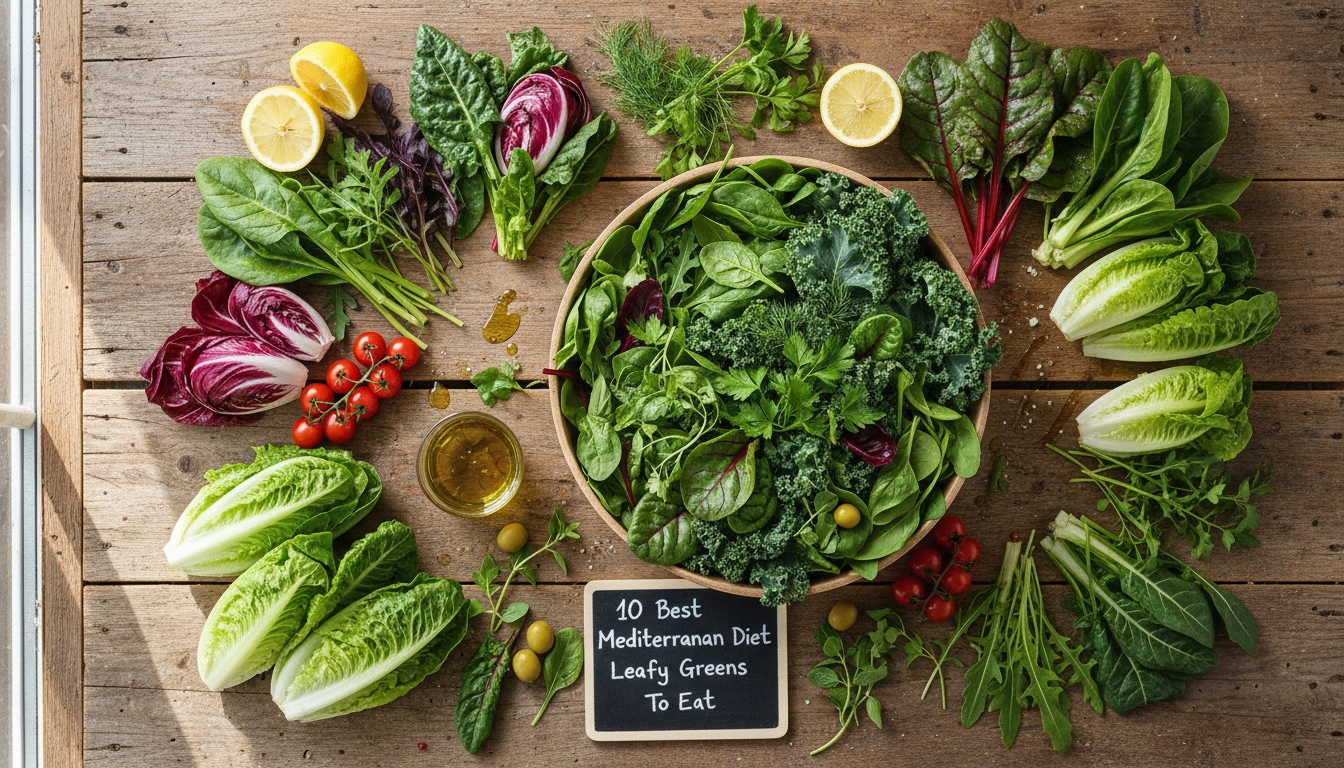
10 Best Mediterranean Diet Leafy Greens To Eat
You’ll boost heart health, bone strength, and digestion by loading your meals with spinach, kale, arugula, Swiss chard, dandelion greens, beet greens, watercress, mizuna, collard greens, and beetroot greens, all rich in antioxidants, fiber, vitamin K, and potassium. These Mediterranean staples lower inflammation, support blood clotting, and keep blood pressure in check while adding vibrant flavor to salads, sautéed sides, and grain bowls. Keep exploring to discover how each green shines in classic recipes.
Why Mediterranean Greens Matter for Health
Why do Mediterranean greens matter for health? You’ll find they pack antioxidants, fiber, and polyphenols that lower inflammation and protect cells. Their vitamin K content supports bone density and blood clotting, while folate aids DNA synthesis and reduces homocysteine, a heart‑disease risk factor. When you eat leafy varieties like arugula, kale, and Swiss chard, you boost gut microbiota diversity, which improves digestion and immune function. These greens also provide potassium, helping balance blood pressure and counteract sodium’s effects. Their low calorie density lets you fill up without excess energy, aiding weight management. Moreover, the phytonutrients in Mediterranean greens have been linked to reduced risk of chronic conditions such as type 2 diabetes and certain cancers. By incorporating them daily, you harness a natural, nutrient‑dense tool that supports cardiovascular health, metabolic stability, and overall longevity.
Spinach: Nutrient‑Dense Powerhouse for Mediterranean Meals
A handful of fresh spinach can instantly boost any Mediterranean dish with a powerhouse of nutrients. You’ll love how quickly it wilts into salads, sautés, or soups, delivering iron, calcium, and vitamins A, C, K in every bite. Its mild flavor pairs perfectly with olive oil, lemon, garlic, and feta, letting you create vibrant, heart‑healthy plates without extra effort. Spinach also supplies antioxidants like lutein, protecting your eyes while supporting the diet’s anti‑inflammatory goals. Because it cooks fast, you can toss it into a pan at the last minute, preserving its bright green color and crisp texture. Use it as a base for grain bowls, fold it into stuffed grape leaves, or blend it into hummus for an extra nutrient kick.
| Nutrient | Approx. Amount per 100 g |
|---|---|
| Iron | 2.7 mg |
| Vitamin K | 483 µg |
| Calcium | 99 mg |
Kale: Sturdy Green That Fits Classic Mediterranean Dishes
Kale’s hearty, slightly bitter leaves make it a perfect match for classic Mediterranean staples like grilled fish, olive‑oil‑dressed salads, and rustic bean stews.
You’ll find that a quick sauté with garlic and a splash of lemon juice turns kale into a tender side that balances rich lamb or seafood.
Its sturdy texture holds up well in slow‑cooked dishes, so you can toss chopped stems into a tomato‑based lentil stew without worrying about mushiness.
When you blend kale with feta, olives, and a drizzle of extra‑virgin olive oil, you get a robust salad that stays crisp even after dressing.
The leaf’s natural bitterness pairs nicely with sweet roasted peppers or caramelized onions, creating depth in every bite.
Nutrient‑wise, kale supplies calcium, vitamin K, and antioxidants that complement the heart‑healthy fats of the diet, making it a versatile, nutrient‑dense addition to your Mediterranean kitchen.
Arugula: Peppery Antioxidant Boost for Summer Salads
You’ll love arugula’s spicy bite, which instantly livens up any summer salad. Its high vitamin K content supports bone health while delivering a powerful antioxidant boost. Toss it with fresh tomatoes, olives, and a squeeze of lemon for a quick, Mediterranean‑inspired side.
Spicy Flavor Profile
Ever wonder how a handful of arugula can turn a summer salad into a peppery powerhouse? You’ll notice its bite instantly—sharp, almost mustard‑like, that awakens the palate. That zing isn’t just flavor; it’s a natural stimulant that makes every forkful feel lively. When you pair arugula with citrus, cheese, or nuts, the heat balances sweet and creamy notes, creating a dynamic taste dance. The peppery edge also masks bland ingredients, encouraging you to experiment with bold dressings and exotic spices without overwhelming the dish.
- Add a splash of lemon‑olive oil to amplify the sting.
- Toss in toasted pine nuts for crunch and subtle sweetness.
- Sprinkle feta or goat cheese to mellow the heat.
- Finish with a pinch of smoked paprika for an extra smoky kick.
Rich Vitamin K Content
Why does arugula shine in summer salads? Its bright, peppery bite pairs perfectly with warm weather, but its real star power lies in vitamin K. One cup delivers roughly 45 µg, covering about 55 % of your daily requirement.
This nutrient drives the carboxylation of clotting factors, supporting healthy blood coagulation, and it activates proteins that bind calcium to bone matrix, enhancing skeletal strength.
You’ll also notice a subtle antioxidant effect: vitamin K works with vitamin E and flavonoids to neutralize free radicals, protecting cells from oxidative stress.
When you toss arugula into a salad, you’re not just adding flavor—you’re loading your plate with a nutrient that promotes bone health, cardiovascular function, and overall cellular resilience.
Quick Summer Salad Ideas
What’s the secret to a refreshing summer bite that packs both flavor and antioxidant power? You’ll find it in arugula’s peppery bite, which lifts any quick salad while delivering a potent dose of anti‑inflammatory compounds. Pair it with bright, seasonal produce and simple dressings, and you’ve got a nutrient‑dense, palate‑pleasing dish ready in minutes. The key is balancing textures and flavors so each forkful feels light yet satisfying, perfect for hot days when you crave freshness without heavy cooking.
- Toss arugula with sliced cucumber, cherry tomatoes, and toasted pine nuts; drizzle lemon‑olive oil vinaigrette.
- Mix arugula, watermelon cubes, feta crumbles, and a splash of balsamic reduction.
- Combine arugula, grilled peach slices, prosciutto, and a drizzle of honey‑mustard dressing.
- Layer arugula, quinoa, roasted red pepper, and a dollop of hummus; finish with a sprinkle of za’atar.
Swiss Chard: Colorful Mineral Balance in Mediterranean Cooking
Swiss chard brings a burst of color and a rich mix of minerals to Mediterranean dishes, turning simple sautés or stews into vibrant, nutrient‑dense meals. You’ll notice its deep green stems and bright red veins adding visual appeal while delivering calcium, magnesium, potassium, and iron. Toss chopped leaves with garlic, olive oil, and a splash of lemon juice for a quick side that balances the richness of grilled fish or lamb. The stems, sliced thin, crisp up nicely when sautéed, giving a satisfying bite and extra fiber. Pair chard with tomatoes, olives, and feta for a Mediterranean-inspired frittata, or fold it into a lentil soup to boost mineral content without overpowering flavor. Because the leafy tops wilt fast, add them at the end of cooking to preserve nutrients and texture. Enjoy the mineral harmony chardard delivers, and your meals will feel both wholesome and colorful.
Collard Greens: Slow‑Cooked Rustic Greens for Mediterranean Stews
Ever wondered how a humble, sturdy leaf can turn a simple broth into a heart‑warming Mediterranean stew? Collard greens bring a deep, earthy flavor that stands up to long simmering, making them perfect for rustic dishes. Their thick veins hold broth, releasing nutrients and a subtle bitterness that balances tomatoes, olives, and lemon. When you add them to a stew, they soften without losing texture, creating a satisfying bite that anchors the dish. Pair them with garlic, cumin, and a splash of red wine for an authentic taste of the Mediterranean coast.
- Nutrient boost: high in vitamin K, calcium, and fiber.
- Flavor profile: earthy, slightly bitter, and robust.
- Cooking tip: remove stems, chop leaves, and simmer 30‑40 minutes.
- Pairings: chickpeas, lentils, tomatoes, and smoked paprika.
Dandelion Greens: Bitter Boost for Traditional Greek Salads
Curious how a single bitter leaf can transform a simple salad into a classic Greek masterpiece? You’ll find dandelion greens perfect for that role. Their peppery bite cuts through ripe tomatoes, crisp cucumbers, and salty feta, creating balance reminiscent of a seaside taverna. Toss the greens lightly with extra‑virgin olive oil, lemon juice, and a pinch of sea salt; the acidity softens the bitterness while preserving its character. Add a handful of Kalamata olives and a sprinkle of oregano for authentic flair. The nutrients are impressive: vitamin K, A, and C surge, while antioxidants support heart health. Because the leaves are tender when young, aim for spring harvests; older stalks become overly woody. Serve the salad chilled, letting the flavors meld for a few minutes before plating. This simple, bitter‑boosted dish showcases Mediterranean simplicity and lets you experience a timeless Greek tradition in every bite.
Beet Greens: Sweet‑Earthy Nutrients for Mediterranean Sides
You’ll love how nutrient‑rich beet greens add a sweet‑earthy punch to any side.
A quick Mediterranean sauté with garlic and olive oil brings out their natural flavor in minutes.
Pair them with a drizzle of extra‑virgin olive oil for a simple, heart‑healthy finish.
Nutrient‑Rich Beet Greens
Three‑to‑four cups of beet greens can transform a simple Mediterranean side into a powerhouse of sweet‑earthy flavor and nutrition. You’ll notice their deep, slightly bitter edge balances tomatoes, olives, and feta, while the tender stems add a subtle crunch. These greens pack iron, calcium, and vitamin K, supporting bone health and blood oxygenation. Their antioxidants—beta‑carotene and lutein—combat inflammation, making them perfect for heart‑friendly meals. Pair them with lemon‑olive oil drizzle for a bright, refreshing finish that highlights their natural sweetness.
- Rich source of folate for cellular repair
- High potassium content aids blood‑pressure control
- Contains phytonutrients that support eye health
- Low‑calorie, high‑fiber profile promotes satiety
Quick Mediterranean Sauté
A quick Mediterranean sauté turns beet greens into a vibrant side that delivers sweet‑earthy flavor and a punch of nutrients. You’ll heat olive oil in a skillet, add minced garlic and red‑pepper flakes, then toss in the chopped greens. Stir constantly for three to four minutes until they wilt, brightening in color and softening slightly. Finish with a squeeze of lemon, a pinch of sea salt, and a handful of toasted pine nuts for crunch. The garlic and pepper give a subtle heat, while the lemon lifts the earthiness, creating a balanced bite. Serve the sauté warm alongside grilled fish, roasted vegetables, or a simple quinoa salad for a wholesome Mediterranean meal.
Pairing With Olive Oil
Why does olive oil make beet greens shine? The bright, peppery notes of extra‑virgin olive oil lift the earthy sweetness of beet tops, turning a simple side into a star. When you drizzle warm oil over sautéed greens, the fat carries fat‑soluble vitamins A and K straight to your cells, while the oil’s antioxidants protect the delicate pigments. The result is a glossy, aromatic dish that feels both rustic and refined—exactly what Mediterranean cuisine celebrates.
- Toss greens with a splash of oil, lemon zest, and a pinch of sea salt for a quick, vibrant side.
- Finish with toasted pine nuts for crunch and a hint of piney flavor.
- Add a drizzle of aged balsamic to deepen sweetness and balance bitterness.
- Sprinkle fresh oregano or mint for herbaceous brightness.
Watercress: Crunchy Vitamin‑Rich Add‑On for Mezze Plates
Ever tried sprinkling fresh watercress over your mezze? Its peppery bite and bright green hue instantly lift hummus, baba g oush, and cheese spreads. You’ll love how the tiny leaves crunch under the fork, delivering a burst of vitamin K, C, and A, plus calcium and iron, all while keeping calories low. Toss a handful with lemon‑juice‑drizzled olives, cherry tomatoes, and a drizzle of extra‑virgin olive oil for a balanced bite that supports heart health and bone strength. Watercress thrives in cool, shallow water, so you can find it at farmers’ markets or grow it in a small kitchen tray—no fuss, no waste. When you add it to your mezze platter, you’re not just adding flavor; you’re boosting antioxidants that combat inflammation and improve immune function. Keep the stems tender, rinse well, and enjoy the fresh, slightly spicy lift that makes every Mediterranean gathering feel brighter and healthier.
Mizuna: Mediterranean‑Style Peppery Green for Fresh Recipes
You’ll notice mizuna’s peppery bite brightens any Mediterranean dish, and it holds up well when tossed briefly in a hot pan. Its thin leaves cook in just a minute, preserving crunch while releasing a subtle heat. Pair it with olive oil, lemon, and garlic for a quick, flavorful side.
Peppery Flavor Profile
Ever wondered how a single leaf can transform a dish with a bright, peppery snap? Mizuna’s flavor hits you with a clean, mustard‑like heat that’s less aggressive than arugula but more nuanced than spinach. You’ll notice a subtle citrus edge that lifts salads, soups, and grain bowls, while the gentle sting awakens your palate without overwhelming other ingredients.
This peppery profile pairs perfectly with olive oil, lemon, and toasted nuts, creating a balanced Mediterranean bite. Use it raw for maximum crunch or lightly wilt it to tame the bite while preserving its aromatic punch.
- Sharp, mustard‑like heat
- Light citrus undertone
- Gentle sting that brightens dishes
- Works well with olive oil, lemon, and nuts
Quick Cooking Techniques
Mizuna’s bright, peppery snap shines when you give it a quick sauté or flash‑blanch, locking in flavor while softening the bite just enough for salads, pastas, or grain bowls. Heat a skillet, add a splash of olive oil, and toss the leaves for 30‑45 seconds; season with sea salt, lemon zest, and a pinch of crushed red pepper. For flash‑blanching, plunge the greens into boiling salted water for 15 seconds, then shock them in ice water to preserve color and crunch before draining.
Stir‑fry mizuna with garlic and sun‑dried tomatoes for a Mediterranean pasta topping, or finish a grain bowl by mixing it in at the last minute. These rapid methods keep the peppery zest vivid while adding a tender texture that complements any Mediterranean dish.
Frequently Asked Questions
Can I Eat Mediterranean Greens Raw Without Cooking?
Yes, you can eat Mediterranean greens raw; just wash them thoroughly, toss with olive oil, lemon, and herbs, and enjoy the crisp texture and nutrients without any cooking needed.
How Long Can I Store Fresh Mediterranean Leafy Greens?
You can keep fresh Mediterranean leafy greens in the fridge for about five to seven days; store them in a breathable bag or container, keep them dry, and check regularly for wilting or spoilage.
Do Mediterranean Greens Interact With Common Medications?
You should check each herb’s potassium, vitamin K, and flavonoid content because they can alter blood pressure meds, blood thinners, or antidepressants; consult your pharmacist before mixing them.
Which Greens Are Best for Low‑Sodium Mediterranean Dishes?
You should choose arugula, spinach, kale, Swiss chard, and romaine—each offers fresh flavor, low sodium, and nutrient density, fitting Mediterranean dishes while keeping your sodium intake minimal.
Can I Freeze Mediterranean Leafy Greens for Later Use?
You can freeze Mediterranean leafy greens; just blanch them briefly, cool, pat dry, and store in airtight bags. They’ll keep for three months, retaining flavor and nutrients for soups, stews, or salads.
Conclusion
So, next time you’re planning a Mediterranean feast, reach for any of these leafy greens. They’ll flood your plate with antioxidants, vitamins, and minerals while keeping the flavors bright and authentic. Whether you toss spinach into a warm stew, sprinkle arugula over a summer salad, or crisp up watercress for a mezze spread, you’ll boost nutrition without sacrificing taste. Enjoy the vibrant, health‑ful benefits of Mediterranean greens every day.


Sorry, the comment form is closed at this time.