

Unsweet Tea Calories: The Zero Calorie Drink Hack That Outperforms Diet Soda for Cravings
You’re switching to unsweet tea because it contains zero calories while delivering the same craving-crushing power that makes diet soda appealing, but without the artificial sweeteners that can actually trigger more cravings. Tea’s natural polyphenols block sweet taste receptors on your tongue and regulate blood sugar levels, preventing the spikes and crashes that drive sugar cravings. The combination of caffeine and L-theanine provides steady energy without jitters. Discover how proper brewing techniques transform this zero-calorie drink into your new favorite beverage.
Table of Contents
Key Takeaways
- Unsweet tea contains zero calories while tea polyphenols naturally block sweet taste receptors on your tongue to suppress sugar cravings.
- L-theanine and caffeine in unsweet tea provide steady energy without crashes, reducing stress-induced cravings better than diet soda’s artificial sweeteners.
- Tea’s polyphenols regulate blood sugar levels and boost metabolism to burn fat more efficiently than diet soda.
- Cold brewing unsweet tea eliminates bitterness and creates naturally sweet flavors without adding any calories or artificial ingredients.
- Unlike diet soda’s chemicals linked to headaches and digestive issues, unsweet tea provides pure hydration with antioxidants that support brain health.
Why Unsweet Tea Contains Zero Calories While Delivering Maximum Flavor
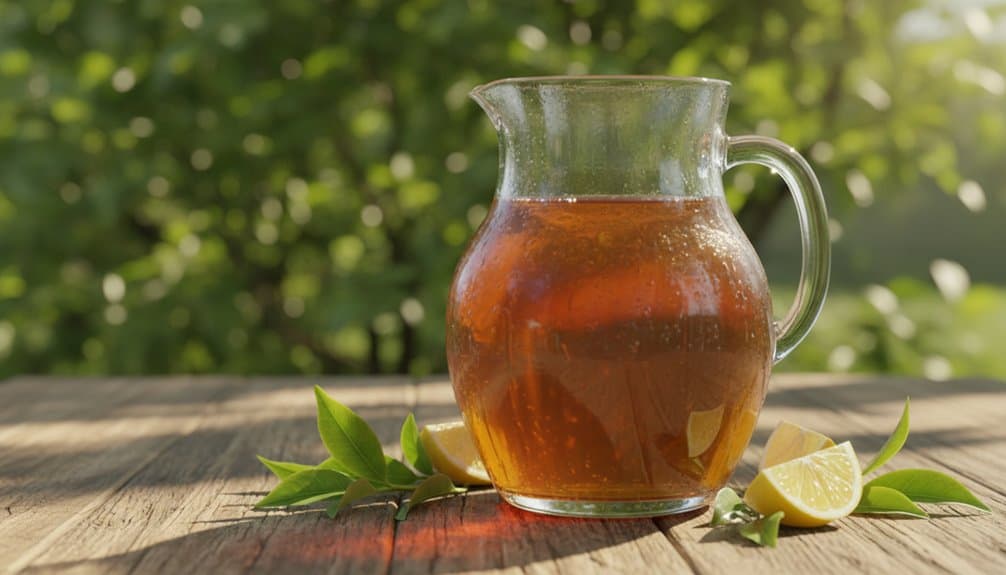
When you brew tea leaves in hot water, you’re extracting hundreds of flavor compounds without adding a single calorie to your drink. Tea leaves contain polyphenols, catechins, and aromatic oils that dissolve during steeping, creating complex flavors without any sugars, fats, or proteins that contribute calories.
Your tea steeping techniques directly impact flavor intensity. Steeping green tea for 2-3 minutes at 175°F releases delicate notes, while black tea needs 3-5 minutes at 212°F for robust taste. You’ll get maximum flavor extraction without bitterness when you follow proper timing and temperature.
The antioxidant properties that make tea healthy also enhance its taste profile. Compounds like EGCG and theaflavins provide subtle astringency and depth that satisfy your palate. These zero-calorie molecules trick your taste buds into perceiving richness and complexity, making unsweet tea more satisfying than water while delivering the same caloric value: absolutely none.
The Science Behind How Unsweet Tea Naturally Suppresses Sugar Cravings
As you sip unsweet tea throughout the day, specific compounds in the brew actively work to reduce your desire for sugary foods and beverages. The tea polyphenol benefits include blocking sweet taste receptors on your tongue, which diminishes the intensity of sugar cravings at their source. These polyphenols, particularly EGCG in green tea and theaflavins in black tea, also regulate blood sugar levels, preventing the spikes and crashes that trigger sweet tooth episodes.
The caffeine concentration effects in unsweet tea provide another craving-control mechanism. You’ll experience a mild energy boost that stabilizes your mood without the jittery rush from coffee or energy drinks. This gentle stimulation increases dopamine production, satisfying your brain’s reward system without needing sugar. Additionally, tea’s L-theanine works synergistically with caffeine to promote calm alertness, reducing stress-induced sugar cravings. When you’re mentally balanced, you’re less likely to reach for sweet snacks as emotional comfort.
Comparing Unsweet Tea to Diet Soda: Health Benefits Beyond Calorie Counting
Both unsweet tea and diet soda contain zero calories, but that’s where their similarities end. While diet soda relies on artificial sweeteners that can trigger insulin responses and increase cravings, unsweet tea provides pure hydration without synthetic additives. You’ll notice the difference in your natural energy levels immediately – tea’s L-theanine and moderate caffeine work together to deliver steady alertness without crashes, unlike diet soda’s sharp caffeine spike.
The mood enhancement benefits of unsweet tea surpass diet soda significantly. Tea’s antioxidants support brain health and reduce inflammation, while diet soda’s artificial ingredients may actually worsen anxiety and depression symptoms. You’re also avoiding aspartame and other chemicals linked to headaches and digestive issues. Plus, unsweet tea’s polyphenols boost metabolism naturally, helping your body burn fat more efficiently. When you choose unsweet tea, you’re not just cutting calories – you’re actively supporting your body’s wellness systems.
Best Unsweet Tea Varieties and Brewing Methods for Former Soda Drinkers
Making the switch from soda to unsweet tea starts with finding flavors that satisfy your taste buds without the sugar crash. You’ll discover that proper brewing techniques transform ordinary tea leaves into crave-worthy beverages that rival any carbonated drink.
For maximum flavor without bitterness, consider these popular varieties:
- Black tea – Bold and robust, brew at 200°F for 3-5 minutes
- Green tea – Light and refreshing, steep at 175°F for 2-3 minutes
- Oolong tea – Smooth and fruity, brew at 195°F for 2-4 minutes
- White tea – Delicate and subtle, steep at 160°F for 4-6 minutes
Your tea leaf selection determines the intensity and complexity of flavors. Choose loose-leaf over bags when possible—they’re less processed and release fuller taste profiles. Cold brewing overnight eliminates any risk of bitterness while creating a naturally sweet flavor that’ll make you forget about soda entirely.
Frequently Asked Questions
Can I Drink Unsweet Tea if I’m Sensitive to Caffeine?
You’ll want to be cautious with unsweet tea since it contains caffeine, though the minimal caffeine content varies by type. Black tea has about 40-70mg per cup, while green tea contains 25-35mg.
If you’ve got a sensitive digestive system, try herbal teas like chamomile or peppermint instead—they’re naturally caffeine-free. You can also opt for decaffeinated versions of regular tea, which contain only trace amounts of caffeine.
How Many Cups of Unsweet Tea Are Safe to Drink Daily?
You can safely drink 3-4 cups of unsweetened tea daily, which provides moderate caffeine content of 150-200mg total. This amount won’t interfere with your hydration benefits and stays well below the 400mg daily caffeine limit experts recommend.
If you’re caffeine-sensitive, you’ll want to limit yourself to 1-2 cups instead. Space them throughout your day to maintain steady energy levels while getting tea’s antioxidants without overdoing the caffeine intake.
Will Unsweet Tea Stain My Teeth Like Regular Tea Does?
Yes, you’ll experience dental discoloration from unsweet tea just like regular tea. The tannins that cause staining don’t come from sugar—they’re naturally present in tea leaves. You’re looking at the same tooth enamel damage risk whether it’s sweetened or not.
Drinking through a straw helps minimize contact with teeth. You’ll want to rinse with water afterward and wait thirty minutes before brushing to protect your enamel from erosion.
Can Pregnant Women Safely Consume Unsweet Tea Instead of Diet Soda?
You can safely drink unsweetened tea during pregnancy, but you’ll need to monitor caffeine intake. Most doctors recommend limiting caffeine to 200mg daily.
Unsweetened tea supports prenatal hydration needs better than diet soda and won’t spike blood sugar for gestational diabetes management. You’re getting beneficial antioxidants without artificial sweeteners.
Choose decaf versions if you’re concerned about caffeine limits, and remember that herbal teas require separate safety considerations during pregnancy.
Does Unsweet Tea Interfere With Iron Absorption From Meals?
Yes, unsweet tea can interfere with iron absorption from your meals. The tannin content in tea binds to non-heme iron, reducing how much your body absorbs by up to 60%. You’ll minimize this effect by drinking tea between meals rather than with food.
If you have caffeine sensitivity or iron deficiency, consider herbal teas instead, as they’re typically lower in tannins and won’t block iron absorption as significantly.
Conclusion
You’ve discovered that unsweet tea isn’t just another zero-calorie drink—it’s your secret weapon against sugar cravings. Unlike diet soda’s artificial sweeteners that can trigger more cravings, tea’s natural compounds actually help you break free from the sugar cycle. You’ll get antioxidants, better hydration, and genuine flavor without the chemical aftertaste. Start brewing your favorite variety today, and you’ll quickly understand why millions have ditched diet soda for this healthier, more satisfying alternative.


No Comments