
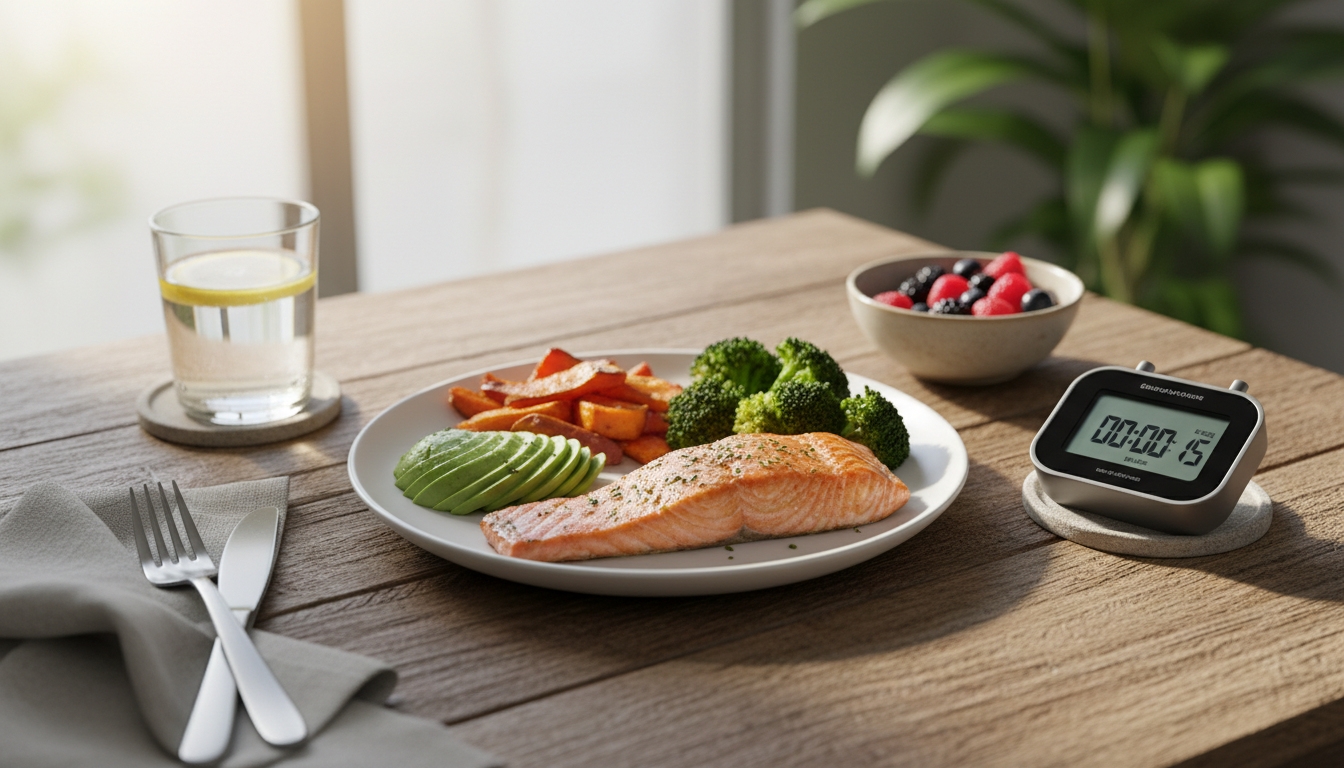
Eat a balanced meal 2–3 hours before you hit the gym, focusing on complex carbs, lean protein, and a small amount of healthy fat. If you’re short on time, grab a light, low‑fiber snack 30–60 minutes prior—think a banana with honey or a rice cake with a thin spread of nut butter. Keep hydrated all day and sip a glass of water about 15 minutes before you start. This timing helps maintain steady blood sugar, avoid gut issues, and fuel your workout, and the next section shows how to fine‑tune nutrients for strength or endurance goals.
Table of Contents
How Far in Advance Should You Eat for Optimal Pre‑Workout Nutrition?
When should you eat before a workout? Aim to finish a balanced meal 2–3 hours prior, giving your body time to digest and convert food into usable energy. If you’re short on time, a light snack 30–60 minutes before can boost blood sugar without causing discomfort. Choose easily digestible carbs—like a banana, toast with jam, or a small smoothie—paired with a modest protein source, such as Greek yogurt or a scoop of whey. Avoid heavy fats and excessive fiber close to training; they slow gastric emptying and may lead to cramping. Hydration matters, too: sip water throughout the day and have a glass 15 minutes before you start. Listen to your gut; if you feel sluggish or nauseous, adjust the timing or portion size for next session. Consistently pairing the right interval with appropriate foods will sharpen focus, sustain stamina, and improve overall performance.
What Pre‑Workout Nutrition Macro Mix Fuels Strength vs. Endurance?
You’ll want a higher protein‑to‑carb ratio when you’re training for strength, giving your muscles the amino acids they need for power lifts.
For endurance sessions, shift toward more carbs and fewer proteins to replenish glycogen and keep energy steady.
Timing these mixes about 60–90 minutes before you hit the gym maximizes their benefit for each goal.
Protein‑Carb Ratio
Ever wondered which macro mix powers a heavy‑lifting session versus a long‑run? For strength work, aim for a protein‑to‑carb ratio of roughly 1:2. A modest protein dose (15‑20 g) primes muscle fibers, while twice that amount in carbs (30‑40 g) replenishes glycogen and fuels high‑intensity lifts.
For endurance, flip the ratio to 1:3 or 1:4, delivering 15‑20 g protein plus 45‑80 g carbs to sustain prolonged effort and spare muscle breakdown.
Choose easily digestible sources—whey or Greek yogurt for protein, and fruit, oats, or a small sports drink for carbs.
Adjust portions based on body size, training intensity, and personal tolerance, but keep the timing 60‑90 minutes before you hit the gym to maximize absorption and performance.
Timing for Strength
Shifting focus from the protein‑carb ratio, the timing of your pre‑workout meal determines how effectively those macros fuel a strength session. You want a blend that spikes blood glucose just long enough to power heavy lifts without causing a crash. Aim for a meal 60‑90 minutes before training; this window lets insulin rise, delivering amino acids and glycogen to muscles while minimizing gastrointestinal discomfort. Keep the mix roughly 40 % carbs, 30 % protein, and 30 % healthy fats for optimal torque and recovery.
- Complex carbs (oats, sweet potatoes) for sustained energy
- Fast‑digesting protein (whey, egg whites) to prime muscle synthesis
- Small amount of fat (nuts, avocado) to slow digestion just enough for endurance
Timing for Endurance
When it comes to endurance workouts, the macro mix shifts toward sustained fuel rather than quick‑burst power. Aim for a carbohydrate‑rich snack 60‑90 minutes before you start, with a modest protein boost to preserve muscle. A 3:1 or 4:1 carb‑to‑protein ratio works well—think a banana with a tablespoon of peanut butter, a small bowl of oatmeal topped with berries, or a whole‑grain wrap filled with hummus and sliced turkey. Keep fat low, as it slows digestion and can cause discomfort during long sessions. Hydration matters too; sip water or an electrolyte drink alongside your snack. This combo supplies glycogen for steady energy, delays fatigue, and supports recovery without weighing you down.
Which Quick‑Digest Carbs Boost Pre‑Workout Nutrition for a 30‑Minute Snack?
Looking for a fast‑acting carb that fuels a 30‑minute pre‑workout snack? You need quick‑digest carbs that spike blood sugar just enough to power your muscles without causing a crash. Choose foods that break down within 15‑30 minutes, so you feel energized as you step onto the floor.
- White rice cakes – low‑fiber, easy to chew, and absorb quickly; pair with a drizzle of honey for extra glucose.
- Bananas – natural sugars and potassium; the ripe fruit digests fast and prevents cramping.
- Sports gels – concentrated maltodextrin formulas deliver instant energy without bulk.
Consume one of these options 20‑30 minutes before training, and you’ll notice steadier stamina and sharper focus. Avoid heavy fibers or fats, which slow digestion and may cause discomfort during high‑intensity effort. Stick to the list, and your 30‑minute snack will power a solid workout.
How to Build a Balanced Pre‑Workout Meal for a 2‑Hour Training Window?
Need you need a meal that sustains energy for a full two‑hour workout, focus on a mix of complex carbs, moderate protein, and a small amount of healthy fat — all consumed about 90‑120 minutes before you start. Choose a base of whole‑grain oats, quinoa, or sweet potato for slow‑release carbs; aim for 45‑60 g. Pair it with 20‑30 g of lean protein such as Greek yogurt, cottage cheese, or a plant‑based scoop of pea protein. Add a tablespoon of nuts, seeds, or avocado for healthy fat that slows digestion without weighing you down. Include a splash of fruit juice or a handful of berries for a touch of quick sugar and antioxidants. Hydrate with water or an electrolyte drink, targeting 500‑750 ml. Keep the total calorie load around 400‑550 kcal, adjusting portions to match your body size and training intensity. This balance fuels endurance, preserves muscle, and prevents mid‑session crashes.
Foods to Skip Before Training for Energy & Comfort
Even with a perfectly balanced pre‑workout plate, certain foods can sabotage your performance and comfort. Heavy, high‑fat meals linger in your stomach, causing sluggishness and cramping. Sugary snacks spike insulin, then crash, leaving you fatigued mid‑session. Dairy can trigger excess mucus or digestive discomfort for many.
- Fried or greasy foods – they slow gastric emptying, making you feel heavy and reducing stamina.
- High‑sugar pastries and candy – rapid blood‑sugar spikes followed by crashes drain energy and impair focus.
- Large dairy portions – milk, cheese, and yogurt can cause bloating or reflux, especially if you’re sensitive.
Skip these choices at least 1–2 hours before you train. Opt for lean proteins, complex carbs, and a modest amount of healthy fats instead. By eliminating the culprits, you’ll maintain steady energy, avoid gastrointestinal distress, and hit your workout with confidence.
What Does a Simple 4‑Hour‑to‑15‑Minute Pre‑Workout Schedule Look Like?
You’ll eat a balanced meal about four hours before you train, giving your body time to digest and store energy.
Then, fifteen minutes before you hit the gym, grab a quick, easily digestible snack to top off your blood sugar.
This two‑step timing keeps you fueled without feeling heavy or sluggish.
4‑Hour Meal Timing
When should you eat before hitting the gym? You’ll want a balanced meal roughly four hours prior, then a lighter snack 15‑30 minutes before you start. The early meal fuels glycogen stores, stabilizes blood sugar, and gives your digestive system time to settle. The later snack tops off energy without causing discomfort. Follow this timeline:
- Four‑hour mark: 45‑60 g carbs, 20‑30 g protein, low fat; think oatmeal with banana and whey.
- Two‑hour mark (optional): Small carb‑protein combo if you feel hungry; a piece of fruit with a handful of nuts.
- Fifteen‑minute mark: Quick, easily digestible carbs like a rice cake or a splash of juice.
Stick to the plan, and you’ll hit the gym feeling strong and steady.
15‑Minute Pre‑Workout Snack
Four hours before you train, a solid meal loads your glycogen and steadies blood sugar; then, just fifteen minutes before you start, a quick, easy‑to‑digest snack gives a final energy boost without weighing you down.
Choose something light, high‑carb, low‑fiber, and modest in protein—think a banana with a dab of honey, a handful of raisins, or a rice‑cake topped with a thin spread of peanut butter.
Keep the portion to 150‑200 kcal so digestion stays rapid.
Pair the carbs with a splash of water or a small electrolyte drink to stay hydrated.
Avoid heavy fats, dairy, or large protein shakes, which can cause stomach slosh.
This minute‑scale snack fuels your muscles, sharpens focus, and prevents the mid‑workout crash that often follows a missed pre‑exercise bite.
Customizing Pre‑Workout Nutrition for Early, Late, and Fasted Sessions
How do you fuel your body when the clock, your workout schedule? Tailoring pre‑workout nutrition to early mornings, late evenings, or fasted sessions can boost performance and curb fatigue. For early workouts, prioritize quick‑digesting carbs and a modest protein dose to jump‑start glycogen without weighing you down. Late sessions benefit from a balanced mix of complex carbs, protein, and healthy fats to sustain energy through the day’s depletion. When you train fasted, a tiny, easily absorbed protein or BCAA sip can preserve muscle while keeping insulin low.
- Early Morning: 30 g carbs (banana or toast) + 10 g protein (Greek yogurt).
- Late Evening: 45 g carbs (sweet potato) + 20 g protein (chicken) + 5 g fats (nuts).
- Fasted: 5 g BCAAs or 10 g whey isolate mixed with water.
Adjust portion sizes to your body weight and intensity, and stay hydrated. This targeted approach aligns nutrient timing with your specific workout window, optimizing power and recovery.
Frequently Asked Questions
Can I Eat a Full Meal Right Before a High‑Intensity Interval Workout?
No, you shouldn’t eat a full meal right before a high‑intensity interval workout; it can cause cramping and sluggishness. Instead, have a light snack with carbs and protein 60‑90 minutes prior.
Does Caffeine Timing Affect Pre‑Workout Digestion?
Yes, caffeine can speed stomach emptying, so you’ll feel lighter if you sip it 30‑45 minutes before training; just avoid high‑caffeine doses right before intense cardio to prevent jittery digestion.
Should I Adjust Water Intake Based on Meal Size Before Training?
Yes, you should scale water intake to your meal size—drink a glass with a small snack, add another half‑glass for a larger meal, and sip steadily during warm‑up to stay hydrated.
How Do I Handle Pre‑Workout Nutrition When Training on an Empty Stomach?
You should eat a light, easily digestible snack—like a banana or a protein shake—about 30‑45 minutes before training, then hydrate well; this fuels you without feeling heavy or causing stomach discomfort.
What Impact Does Alcohol Consumption the Day Affect Pre‑Workout Meals?
Alcohol dehydrates you, slows glycogen replenishment, and impairs nutrient absorption, so your pre‑workout meal will feel heavier and fuel less efficiently, leading to reduced performance and longer recovery after training.
Conclusion
By timing your meals right, you’ll hit the gym fueled and comfortable. Eat a balanced snack 30‑45 minutes before a quick boost, a solid meal 2‑3 hours ahead for sustained energy, and avoid heavy, high‑fiber foods that can cause cramping. Adjust the window for early, late, or fasted sessions, and match carbs, protein, and fats to your workout type. Stick to this plan, and you’ll maximize performance while feeling great.


Sorry, the comment form is closed at this time.