
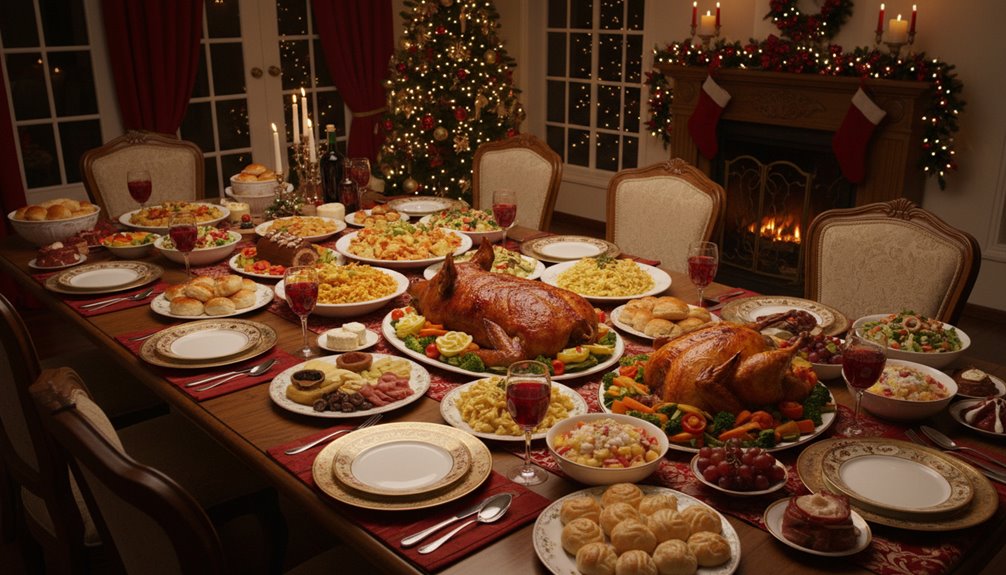
Noche Buena Ideas 25 Dishes for a Memorable Christmas Eve
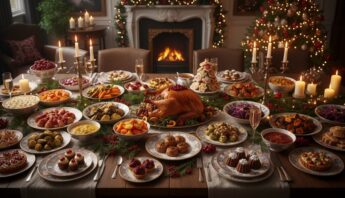
You’ll create an unforgettable Noche Buena with classic dishes like honey glazed ham with pineapple and cloves, traditional lechon asado, or pernil with crispy skin and mojo sauce. Don’t overlook seafood options such as bacalao a la vizcaína or baked whole red snapper with herbs. Complete your feast with tamales, arroz con gandules, buñuelos with cinnamon sugar, and refreshing ponche navideño. These authentic Latin flavors and festive specialties will transform your Christmas Eve celebration into something truly special.
Key Takeaways
- Traditional centerpiece proteins like Lechon Asado, Pernil with mojo sauce, and honey glazed ham create memorable main courses.
- Seafood options including Bacalao a La Vizcaina and baked whole red snapper offer elegant alternatives to meat dishes.
- Authentic tamales with red chile pork filling require 60-90 minutes of steaming for tender, flavorful results.
- Essential sides like Arroz con Gandules and garlic butter Brussels sprouts complement the festive meal perfectly.
- Traditional beverages and desserts such as Ponche Navideño and cinnamon sugar buñuelos complete the celebration.
Classic Honey Glazed Ham With Pineapple and Cloves
Picture yourself carving into a golden-brown ham that’s been glazed to perfection with honey and studded with aromatic cloves. This centerpiece transforms your Noche Buena table into something truly spectacular.
You’ll want to score your ham in diamond patterns before applying the glaze. Mix honey with brown sugar, Dijon mustard, and a splash of pineapple juice for depth. The key to successful glazing techniques involves applying thin layers every thirty minutes during the final cooking hour, allowing each coat to caramelize beautifully.
Pineapple pairing elevates this dish beyond ordinary. Arrange fresh pineapple rings around the ham, securing them with whole cloves. The fruit’s acidity cuts through the meat’s richness while adding tropical sweetness that complements the honey glaze.
Cook at 325°F, basting regularly. Your guests will be amazed by the glossy, mahogany finish and the incredible aroma that fills your home.
Traditional Lechon Asado (Cuban Roast Pork)
You’ll create an unforgettable centerpiece with traditional lechon asado that rivals any restaurant’s version. The secret lies in crafting a proper mojo marinade that infuses the pork with garlic, citrus, and aromatic herbs overnight.
Master the slow roasting technique, and you’ll achieve that perfect balance of crispy skin and tender, juicy meat that makes this Cuban classic essential for your Noche Buena celebration.
Mojo Marinade Recipe
Nothing transforms ordinary pork into an extraordinary centerpiece quite like authentic Cuban mojo marinade. You’ll create this magical blend using fresh garlic, sour orange juice, oregano, cumin, and olive oil. The mojo marinade consistency should be smooth yet chunky, allowing garlic pieces to penetrate the meat while maintaining a pourable texture.
Blend eight garlic cloves with one cup sour orange juice, two teaspoons dried oregano, one teaspoon cumin, and half cup olive oil. The mojo marinade flavor profile balances tangy citrus with aromatic herbs and pungent garlic. You’ll want to marinate your pork shoulder for at least twelve hours, but twenty-four hours delivers maximum flavor penetration. This acidic marinade tenderizes tough fibers while infusing every bite with Cuba’s signature taste that’ll make your Noche Buena unforgettable.
Slow Roasting Technique
After your pork has absorbed the mojo’s bold flavors, the slow roasting process becomes your pathway to achieving that coveted crispy skin and succulent interior that defines authentic lechon asado. Set your oven to 325°F and place the marinated pork shoulder fat-side up on a roasting rack. You’ll need approximately 25-30 minutes per pound for optimal results.
The key slow roasting techniques involve maintaining consistent low heat while periodically basting with reserved mojo marinade. Don’t cover the meat – you want that skin to develop a golden, crackling exterior. Insert a meat thermometer into the thickest part, avoiding bone. When internal temperature reaches 195°F, your lechon asado will shred effortlessly while maintaining incredible moisture throughout.
Bacalao a La Vizcaina (Basque-Style Cod)
You’ll find that Bacalao a La Vizcaina brings centuries of Basque culinary tradition to your Noche Buena table, transforming humble salt cod into an elegant centerpiece. The key lies in properly soaking and preparing the bacalao while building layers of flavor with tomatoes, peppers, and aromatic sofrito that define this classic dish.
Present it family-style in a beautiful serving dish alongside crusty bread, allowing guests to savor both the rich sauce and tender flakes of cod.
Traditional Recipe Origins
Bacalao a la Vizcaína carries the rich maritime heritage of Spain’s Basque region, where Basque fishermen perfected the art of salt-curing cod during their legendary voyages to Newfoundland’s Grand Banks in the 15th and 16th centuries. You’ll discover this dish’s cultural significance through its evolution from necessity to celebration. The historical origins stem from practical preservation methods that transformed into culinary artistry.
The recipe’s development reflects centuries of tradition:
- Basque sailors adapted Indigenous preservation techniques learned in Newfoundland
- Spanish convents refined the dish, adding regional peppers and tomatoes
- Colonial trade routes brought New World ingredients that enhanced flavors
- Family recipes passed down through generations maintained authentic preparation methods
When you prepare this dish, you’re connecting with generations of Basque cooks who elevated simple preserved fish into Christmas Eve magnificence.
Key Ingredient Preparation
Since proper preparation determines the dish’s success, you must start with high-quality salt cod that’s been cured for at least 24 hours before desalting. Key ingredient selection matters—choose thick, white fillets without yellow spots or strong odors. Soak the cod in cold water for 12-24 hours, changing water every 4-6 hours to remove excess salt.
For supporting ingredients, select firm Roma tomatoes, sweet red peppers, and Spanish olives. Proper storage techniques require keeping desalted cod refrigerated and using it within two days. Store peppers and tomatoes at room temperature until ready to use.
Quality olive oil and Spanish paprika elevate the dish’s authentic flavor profile. Fresh garlic and onions should be firm and aromatic when purchased.
Serving Style Tips
Three presentation methods showcase Bacalao a La Vizcaína‘s rustic elegance perfectly. Your plating presentation transforms this traditional dish into a restaurant-worthy centerpiece that’ll impress guests while honoring its Basque heritage.
For optimal serving impact, consider these approaches:
- Individual portions – Serve in shallow bowls with cod pieces artfully arranged over vegetables
- Family style serving – Present in a large terra cotta cazuela for authentic communal dining
- Buffet display – Use warming trays to maintain temperature while guests serve themselves
- Garnish finishing – Top with fresh parsley, roasted peppers, or olive oil drizzle
You’ll want to serve this immediately while hot, accompanied by crusty bread for sopping up the rich tomato sauce. The vibrant red sauce creates stunning visual appeal against white serving dishes.
Tamales With Red Chile Pork Filling
Many families consider tamales the crown jewel of their Noche Buena feast, and these red chile pork versions deliver bold, authentic flavors that’ll have everyone reaching for seconds.
Your masa preparation sets the foundation for exceptional tamales. Beat lard until fluffy, then gradually incorporate masa harina with warm broth until the mixture’s light and spreadable. Test readiness by dropping a small ball into water—it should float when properly whipped.
The red chile pork filling creates complex flavor profiles that define this dish. Simmer dried New Mexico or guajillo chiles with garlic and cumin, then blend into a rich sauce. Braise pork shoulder in this mixture until fork-tender, allowing the meat to absorb those deep, earthy notes.
Assembly becomes easier with practice. Spread masa on corn husks, add filling, fold carefully, and steam upright for 60-90 minutes. The result? Tender, flavorful tamales that capture the essence of traditional Mexican Christmas celebrations.
Pernil With Crispy Skin and Mojo Sauce
You’ll want to master the art of preparing perfect pernil, a slow-roasted pork shoulder that’s the centerpiece of many Noche Buena celebrations. The key lies in achieving that coveted crispy skin while keeping the meat incredibly tender and flavorful inside.
Don’t forget to prepare a vibrant mojo sauce that’ll complement the rich pork with its bright, garlicky citrus notes.
Preparing Perfect Pernil
What makes pernil the undisputed centerpiece of Noche Buena celebrations? You’ll discover it’s the perfect marriage of crispy skin and tender, juicy meat that creates an unforgettable experience. Success depends on mastering the slow cooking technique and creating a flavorful marinade that penetrates deep into the pork shoulder.
Your preparation strategy should focus on these essential elements:
- Score the skin deeply in a crosshatch pattern to ensure maximum crispiness
- Marinate overnight with garlic, oregano, cumin, and citrus for optimal flavor penetration
- Start cooking early at low temperature, then finish with high heat for crackling skin
- Rest the meat properly for at least 20 minutes before carving to retain juices
This methodical approach guarantees restaurant-quality results every time.
Making Mojo Sauce
The perfect mojo sauce transforms your beautifully roasted pernil from impressive to absolutely irresistible. You’ll need fresh garlic, sour orange juice, olive oil, oregano, cumin, and salt for authentic flavor. Start by crushing garlic with coarse salt in a mortar and pestle until it forms a paste. Gradually whisk in sour orange juice, then slowly drizzle olive oil while continuing to whisk. Add oregano and cumin, adjusting seasonings to taste.
Effective mojo flavoring techniques include letting the sauce rest for thirty minutes before serving, allowing flavors to meld. The key mojo sauce ingredients create a bright, acidic complement that cuts through the pork’s richness. Drizzle generously over sliced pernil and serve extra sauce alongside for guests who want more of this traditional Cuban condiment.
Stuffed Pork Tenderloin With Dried Fruits and Nuts
Since pork tenderloin cooks quickly and tends toward dryness, stuffing it with a mixture of dried fruits and nuts creates both moisture and complexity that transforms this lean cut into an elegant centerpiece.
You’ll butterfly the tenderloin by cutting horizontally through the middle, stopping about an inch from the edge, then opening it like a book. This technique creates the perfect pocket for your filling while maintaining the meat’s structural integrity.
Consider these dried fruit and nut combinations for your stuffed pork tenderloin variations:
- Dried cranberries, toasted walnuts, and fresh sage with orange zest
- Chopped dates, pistachios, and rosemary with a hint of cinnamon
- Dried apricots, almonds, and thyme with lemon juice
- Fig pieces, pecans, and oregano with balsamic reduction
Season the filling generously, spread it evenly across the opened tenderloin, then roll tightly and secure with kitchen twine. Sear all sides before roasting at 425°F until the internal temperature reaches 145°F.
Baked Whole Red Snapper With Herbs
You’ll want to select the freshest herbs possible for your baked red snapper, as they’ll infuse the fish with vibrant flavors that complement its delicate taste. Choose herbs like thyme, rosemary, parsley, and cilantro that haven’t wilted and still release their oils when gently crushed between your fingers.
Getting the baking temperature right is crucial—too high and you’ll dry out the fish, too low and it won’t develop that beautiful crispy skin.
Fresh Herb Selection Tips
Fresh herb selection can make or break your Noche Buena red snapper, transforming a simple fish into an aromatic centerpiece that’ll have your guests talking long after the last bite.
Choose herbs that complement rather than compete with each other. The perfect fresh herb combination typically includes:
- Cilantro and lime – adds brightness and citrusy notes
- Thyme and rosemary – provides earthy, pine-like aromatics
- Parsley and dill – offers fresh, clean flavors
- Oregano and bay leaves – delivers Mediterranean warmth
Proper fresh herb storage ensures maximum flavor impact. Keep delicate herbs like cilantro and parsley in water-filled jars, covering with plastic bags. Store hardier varieties like rosemary and thyme wrapped in damp paper towels. Buy herbs the day you’re cooking for peak freshness and vibrant taste.
Perfect Baking Temperature Guide
Getting the oven temperature right determines whether your whole red snapper emerges perfectly flaky or disappointingly dry. You’ll want to preheat your oven to 425°F for perfect baking temperatures that ensure even cooking without overcooking the delicate flesh. This temperature creates a beautiful golden crust while keeping the interior moist and tender.
Calculate your optimal baking time by measuring the fish at its thickest point and allowing 10 minutes per inch. A 2-pound whole red snapper typically needs 20-25 minutes. You’ll know it’s done when the internal temperature reaches 145°F and the flesh flakes easily with a fork. Don’t open the oven door frequently, as this drops the temperature and extends cooking time unnecessarily.
Prime Rib With Horseradish Cream
The centerpiece of many memorable Noche Buena celebrations, prime rib delivers an impressive presentation that’ll have your guests talking long after the last bite. This show-stopping roast combines tender, juicy meat with elegant sophistication that transforms your Christmas Eve dinner into something extraordinary.
The reverse seared cooking method ensures perfect doneness throughout, starting with low-temperature roasting before finishing with high heat for that coveted golden crust. Your creamy horseradish accompaniment provides the perfect tangy contrast to the rich, savory beef.
Essential preparation tips include:
- Season generously with kosher salt 24 hours before cooking
- Use a reliable meat thermometer for precise temperature control
- Let the roast rest 15-20 minutes before carving
- Prepare fresh horseradish cream with sour cream, prepared horseradish, and chives
This combination creates a restaurant-quality experience that’ll make your Noche Buena celebration unforgettable for family and friends alike.
Romeritos With Shrimp Patties and Mole
While prime rib might steal the spotlight at many holiday tables, romeritos holds deep cultural significance as Mexico’s quintessential Christmas Eve dish. This traditional preparation combines tender romeritos greens with rich, complex mole sauce and crispy shrimp patties.
You’ll find romeritos in Mexican markets during December, though spinach makes an acceptable substitute. The dish’s magic lies in balancing the bitter greens with sweet, spicy mole poblano. Don’t rush the mole preparation – it’s worth making from scratch or buying quality premade sauce.
For shrimp patty presentation, form small tortitas by mixing chopped shrimp with beaten eggs, then frying until golden. Arrange these alongside the romeritos with mole for visual appeal. Some families add nopales, potatoes, or dried shrimp for extra texture.
This labor-intensive dish represents love and tradition, making your Noche Buena table authentically festive while honoring Mexican Christmas customs.
Lobster Thermidor for Special Occasions
Few dishes command attention quite like lobster thermidor, transforming your Noche Buena celebration into an elegant affair that rivals the finest restaurants. This French classic delivers both luxurious presentation and decadent flavor that’ll make your Christmas Eve truly unforgettable.
You’ll create magic when tender lobster meat meets rich cream sauce infused with cognac, mustard, and herbs. The dish’s golden-brown cheese topping provides textural contrast while maintaining sophisticated appeal.
Essential preparation tips for success:
- Select live lobsters weighing 1½-2 pounds for optimal meat-to-shell ratio
- Reserve lobster shells as natural serving vessels for authentic presentation
- Use high-quality Gruyère cheese for proper browning and nutty flavor
- Finish under broiler for 2-3 minutes to achieve perfect golden crust
Your guests will appreciate this restaurant-quality centerpiece that elevates traditional holiday fare. The combination of buttery lobster, velvety sauce, and elegant plating creates memories that’ll last long after Christmas ends.
Ponche Navideño (Christmas Fruit Punch)
Nothing captures the warmth of Latin Christmas traditions quite like ponche navideño, a fragrant fruit punch that’ll fill your home with the irresistible aromas of cinnamon, cloves, and simmering seasonal fruits.
This tradicional recipe combines fresh pineapple, guava, oranges, and apples with warming spices in a large pot. You’ll simmer the fruits with cinnamon sticks, whole cloves, and star anise until they release their natural sweetness. Add brown sugar to taste and a splash of rum for adult versions.
The magic happens during the slow cooking process when your kitchen transforms into a holiday wonderland of scents. You can prepare this punch hours ahead, letting flavors meld beautifully.
For festive presentation, serve in clay mugs or clear glass cups to showcase the beautiful amber color. Garnish with orange slices, cinnamon sticks, or fresh mint sprigs. Your guests will appreciate this authentic touch that brings generations-old Christmas memories to your Noche Buena celebration.
Ensalada De Nochebuena (Christmas Eve Salad)
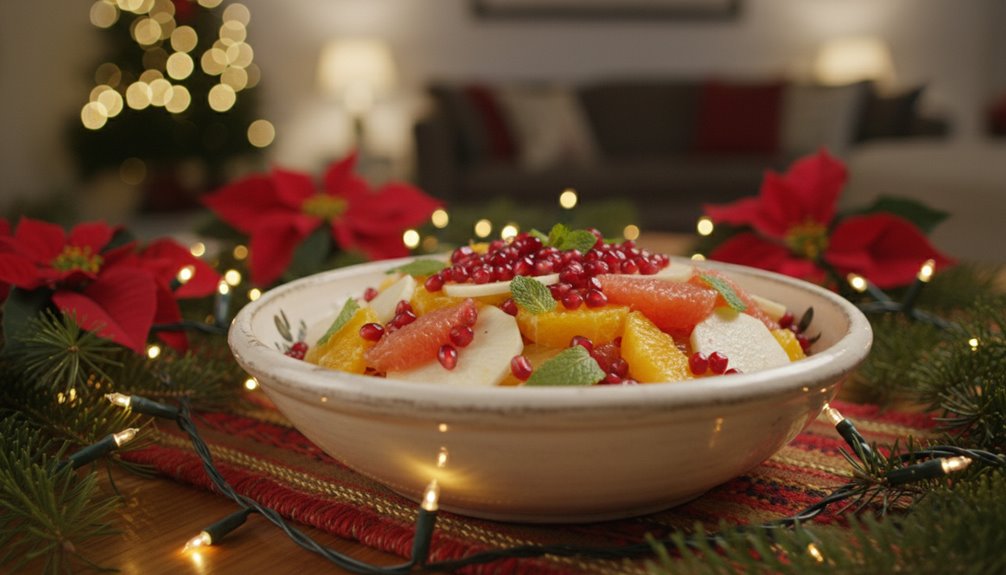
When December arrives in Mexican households, ensalada de Nochebuena becomes the crown jewel of Christmas Eve dinner tables—a vibrant, refreshing salad that perfectly balances the richness of traditional holiday dishes.
You’ll love how this colorful masterpiece combines sweet and tart flavors through fresh fruits like jicama, oranges, pineapple, and pomegranate seeds. The crisp textures create a delightful contrast that cleanses your palate between heavier courses.
Essential components that make this salad special:
- Fresh seasonal fruits – oranges, apples, guavas, and sugarcane
- Crunchy vegetables – jicama, lettuce, and radishes
- Festive garnishes – pomegranate seeds, peanuts, and lime juice
- Traditional toppings – chili powder, chamoy, and fresh herbs
The nutritional benefits include vitamin C, fiber, and antioxidants that support your immune system during winter months. Various salsa dressing options range from tangy lime-chile combinations to sweet chamoy drizzles, letting you customize flavors to match your family’s preferences perfectly.
Garlic Butter Roasted Brussels Sprouts
While traditional Mexican sides dominate most Noche Buena spreads, garlic butter roasted Brussels sprouts offer a delicious fusion twist that’ll surprise your guests with their caramelized edges and rich, savory flavor.
You’ll need fresh Brussels sprouts, garlic, butter, olive oil, salt, and pepper. Halve the sprouts and toss them with olive oil and seasonings. Roast at 425°F for 20-25 minutes until they’re golden and crispy.
The magic happens when you create perfectly caramelized Brussels sprouts through proper roasting technique. Don’t overcrowd your pan, and flip them halfway through cooking.
For extra indulgence, consider making roasted Brussels sprouts with bacon. Simply add chopped bacon during the last ten minutes of roasting. The rendered fat adds incredible depth while complementing the garlic butter finish.
Drizzle melted garlic butter over the hot vegetables just before serving. This elegant side bridges Mexican tradition with contemporary flavors, creating a memorable addition to your Christmas Eve feast.
Arroz Con Gandules (Rice With Pigeon Peas)
Arroz con gandules brings the vibrant flavors of Puerto Rico to your Noche Buena table, creating a festive rice dish that’s become essential at many Latino Christmas celebrations. This beloved dish combines tender rice with pigeon peas in a symphony of saffron, sofrito, and aromatic spices that’ll fill your kitchen with irresistible aromas.
You’ll master this crowd-pleaser by understanding proper seasoning techniques that build layers of flavor. The secret lies in sautéing your sofrito base until fragrant, then toasting the rice before adding liquid.
Key elements for authentic arroz con gandules:
- Use bomba or medium-grain rice for perfect texture
- Incorporate saffron threads for golden color and earthy flavor
- Add diced ham or pork for richness
- Finish with fresh cilantro and pimiento strips
Traditional accompaniments include pernil, pasteles, and crispy tostones. You’ll create a centerpiece dish that honors heritage while bringing families together for unforgettable Christmas Eve memories.
Champurrado (Chocolate Atole)
You’ll want to master champurrado’s essential ingredients like masa harina, Mexican chocolate, and cinnamon to create this beloved warm drink for your Noche Buena celebration. The key lies in whisking the masa mixture smoothly and gradually incorporating the chocolate while maintaining the perfect consistency.
Present this rich, comforting atole in traditional clay mugs or colorful ceramic cups alongside sweet bread for an authentic holiday experience.
Traditional Recipe Ingredients
As you gather ingredients for this beloved Mexican holiday drink, you’ll need just a handful of pantry staples to create champurrado’s rich, velvety texture. Traditional cooking methods call for masa harina as the thickening base, combined with Mexican chocolate tablets like Abuelita or Ibarra. You’ll also need whole milk, cinnamon sticks, and a pinch of salt.
Essential champurrado ingredients include:
- Masa harina – Fine corn flour that creates the signature thick consistency
- Mexican chocolate tablets – Pre-sweetened chocolate with cinnamon and sugar
- Whole milk – Provides creamy richness (some recipes use water instead)
- Cinnamon sticks – Adds warm spice that complements the chocolate
While champurrado doesn’t rely on fresh seasonal produce, its warming spices make it perfect for Christmas Eve celebrations when comfort drinks are most appreciated.
Preparation and Cooking Tips
Mastering champurrado requires patience and constant stirring to prevent lumps from forming. You’ll want to dissolve masa harina in cold milk first, creating a smooth paste before adding it to your pot. This ingredient selection step prevents clumping issues later.
Start by warming your milk over medium-low heat, then gradually whisk in the masa mixture. Add chocolate tablets and piloncillo, stirring continuously as they melt. Among effective cooking methods, maintaining steady heat prevents scorching while achieving the perfect consistency.
Don’t rush the process—champurrado needs twenty to thirty minutes of gentle simmering. You’ll know it’s ready when your spoon leaves a clear trail through the mixture. Taste and adjust sweetness as needed, then serve immediately while hot and creamy.
Serving and Presentation Ideas
Traditional clay mugs called jarros de barro make the most authentic vessels for serving champurrado, as their porous surface helps maintain the drink’s temperature while adding subtle earthy notes. You’ll create elegant plating by garnishing each mug with cinnamon sticks and star anise for visual appeal.
Consider these creative table settings to enhance your presentation:
- Arrange colorful Mexican textiles as table runners beneath serving trays
- Place wooden spoons alongside each mug for traditional stirring
- Create height variations using wooden pedestals or decorative boxes
- Add warm lighting with battery-operated string lights around the serving area
You can elevate the experience by offering toppings like whipped cream, marshmallows, or chocolate shavings in small bowls, allowing guests to customize their champurrado while maintaining the festive Noche Buena atmosphere.
Buñuelos With Cinnamon Sugar
The magic of buñuelos transforms your Noche Buena celebration into something truly special. These crispy, golden pastries deliver the perfect buñuelos texture—light and airy inside with a delightfully crunchy exterior. You’ll create an impressive buñuelos presentation by dusting them generously with cinnamon sugar while they’re still warm.
| Ingredient | Amount | Purpose |
|---|---|---|
| All-purpose flour | 2 cups | Base structure |
| Eggs | 2 large | Binding agent |
| Milk | 1/2 cup | Moisture content |
| Sugar | 2 tablespoons | Sweetness |
| Cinnamon | 1 teaspoon | Flavor enhancement |
You’ll heat oil to 375°F for optimal frying results. Roll each portion thin—almost translucent—then fry until golden brown. The key lies in maintaining consistent oil temperature throughout cooking. Serve immediately after dusting with your cinnamon-sugar mixture. Stack them artfully on festive platters, allowing guests to grab these warm, sweet treats that’ll disappear quickly from your holiday table.
Rosca De Reyes (Three Kings Bread)
While buñuelos satisfy your guests’ sweet cravings during Noche Buena, Rosca de Reyes extends the holiday magic well into January’s Epiphany celebration. This crown-shaped bread transforms your Three Kings Day gathering into an authentic cultural experience that’ll captivate everyone at your table.
You’ll love how this traditional recipe creates anticipation through its hidden figurines and beans. The serving style involves cutting slices while guests search for treasures inside, making each bite exciting.
Essential elements for your Rosca de Reyes include:
- Orange zest and anise – These aromatics give the bread its distinctive festive flavor
- Candied fruits – Colorful decorations representing jewels on the kings’ crowns
- Hidden plastic baby Jesus – Whoever finds it hosts next year’s celebration
- Dried lima beans – Additional surprises that determine party responsibilities
This sweet bread doesn’t just feed your family—it connects you to centuries of Mexican tradition while creating new memories.
Flan De Coco (Coconut Flan)
Silky-smooth Flan de Coco brings the perfect finale to your Noche Buena feast, offering guests a luxurious dessert that melts on their tongues. You’ll create this Cuban-inspired masterpiece by blending rich coconut milk with traditional custard ingredients, achieving that coveted coconut flan texture that’s both creamy and firm.
Start by caramelizing sugar until it’s deep amber, then pour it into your flan mold. Whisk together coconut milk, sweetened condensed milk, eggs, and vanilla extract. Strain this mixture to ensure your coconut flan consistency remains perfectly smooth without lumps.
Bake your flan in a water bath at 350°F for 50-60 minutes until a knife inserted comes out clean. You’ll know it’s ready when the center barely jiggles. Cool completely, then refrigerate overnight.
When you’re ready to serve, run a knife around the edges and invert onto your serving plate. The golden caramel cascades beautifully over the pristine white custard.
Roasted Root Vegetables With Maple Glaze
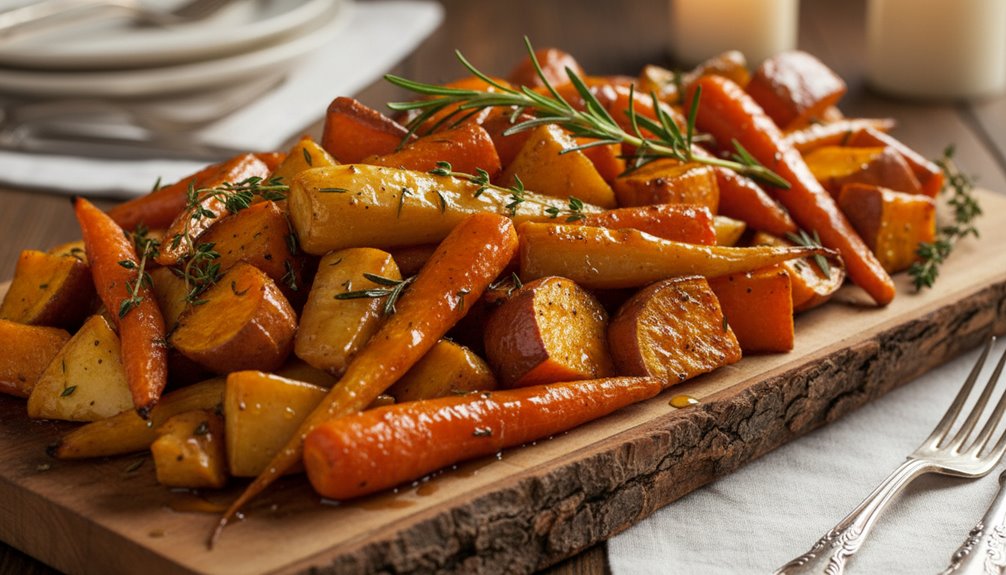
Golden carrots, earthy parsnips, and vibrant sweet potatoes transform into a show-stopping side dish when you coat them with a luscious maple glaze that caramelizes beautifully in the oven.
This colorful medley brings natural sweetness and rustic elegance to your Noche Buena table. The maple syrup glaze creates a glossy finish that enhances each vegetable’s distinct flavor while adding festive appeal.
- Prep efficiently: Cut root vegetable varieties into uniform pieces for even cooking
- Layer flavors: Toss vegetables with olive oil, salt, and herbs before applying the glaze
- Time perfectly: Roast at 425°F for 25-30 minutes, brushing with glaze halfway through
- Finish boldly: Add a final glaze coating in the last 5 minutes for maximum caramelization
You’ll love how the natural sugars in these vegetables complement the maple’s richness. The result is a side dish that’s both comforting and sophisticated—perfect for celebrating Christmas Eve with family.
Seafood Paella Valenciana
Saffron-infused rice mingles with tender seafood and aromatic sofrito in this iconic Spanish dish that’ll become the centerpiece of your Noche Buena celebration. You’ll create an unforgettable feast that brings Spanish coastal flavors to your Christmas Eve table.
Choose from different rice varieties like bomba, Calasparra, or Arborio for authentic texture. While saffron’s golden threads are traditional, saffron substitutions include turmeric or annatto for color, though flavor won’t match the original.
| Seafood | Preparation | Cook Time |
|---|---|---|
| Mussels | Steam until open | 5-8 minutes |
| Shrimp | Sauté until pink | 3-4 minutes |
| Calamari | Quick sear | 2-3 minutes |
Build your sofrito base with tomatoes, garlic, and paprika. Add seafood in stages, allowing each ingredient to shine. The socarrat—that coveted crispy bottom layer—develops during the final minutes. You’ll hear gentle crackling sounds indicating perfection. Garnish with lemon wedges and fresh parsley for a stunning presentation.
Cranberry Orange Glazed Duck
You’ll want to start with a quality duck that’s properly thawed and cleaned, focusing on selecting one that’s around 4-5 pounds for optimal cooking.
The cranberry orange glaze combines tart cranberries with bright citrus and warm spices, creating a festive coating that caramelizes beautifully during roasting.
Master the timing by roasting at high heat initially to crisp the skin, then reducing temperature to ensure even cooking throughout.
Duck Selection and Preparation
Elegance defines the centerpiece of any memorable Noche Buena feast, and a perfectly prepared duck delivers that sophisticated touch your holiday table deserves. Proper duck selection starts with choosing a fresh, high-quality bird weighing 4-5 pounds for optimal serving portions. You’ll want to inspect the skin for any tears and ensure it’s plump with good fat distribution.
Duck preparation requires attention to detail for exceptional results:
- Score the skin in a crosshatch pattern to render fat effectively
- Pat completely dry and season inside and out 24 hours ahead
- Prick the skin all over with a fork to release excess fat
- Remove excess fat from the cavity before stuffing with aromatics
This foundational work ensures your cranberry orange glazed duck achieves restaurant-quality perfection.
Cranberry Orange Glaze Recipe
With your duck properly prepared, the cranberry orange glaze transforms this holiday centerpiece into something truly spectacular. Start your cranberry orange glaze preparation by combining one cup fresh cranberries, half cup orange juice, quarter cup honey, and two tablespoons orange zest in a saucepan. Simmer for fifteen minutes until cranberries burst and mixture thickens. Strain for smooth consistency or leave chunky for texture.
Cranberry orange glaze variations include adding cinnamon and star anise for warming spices, or incorporating red wine for depth. You can substitute maple syrup for honey or add fresh thyme for herbaceous notes. Apply the glaze during the final thirty minutes of roasting, basting every ten minutes. Reserve extra glaze for serving alongside your perfectly glazed duck.
Roasting Techniques and Timing
Several key factors determine the success of your cranberry orange glazed duck, starting with proper oven temperature and timing. You’ll want to roast at 325°F to ensure even cooking without burning the glaze. Calculate precise cooking time at 20 minutes per pound, then reduce to 15 minutes per pound after the first hour.
Key roasting techniques include:
- Score the skin in a crosshatch pattern to release fat and create crispy texture
- Place duck breast-side up on a rack to promote air circulation
- Apply glaze during the final 30 minutes to prevent burning
- Use a meat thermometer to confirm internal temperature reaches 165°F
Let the duck rest for 15 minutes before carving to redistribute juices and maintain moisture throughout the meat.
Cheese and Chorizo Stuffed Mushrooms
These bite-sized appetizers pack bold Spanish flavors into elegant party food that’ll disappear from your Noche Buena table in minutes. You’ll combine smoky chorizo with rich cheese to create irresistible stuffed mushrooms that embody traditional holiday tastes.
Remove mushroom stems and brush caps with olive oil. Sauté diced chorizo until crispy, then mix with cream cheese, Manchego, and fresh herbs for your creamy filling ideas. Season with garlic, paprika, and black pepper. Spoon the mixture generously into each mushroom cap.
Bake at 375°F for 15-18 minutes until golden and bubbly. For unique presentation options, arrange them on rustic wooden boards with rosemary sprigs, or serve on individual spoons for easy mingling. You can prepare these hours ahead and bake just before guests arrive.
These appetizers pair beautifully with Spanish wines and complement your main Noche Buena dishes while keeping hungry guests satisfied.
Tres Leches Cake With Cinnamon
This decadent dessert transforms the beloved Latin American tres leches cake into a warming Noche Buena centerpiece that’ll have your guests savoring every spoonful. The addition of cinnamon elevates this classic treat with festive holiday warmth.
You’ll create the perfect texture techniques by soaking your sponge cake slowly with the three-milk mixture, allowing each layer to absorb completely. The cinnamon infusion happens both in the cake batter and the milk blend, creating depth throughout.
Essential preparation elements include:
- Cinnamon-spiced milk mixture – Combine evaporated milk, condensed milk, and heavy cream with ground cinnamon
- Overnight chilling – Allow minimum 8 hours for proper milk absorption
- Temperature control – Serve chilled for optimal consistency
- Fresh preparation – Best consumed within 48 hours
Explore topping variations like cinnamon whipped cream, toasted almonds, or dulce de leche drizzle. You can also dust with additional cinnamon or add fresh berries for color contrast.
Empanadas De Picadillo
While sweet treats often steal the spotlight during Noche Buena celebrations, empanadas de picadillo bring savory satisfaction that perfectly balances your holiday spread. You’ll create memorable moments when you serve these golden, flaky pastries filled with seasoned ground beef.
Your picadillo starts with browning ground beef, then adding diced onions, bell peppers, and garlic. Traditional picadillo seasonings include cumin, oregano, bay leaves, and sazón for authentic flavor. Don’t forget tomato sauce and sofrito for depth.
Picadillo filling variations let you customize these empanadas. Add diced potatoes, green olives, or raisins for texture and sweetness. Some families include capers or alcaparrado for briny notes.
Roll your dough thin, spoon filling onto circles, and seal edges with a fork. Brush with beaten egg for golden color. Fry until crispy or bake at 375°F for healthier results. These handheld delights disappear quickly at any Noche Buena gathering.
Turrón De Jijona (Spanish Almond Nougat)
How can you capture the essence of Spanish Christmas tradition in one sublime confection? Turrón De Jijona delivers that perfect answer with its rich almond flavor profile and centuries-old heritage. This soft, creamy nougat transforms your Noche Buena dessert table into an authentic Spanish celebration.
The traditional preparation involves grinding Marcona almonds with honey until they form a smooth, luxurious paste. Unlike its harder counterpart Turrón de Alicante, Jijona’s texture melts beautifully on your tongue, releasing intense nutty sweetness that pairs wonderfully with Spanish wine or coffee.
Essential elements for perfect Turrón De Jijona include:
- Premium Marcona almonds for superior flavor
- Raw honey instead of processed sugar
- Egg whites for binding and texture
- Slow grinding process for creamy consistency
You’ll find this delicate treat represents more than dessert—it’s edible history that connects your family to generations of Spanish Christmas celebrations through every heavenly bite.
Frequently Asked Questions
How Far in Advance Can I Prepare Noche Buena Dishes?
You can prepare most noche buena dishes 1-3 days ahead. Make ahead options include marinated meats, desserts, and side dishes that reheat well.
Time saving tips involve prepping vegetables, mixing marinades, and cooking rice dishes early. Lechon and roasted meats taste better when marinated overnight.
Avoid preparing seafood more than 24 hours ahead to maintain freshness and quality.
What Are Good Vegetarian Alternatives for Traditional Noche Buena Meat Dishes?
You can create delicious vegetarian lechon alternatives using stuffed jackfruit, roasted cauliflower, or seasoned tofu rolled in banana leaves.
For meatless embutido options, try combining lentils, mushrooms, and nuts with traditional spices, then steam in foil.
Stuffed bell peppers with rice and vegetables also work wonderfully.
These plant-based versions capture the festive flavors while accommodating vegetarian guests at your celebration.
How Do I Plan Portions for a Large Noche Buena Gathering?
Start with accurate guest count estimation, accounting for unexpected arrivals common during Noche Buena. Plan 1.5 servings per person for main dishes, since people often sample multiple items.
Your menu planning strategy should include extra rice, sides, and desserts as these disappear quickly. Calculate beverages for 2-3 drinks per guest. Prepare 20% more food than calculated to ensure you won’t run short during this important celebration.
Can These Recipes Be Adapted for Dietary Restrictions or Allergies?
Yes, you can easily adapt most Noche Buena recipes for dietary restrictions. For gluten free options, substitute regular flour with almond or rice flour in desserts and use corn tortillas instead of wheat-based bread.
Try dairy free substitutes like coconut milk for traditional creams and plant-based butter for cooking. Most meat and seafood dishes naturally accommodate various allergies with simple ingredient swaps.
What’s the Best Order to Cook Multiple Dishes on Christmas Eve?
Start your cooking schedule by preparing dishes that can be made ahead or require longest cooking times first. You’ll want to tackle slow-roasted meats, casseroles, and desserts early in the day.
Focus on dish preparation timing by cooking sides that reheat well next, then finish with fresh items like salads or quick-seared proteins. This strategic approach ensures everything’s ready simultaneously without overwhelming your kitchen.
Conclusion
You’ve got everything you need to create an unforgettable Noche Buena celebration. Mix traditional favorites like lechon and bacalao with crowd-pleasers such as honey glazed ham and stuffed mushrooms. Don’t forget to end on a sweet note with tres leches cake or turrón. These dishes will bring your family together around authentic flavors that honor the spirit of Christmas Eve. Start planning your menu now and make this year’s celebration truly special.


Table of Contents



No Comments