
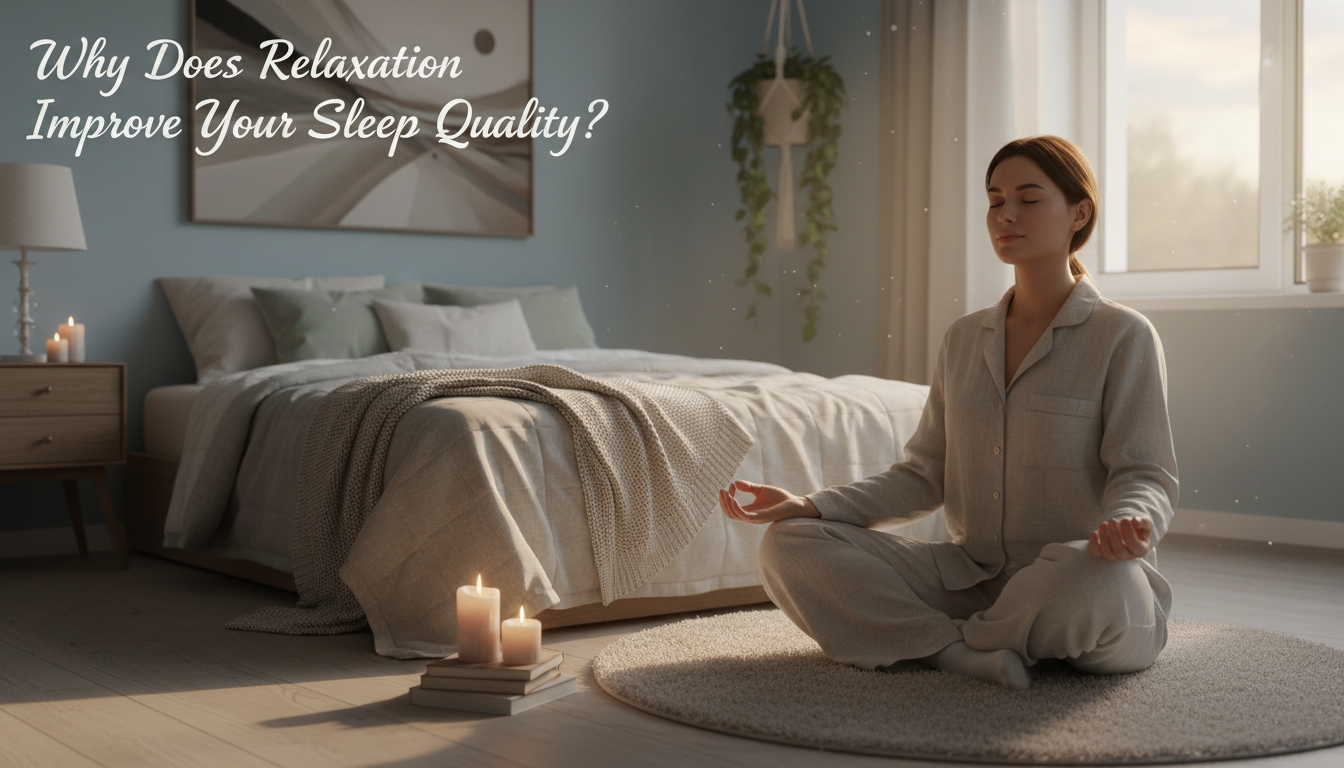
Why Does Relaxation Improve Your Sleep Quality?
When you relax, you lower cortisol and adrenaline, signaling your brain that it’s safe to drift off. Techniques like progressive muscle tension or slow breathing calm the hypothalamic‑pituitary‑adrenal axis, drop heart rate, and trigger parasympathetic activity. This reduces nighttime awakenings, speeds sleep onset, and deepens REM. A consistent pre‑sleep routine and a cool, dim, quiet environment reinforce these effects, so you’ll discover even more ways to boost your sleep.
Key Takeaways
- Relaxation reduces cortisol and adrenaline, lowering hypothalamic‑pituitary‑adrenal axis activity, which eases the transition to sleep.
- Slow, rhythmic breathing activates the parasympathetic nervous system, decreasing heart rate and body temperature, signaling nighttime.
- Progressive muscle relaxation and guided imagery shift brain activity from alertness to calm, shortening sleep latency.
- Consistent pre‑sleep routines create conditioned cues that train the brain to associate specific actions with sleep readiness.
- Cool, dark, and quiet environments, combined with soothing scents, enhance relaxation and support deeper, more restorative REM sleep.
Relaxation That Lowers Stress Hormones for Better Sleep
Ever wondered why a racing mind keeps you awake? When cortisol spikes, your nervous system stays revved up, blocking the transition into deep rest. To calm that surge, try progressive muscle relaxation: tense each muscle group for five seconds, then release. The deliberate shift from tension to ease signals your brain that danger has passed, lowering cortisol and adrenaline. Pair it with a brief mindfulness pause—focus on your breath, notice sensations without judgment, and let thoughts drift away. This simple routine reduces the hypothalamic‑pituitary‑adrenal axis activity, allowing melatonin to rise naturally. You’ll notice faster sleep onset, fewer nighttime awakenings, and more restorative REM cycles. Consistency matters; practice the technique each evening for at least ten minutes. Over weeks, your body learns to associate the ritual with relaxation, making stress‑hormone spikes a rarity and turning restless nights into peaceful slumber.
Slow Breathing to Reset Your Body Clock for Sleep
After calming cortisol with progressive muscle relaxation, you can further align your internal clock by practicing slow breathing. Slow, rhythmic breaths stimulate the parasympathetic nervous system, lowering heart rate and signaling to your brain that night is approaching. Aim for a 4‑7‑8 pattern: inhale for four seconds, hold for seven, exhale for eight. This cadence mirrors the body’s natural circadian rhythm, helping reset the internal clock and prepare you for sleep.
| Phase | Duration (seconds) |
|---|---|
| Inhale | 4 |
| Hold | 7 |
| Exhale | 8 |
| Repeat | 5–6 cycles |
When you repeat this cycle before bed, you lower body temperature, reduce alertness, and reinforce melatonin release. Consistency is key—make slow breathing a nightly ritual, and you’ll notice quicker sleep onset and deeper, more restorative rest.
Three Mind‑Body Practices That Tell Your Brain It’s Time to Sleep
Why not signal your brain that it’s bedtime with three simple mind‑body practices? You can cue the nervous system, calm the inner dialogue, and ease the transition into restorative sleep. Each practice taps a different pathway, yet they converge on the same goal: telling you it’s time to shut down.
- Progressive muscle relaxation – tense each muscle group for five seconds, then release, creating a wave of physical calm that the brain interprets as sleep‑ready.
- Guided imagery – picture a tranquil scene, letting sensory details replace racing thoughts and shift the brain’s default mode toward relaxation.
- Box breathing – inhale for four counts, hold four, exhale four, hold four; the rhythmic pattern stabilizes heart rate and signals the parasympathetic system.
- Gentle yoga stretches – flow through low‑intensity poses that lengthen the spine, release tension, and stimulate melatonin‑supporting pathways.
Integrating these practices nightly trains your brain to associate them with sleep, shortening latency and deepening rest.
How to Build a Pre‑Sleep Routine That Stops Racing Thoughts
How can you silence the mental chatter that keeps you awake? Start by setting a firm “wind‑down” cue—dim lights, a calming scent, and a short, screens‑free window 30 minutes before bed. Use a simple journal: write down three worries, then close the notebook and tell yourself those thoughts are shelved until morning. Follow with a brief body scan, inhaling for four counts, exhaling for six, and visualizing tension melting away. Keep the routine consistent: same order, same timing, same environment, so your brain learns to associate these actions with sleep readiness. Avoid new or stimulating activities; stick to low‑key tasks like gentle stretching or reading a physical book. After the ritual, lie down, focus on the rhythm of your breath, and let any stray thoughts drift like clouds, returning your attention to the inhale‑exhale cycle. This predictable sequence trains your mind to quiet down, paving the way for uninterrupted sleep.
Environment Hacks That Boost Your Relaxation for Sleep
Ever wondered why a cool, dark bedroom feels like a sleep sanctuary? Your environment sends powerful cues to the nervous system, telling it when to wind down. By tweaking temperature, lighting, sound, and scent, you can create a low‑stress zone that nudges your brain into restorative mode. Small, intentional changes cost little but yield big gains in relaxation and sleep depth.
- Temperature: Keep the room between 60‑67 °F (15‑19 °C); a slight coolness lowers core body temperature, signaling bedtime.
- Lighting: Use blackout curtains or a sleep mask; dim amber lamps an sunset, reducing blue‑light exposure that suppresses melatonin.
- Sound: Introduce white noise or gentle nature sounds to mask sudden noises and stabilize heart rate.
- Scent: Diffuse lavender or chamomile; these aromatics activate the parasympathetic nervous system, easing tension.
Implement these hacks consistently, and you’ll notice calmer thoughts, slower breathing, and smoother transitions into deep sleep.
Frequently Asked Questions
Can Certain Foods or Drinks Disrupt Relaxation Before Bedtime?
Yes, caffeine, alcohol, and sugary drinks can spike your heart rate and brain activity, making it harder to unwind. Heavy, spicy meals may cause discomfort or heartburn, disrupting the calm you need before sleep.
Is It Safe to Use Relaxation Apps While Pregnant?
You can safely use relaxation apps while pregnant, but choose ones without strong auditory stimulation or flashing lights, keep sessions short, and consult your doctor if you have any complications or concerns.
Do Relaxation Techniques Affect Sleep Quality for Shift Workers?
Yes, you’ll notice better sleep when you practice relaxation techniques before night shifts; they lower cortisol, calm your nervous system, and help align your circadian rhythm, making falling asleep faster.
How Long Should I Practice Relaxation Before Seeing Sleep Improvements?
You should practice relaxation for at least 10–15 minutes each night, consistently for two to three weeks, before you notice measurable improvements in sleep quality and how fall asleep.
Can Relaxation Improve Sleep for People With Chronic Pain?
Yes, relaxation can improve your sleep despite chronic pain; by lowering stress hormones and easing muscle tension, it helps you fall asleep faster, stay asleep longer, and experience deeper, more restorative rest.
Conclusion
By calming your nervous system, slowing your breath, and practicing mind‑body techniques, you signal to your brain that it’s time to unwind. A consistent pre‑sleep routine and a soothing environment keep racing thoughts at bay, letting stress hormones drop. When you combine these habits, you create a powerful relaxation loop that naturally improves sleep quality, helping you fall asleep faster and stay rested through the night.


Table of Contents



No Comments