
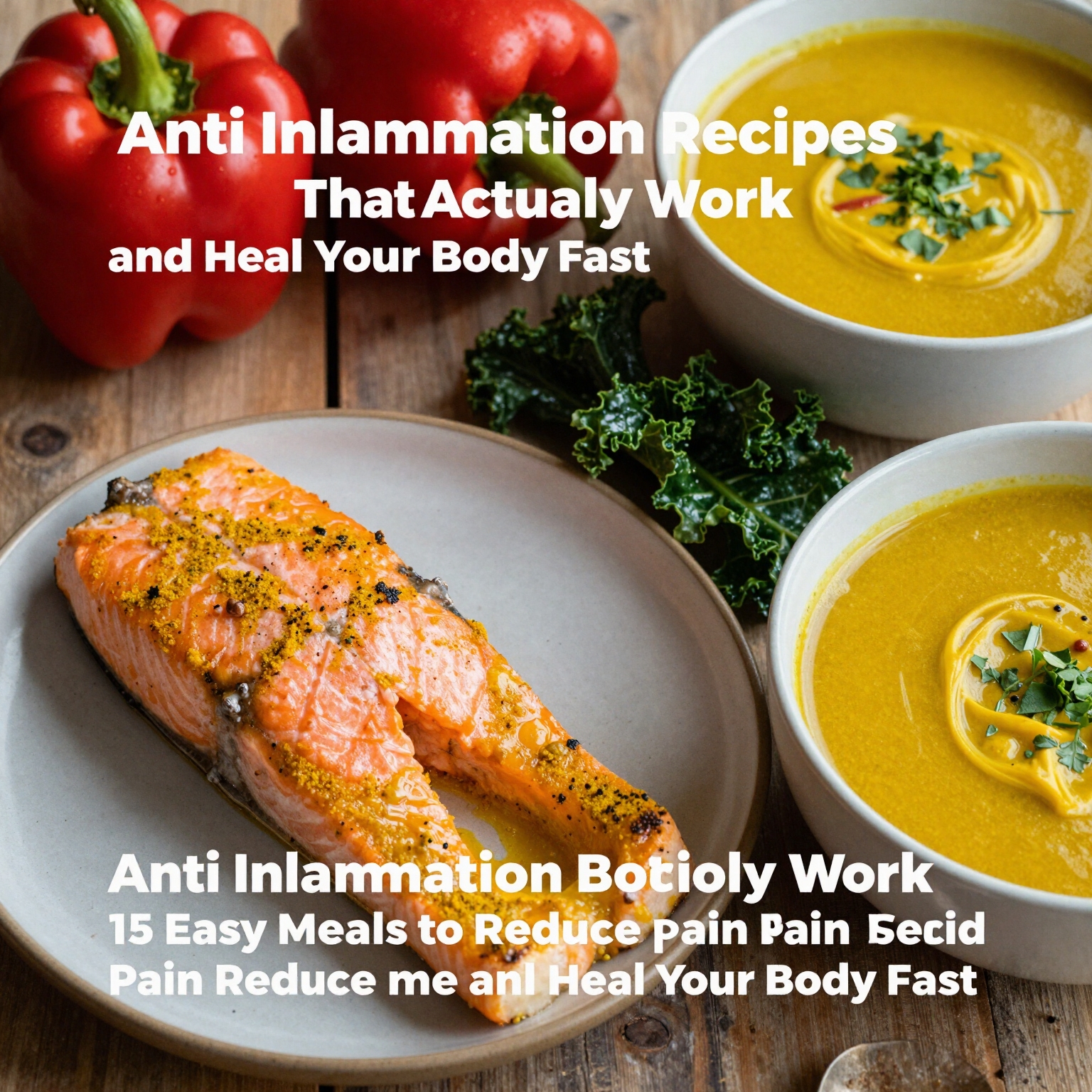
You can curb inflammation fast with 15 simple meals that blend omega‑3‑rich salmon, turmeric‑black‑pepper combos, probiotic‑packed fermented slaw, and fiber‑dense legumes or whole grains. Each dish—like sheet‑pan salmon, garlic‑ginger chickpea stir‑fry, turmeric quinoa Buddha bowl, cumin‑spiced lentil soup, and spicy roasted chickpea snack—delivers antioxidants, healthy fats, and gut‑soothing nutrients while staying quick to prep. Keep reading to discover the full list and how each recipe supports joint relief and faster healing.
Table of Contents
Sheet‑Pan Salmon – Anti‑Inflammatory Meal in One Tray
Ever wondered how a single tray can deliver a powerhouse of anti‑inflammatory benefits? You’ll love this sheet‑pan salmon: preheat the oven to 425 °F, line a rimmed pan with parchment, then place salmon fillets skin‑side down. Drizzle olive oil, sprinkle sea salt, cracked black pepper, and a pinch of turmeric—its curcumin pairs perfectly with black pepper for enhanced absorption.
Add a mix of sliced bell peppers, cherry tomatoes, and broccoli florets; the veggies release lycopene and antioxidants as they roast.
Toss everything with a splash of lemon juice and a few minced garlic cloves for extra anti‑microbial punch. Roast for 12‑15 minutes, until the salmon flakes easily and the vegetables turn caramelized.
The omega‑3s in salmon, combined with the fiber‑rich veggies, curb inflammation and support heart health. Serve straight from the tray for a quick, balanced meal that heals without hassle.
Garlic‑Ginger Chickpea Stir‑Fry – Anti‑Inflammatory Whole‑Wheat Noodles
You’ll love how the garlic‑ginger blend packs a spice‑boosted anti‑inflammatory punch while keeping the dish light.
The whole‑wheat noodles soak up the savory sauce, giving you a balanced, one‑pot meal in minutes.
With chickpeas adding protein and fiber, you get sustained energy without the inflammation.
Spice‑Boosted Anti‑Inflamm Healing Power
What makes a stir‑fry both satisfying and soothing? It’s the quick, high‑heat flash that locks in flavor while preserving nutrients. In your Garlic‑Ginger Chickpea Stir‑Fry, garlic and ginger unleash allicin and gingerol—potent anti‑inflammatory compounds that calm joint pain and support gut health. Add turmeric for a golden hue; its curcumin pairs with a pinch of black pepper to boost absorption. Cumin seeds deepen the earthiness, while sesame oil delivers healthy fats that help your body absorb fat‑soluble antioxidants. Whole‑wheat noodles provide fiber, slowing blood‑sugar spikes that could trigger inflammation. Finish with fresh cilantro and a splash of lime for a bright, cleansing finish that leaves you feeling nourished and pain‑free.

Quick, Balanced One‑Pot Meal
Looking for a fast, satisfying meal that also tames inflammation? This garlic‑ginger chickpea stir‑fry with whole‑wheat noodles packs protein, fiber, and anti‑inflammatory compounds in a single pot. You’ll sauté garlic, ginger, and cumin seeds in sesame oil, then add chickpeas, bell peppers, and spinach. Toss in cooked noodles, a splash of low‑sodium soy sauce, and a pinch of black pepper for extra absorption of turmeric’s curcumin. The dish finishes with fresh cilantro and toasted sesame seeds, delivering antioxidants and gut‑friendly fiber without extra dishes.
- Speed – One‑pot cooking cuts prep and cleanup time.
- Balance – Whole‑wheat noodles supply complex carbs; chickpeas provide plant protein and fiber.
- Anti‑Inflammation – Garlic, ginger, turmeric, and black pepper work synergistically to reduce systemic inflammation.
Turmeric‑Black Pepper Quinoa Buddha Bowl – Anti‑Inflammatory Power
You’ll feel the anti‑inflammatory boost as turmeric’s curcumin teams up with black pepper’s piperine, unlocking maximum absorption.
The fluffy quinoa base supplies protein, fiber, and essential minerals, keeping you satisfied and balanced.
Toss in colorful veggies and a hearty protein like chickpeas, and you’ve got a bowl that’s as tasty as it’s healing.
Synergy of Turmeric and Black Pepper
Why does pairing turmeric with black pepper make a quinoa Buddha bowl a true anti‑inflammatory powerhouse? You’re unlocking curcumin’s full potential: black pepper’s piperine blocks liver enzymes that would otherwise break down curcumin, so you absorb far more of its antioxidant power. Together they calm cytokine storms, protect joint tissue, and support gut lining while the quinoa base supplies protein and fiber for sustained energy.
- Enhanced bioavailability – Piperine boosts curcumin absorption up to 2,000 %.
- Synergistic antioxidant action – Both compounds neutralize free radicals, reducing oxidative stress.
- Flavor balance – Pepper adds a mild heat that tempers turmeric’s earthiness, making the bowl delicious and easy to eat daily.
Nutrient‑Rich Quinoa Base
The turmeric‑black pepper combo unlocks curcumin’s power, and when it’s tossed with fluffy quinoa, the bowl becomes a nutrient‑dense foundation for anti‑inflammatory eating. You’ll start by rinsing quinoa, then cooking it in low‑sodium broth to boost flavor while preserving its complete protein profile. Stir in a pinch of turmeric, freshly cracked black pepper, and a drizzle of extra‑virgin olive oil; the oil helps absorb curcumin and adds healthy monounsaturated fats. As the grains swell, they lock in magnesium, iron, and fiber, which stabilize blood sugar and support gut health. The resulting base stays warm, airy, and ready to carry any toppings you choose, delivering a steady release of anti‑inflammatory compounds throughout the meal.
Flavorful Veggie and Protein Mix
A vibrant mix of roasted bell peppers, sweet‑potato cubes, and sautéed shiitake mushrooms sits atop the turmeric‑black pepper quinoa, while protein‑rich chickpeas and a drizzle of sesame oil tie everything together, delivering a colorful, nutrient‑dense bowl that fuels your body with anti‑inflammatory antioxidants and omega‑3‑boosting fats. You’ll notice how the black pepper unlocks turmeric’s curcumin, while the chickpeas provide steady protein and fiber to keep blood sugar stable. The sesame oil adds a subtle nutty finish and healthy fats that support cellular repair. This bowl is quick to assemble, adaptable to seasonal veg, and perfect for meal‑prep.
- Roast vegetables for deep flavor and added antioxidants.
- Toss chickpeas with cumin and a pinch of sea salt for extra anti‑inflammatory spice.
- Finish with a drizzle of sesame oil and a sprinkle of toasted sesame seeds.
Cumin‑Spiced Lentil Soup – Anti‑Inflammatory Comfort
Cumin‑spiced lentil soup delivers comforting warmth while dialing down inflammation, thanks to protein‑rich lentils, anti‑inflammatory cumin, and a splash of turmeric‑enhanced broth. You’ll start by sautéing garlic and ginger in olive oil, then stir in cumin seeds until they toast and release their earthy aroma. Add rinsed red lentils, diced carrots, and a pinch of black pepper, then pour in low‑sodium vegetable broth mixed with turmeric and a dash of lemon juice. Simmer until lentils soften, then blend half the pot for a creamy texture while leaving some beans whole for bite. Finish with fresh cilantro and a drizzle of extra‑virgin olive oil for added antioxidants. This one‑pot dish packs fiber, plant protein, and anti‑oxidants that help stabilize blood sugar and curb inflammatory pathways. Serve hot, and you’ll feel a soothing, gut‑friendly meal that supports recovery without excess calories.
Sesame‑Seed Tofu Stir‑Fry – Anti‑Inflammatory Dinner
Craving a quick, flavor‑packed dinner that also tames inflammation? This Sesame‑Seed Tofu Stir‑Fry delivers protein, healthy fats, and antioxidant‑rich veggies in under 30 minutes. Marinate firm tofu in a blend of soy sauce, ginger, and a dash of turmeric, then toss it in sesame oil until golden. Add bell peppers, snap peas, and shredded carrots, stirring constantly to preserve crunch. Finish with toasted sesame seeds, a splash of lime, and a pinch of black pepper for extra anti‑inflammatory punch. Serve over whole‑wheat noodles or cauliflower rice for a balanced meal that supports gut health and reduces pain.
Why this works:

- Sesame oil & seeds supply lignans and fiber that curb inflammation.
- Ginger & turmeric boost antioxidant activity and improve absorption of nutrients.
- Colorful vegetables provide lycopene, vitamin C, and phytonutrients that protect cells.
Pickled Veggie Wraps – Anti‑Inflammatory Lunch
Looking for a lunchtime fix that both satisfies cravings and fights inflammation? Grab a whole‑grain tortilla, spread hummus, then pile on quick‑pickled carrots, red cabbage, and cucumber ribbons. The vinegar‑based brine delivers probiotics that calm gut inflammation, while the crunchy veggies supply antioxidants and fiber. Add a handful of chickpeas for plant protein and a drizzle of sesame oil mixed with turmeric and a pinch of black pepper to boost anti‑inflammatory power. Finish with fresh cilantro and a squeeze of lime for bright flavor and extra phytonutrients. Roll it tightly, slice in half, and enjoy a portable, balanced meal that steadies blood sugar and supports gut health. This wrap packs omega‑3‑rich sesame seeds, ginger‑spiced pickles, and low‑glycemic legumes, making it an ideal midday antidote to swelling and pain. You’ll feel satisfied, energized, and on track toward faster healing.
Roasted Sweet‑Potato & Carrot Medley – Anti‑Inflammatory Side
When you roast sweet potatoes and carrots together, their natural sugars caramelize, creating a sweet‑savory base that’s packed with antioxidants and fiber. The high beta‑carotene and vitamin C content helps neutralize free radicals, while the fiber steadies blood sugar and supports gut health. Toss the veggies with extra‑virgin olive oil, a pinch of sea salt, and a dash of smoked paprika for an extra anti‑inflammatory kick. Roast on a sheet pan at 425 °F for 25‑30 minutes, stirring halfway, until edges crisp and interiors tender. Finish with a squeeze of lemon juice and a sprinkle of fresh cilantro to boost flavor and phytonutrients.
Why this side works:
- Whole‑food synergy – combining root vegetables maximizes antioxidant diversity.
- Healthy fats – olive oil enhances absorption of fat‑soluble vitamins.
- Spice power – smoked paprika adds polyphenols that further reduce inflammation.
Coconut‑Milk Butterbean Curry – Anti‑Inflammatory Dinner
After the caramelized sweet‑potato and carrot side, a warm, silky curry pairs perfectly with the same anti‑inflammatory principles. In this coconut‑milk butterbean curry you’ll blend creamy coconut milk, turmeric, ginger, and garlic—each a proven inflammation fighter. Rinse a cup of butterbeans, then simmer them in the coconut broth with a splash of lime juice for brightness. Add cumin seeds and a pinch of black pepper to boost curcumin absorption, and toss in chopped bell peppers for extra lycopene and vitamin C. Let the mixture bubble gently until the beans are tender and the sauce thickens, then finish with fresh cilantro for a burst of antioxidants. Serve the curry over quinoa or brown rice, and you’ll have a balanced dinner that delivers protein, fiber, and omega‑3‑rich nutrients while keeping preparation time under 30 minutes. Enjoy the soothing, anti‑inflammatory benefits with every spoonful.
Quick One‑Pot Chickpea & Quinoa Pilaf – Anti‑Inflammatory Meal
You’ll love how this one‑pot chickpea and quinoa pilaf brings flavor and simplicity together in minutes.
The combo of protein‑rich chickpeas, antioxidant‑packed quinoa, turmeric, and cumin delivers a balanced anti‑inflammatory nutrient profile.
With minimal prep and a single pot, you get maximum health benefits without the hassle.
Flavorful One‑Pot Simplicity
Craving a hearty, anti‑inflammatory dinner without juggling multiple pans? This one‑pot chickpea‑quinoa pilaf delivers bold flavor, balanced nutrition, and minimal cleanup. You’ll combine protein‑rich chickpeas, antioxidant‑packed quinoa, and aromatic spices—turmeric, cumin, and a pinch of black pepper—to boost anti‑inflammatory compounds while keeping the dish simple. The broth melds everything together, so you can stir, cover, and let it simmer until fluffy and fragrant.
- Layer flavors early – sauté garlic, ginger, and spices before adding grains.
- Use low‑sodium broth – it enhances taste without excess salt, supporting joint health.
- Finish with fresh cilantro – a bright garnish adds extra antioxidants and visual appeal.
Anti‑Inflammatory Nutrient Balance
Five ingredients—chickpeas, quinoa, garlic, ginger, and turmeric—combine in a single pot to deliver a perfectly balanced anti‑inflammatory meal. You’ll get plant protein and fiber from chickpeas, complete amino acids and magnesium from quinoa, and potent antioxidants from garlic, ginger, and turmeric. Black pepper boosts curcumin absorption, while a splash of olive oil adds healthy monounsaturated fats that aid nutrient uptake. The dish supplies omega‑3‑rich alpha‑linolenic acid if you stir in a few walnuts, and the fiber stabilizes blood sugar, preventing spikes that trigger inflammatory pathways. By pairing these components, you create a synergistic nutrient profile that supports gut health, reduces oxidative stress, and promotes faster recovery from pain‑related inflammation.
Quick Prep, Maximum Benefits
After balancing chickpeas, quinoa, garlic, ginger, and turmeric, the next step is to translate that synergy into a speedy, one‑pot meal. You’ll sauté the aromatics in sesame oil, then stir in the legumes and grain, adding just enough broth to cover everything. Bring it to a boil, cover, and simmer for 12‑15 minutes—no extra pans, no mess. As the liquid absorbs, the turmeric and black pepper unlock anti‑inflammatory compounds, while the chickpeas supply steady protein and fiber. Finish with a squeeze of lemon and a sprinkle of fresh cilantro for a bright, healing boost.
- Prep in under 5 minutes – pre‑soak quinoa, rinse chickpeas, and measure spices.
- Cook in one pot – reduces cleanup and retains nutrients.
- Serve immediately – maximizes antioxidant potency and flavor.
Anti‑Inflammatory Breakfast Options (Parfait, Smoothie, Oat Bowl)
Ever wonder how a single breakfast can jump‑start your anti‑inflammatory regime? A layered parfait with Greek yogurt, fresh berries, and a sprinkle of chia seeds delivers probiotics, antioxidants, and omega‑3s in one bowl. Swap dairy for coconut yogurt if you’re dairy‑free, then add a drizzle of raw honey and a pinch of turmeric for extra relief—black pepper boosts its absorption.
For a smoothie, blend frozen spinach, half a banana, a scoop of plant‑based protein, a handful of walnuts, and a splash of almond milk; toss in ginger and a dash of cinnamon for gut‑soothing spice.
Finally, an oat bowl cooked in oat milk, topped with sliced apples, toasted sesame seeds, and a spoonful of almond butter, gives you soluble fiber, healthy fats, and anti‑inflammatory phytonutrients. Each option is quick, balanced, and designed to curb inflammation before you even leave the kitchen.
Fermented Apple‑Cabbage Slaw for Grilled Fish – Anti‑Inflammatory Side
Looking for a quick, gut‑friendly side that boosts the anti‑inflammatory power of your grilled fish? This fermented apple‑cabbage slaw delivers crunch, tang, and probiotic benefits while keeping calories low. Start by shredding half a green cabbage and one crisp apple, then toss with 1 Tbsp sea salt and let it sit 15 minutes to draw out moisture. Mix in ½ cup whey or coconut‑based starter, 1 tsp grated ginger, and a splash of apple cider vinegar; cover and refrigerate for 12‑24 hours. The result is a vibrant, tangy slaw that pairs perfectly with smoky fish, adds fiber, and feeds gut‑friendly bacteria.
Why it works
- Probiotics – Fermentation creates live cultures that calm intestinal inflammation.
- Fiber & polyphenols – Cabbage and apple supply antioxidants that protect cells.
- Ginger & vinegar – Both enhance digestion and further reduce inflammatory markers.
Spicy Black‑Pepper Broccoli & Cauliflower Sheet‑Pan Roast – Anti‑Inflammatory Veggies
Craving a quick, flavor‑packed veggie side that tames inflammation? Toss broccoli and cauliflower florets with olive oil, minced garlic, and a generous pinch of freshly ground black pepper. Add a splash of lemon juice and a drizzle of honey for a subtle sweet‑sour balance, then spread the mixture on a sheet pan. Roast at 425°F for 20‑25 minutes, shaking the pan halfway to ensure even caramelization. The high heat triggers the formation of sulforaphane, a potent antioxidant, while black pepper enhances turmeric‑like bioavailability of other phytochemicals. Once crisp‑tender, sprinkle toasted sesame seeds and a handful of chopped cilantro for extra anti‑inflammatory power and texture. Serve hot as a side or toss with quinoa for a light main. This one‑pan method cuts prep time, reduces cleanup, and delivers a nutrient‑dense, pain‑relieving dish that fits any busy schedule.
Lemon‑Garlic Tofu & Brown Rice Bowl With Turmeric‑Drizzled Veggies – Anti‑Inflammatory Dinner
Want a dinner that soothes inflammation while delivering bold flavor? This Lemon‑Garlic Tofu & Brown Rice Bowl packs anti‑inflammatory power in every bite. Marinate firm tofu in lemon juice, minced garlic, and a splash of tamari, then pan‑sear until golden. Cook brown rice with a pinch of turmeric and black pepper to boost absorption of curcumin. Toss broccoli, carrots, and bell peppers in olive oil, sprinkle with cumin and turmeric, and roast until caramelized; drizzle the veggies with a turmeric‑lime sauce for extra zing. Finish with fresh cilantro and a sprinkle of sesame seeds for antioxidants and healthy fats.
Why this bowl works:
- Turmeric + black pepper maximizes anti‑inflammatory curcumin uptake.
- Lemon and garlic provide vitamin C and allicin, supporting immune function.
- Whole‑grain brown rice offers fiber that steadies blood sugar, reducing inflammatory spikes.
Enjoy a balanced, flavorful meal that nourishes joints, gut, and overall health.
Warm Mushroom‑Miso Soup With Sesame Oil & Cilantro – Anti‑Inflammatory Warmth
A bowl of warm mushroom‑miso soup delivers soothing heat and anti‑inflammatory benefits in just minutes. You start by sautéing sliced shiitake and crimini mushrooms in a splash of sesame oil, letting their umami deepen. Add low‑sodium miso paste, vegetable broth, and a pinch of ginger; stir until the miso dissolves without boiling, preserving its probiotics. Simmer for five minutes, then finish with a drizzle of toasted sesame oil and a handful of fresh cilantro. The sesame oil supplies sesamol, a potent antioxidant, while cilantro adds flavonoids that calm inflammation. This one‑pot dish packs fiber, B‑vitamins, and polysaccharides from the mushrooms, supporting gut health and immune balance. Serve it hot, and you’ll feel a gentle, anti‑inflammatory warmth spreading through your body, ideal for post‑workout recovery or a cozy evening.
Spicy Roasted Chickpea & Sesame Seed Snack – Anti‑Inflammatory Quick Bite
Ever wondered how a simple snack can curb inflammation while satisfying your spice cravings? This crunchy chickpea bite packs anti‑inflammatory power in minutes. Toss canned chickpeas with olive oil, smoked paprika, cumin, and a pinch of black pepper. Roast on a sheet pan until crisp, then sprinkle toasted sesame seeds and a drizzle of sesame oil for extra fiber and healthy fats. The combination delivers omega‑3‑rich sesame, fiber‑dense legumes, and capsaicin‑boosted spices that calm joint pain and support gut health. Keep a batch in a sealed jar for on‑the‑go snacking, or share it at meetings for a guilt‑free, fiery treat.
- Add turmeric with a dash of black pepper to boost curcumin absorption.
- Finish with fresh cilantro for a bright, antioxidant‑rich garnish.
- Swap olive oil for avocado oil for extra monounsaturated fats and a higher smoke point.
Frequently Asked Questions
Can I Substitute Tofu for Salmon in the Sheet‑Pan Recipe?
Yes, you can swap tofu for salmon in the sheet‑pan dish; just press and cube the tofu, toss it with the same herbs and oil, and bake until golden, keeping the cooking time similar.
How Long Should I Marinate the Chickpeas for Optimal Flavor?
You should marinate the chickpeas for at least 30 minutes, but for deeper flavor let them sit up to two hours; the longer they soak, the more the spices and oil will penetrate.
Is Fresh Turmeric as Effective as Dried Turmeric in the Quinoa Bowl?
You’ll find fresh turmeric just as potent as dried, especially when you grate it right before mixing it into the quinoa bowl; its volatile oils stay intact, delivering comparable anti‑inflammatory benefits.
Can I Replace Coconut Milk With Almond Milk in the Butterbean Curry?
Yes, you can swap coconut milk for almond milk, but expect a thinner sauce and milder richness. Boost flavor with extra ginger, garlic, or a splash of lime, and keep the spice balance intact.
Do I Need to Pre‑Soak Quinoa for the One‑Pot Chickpea Pilaf?
You don’t have to pre‑soak quinoa for a one‑pot chickpea pilaf; just rinse it, then toast briefly before adding broth. The liquid will hydrate it fully, keeping the dish quick and flavorful.
Conclusion
You’ve got a toolbox of tasty, anti‑inflammatory meals that fit any schedule. From sheet‑pan salmon to quick chickpea snacks, each recipe packs pain‑busting ingredients while staying simple and delicious. Keep these dishes on hand, rotate them often, and watch inflammation melt away as your body feels stronger, lighter, and healthier every day.


Sorry, the comment form is closed at this time.