
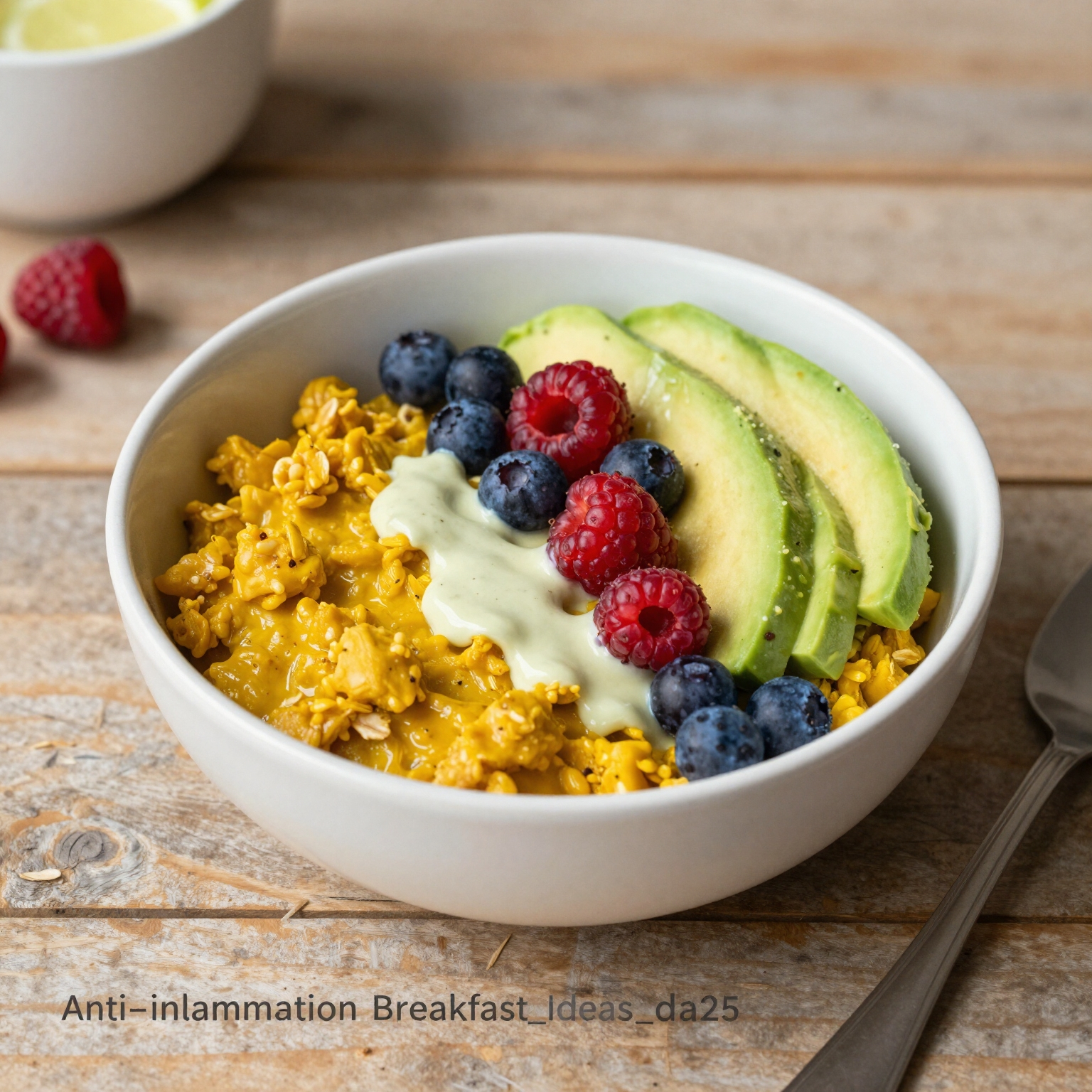
You can curb bloating and pain fast by choosing a breakfast that mixes soluble fiber, omega‑3‑rich chia, healthy fats, and easy‑digest protein. Soluble fiber from oats or sprouted grains pulls water into the gut, smoothing transit, while chia and avocado coat the stomach lining and calm inflammation. Add a protein source like eggs, fermented yogurt, or tofu to steady blood sugar and support gut motility. Pair this base with berries, leafy greens, and a ginger‑infused green tea for extra antioxidants, and you’ll feel relief in minutes—keep going to discover specific recipes and quick prep tricks.
Table of Contents
Why This Breakfast Stops Bloating Fast
Why does this breakfast curb bloating so quickly? You’re loading your gut with soluble fiber from oats and chia, which draws water into the intestines and smooths transit, preventing gas‑forming pockets.
The healthy fats in avocado and nuts coat the stomach lining, slowing gastric emptying and reducing the rapid fermentation that creates discomfort.
Omega‑3s from chia also calm the inflammatory response that often amplifies bloating sensations.
Adding a protein punch—egg or fermented yogurt—stabilizes insulin, keeping blood sugar steady and discouraging the water retention that follows spikes.
The prebiotic fiber feeds beneficial bacteria, which outcompete gas‑producing microbes and produce short‑chain fatty acids that improve gut motility.
Finally, the low‑FODMAP fruit choices, like berries, limit fermentable carbs that would otherwise feed bloating‑causing bacteria.
Together, these elements create a balanced, anti‑inflammatory start that eases swelling within minutes.
Core Anti‑Inflammatory Nutrition Principles
You’ll feel best when you choose whole foods over processed ones, because they’re packed with natural nutrients that keep inflammation low.

Balance your macros by pairing protein, healthy fats, and fiber‑rich carbs in every breakfast, which steadies insulin and supports gut health.
This simple framework lets you build meals that target pain and bloating without extra hassle.
Prioritize Whole Foods
How can you keep inflammation at bay before the day even starts? Choose whole foods that retain their natural fiber, nutrients, and phytonutrients. Swap refined cereals for oats, sprouted grains, or quinoa; they slowly release glucose and feed gut‑friendly bacteria. Add a handful of berries or sliced kiwi for antioxidants that neutralize free radicals. Include avocado or a sprinkle of nuts for healthy fats that modulate inflammatory pathways. Load your plate with leafy greens, kale, or spinach—rich in vitamins and anti‑inflammatory compounds. Opt for fresh, unprocessed vegetables like sweet potatoes or mushrooms, which provide resistant starch and bioactive compounds. By focusing on minimally processed, nutrient‑dense ingredients, you set a solid anti‑inflammatory foundation for the entire day.
Balance Macro Nutrients
Ever wondered how a well‑balanced macro profile can keep inflammation in check from the moment you sit down to eat? You’ll want roughly 30‑35 % protein, 30‑35 % healthy fats, and 30‑40 % complex carbs. Protein from eggs, Greek yogurt, or tofu steadies insulin and fuels muscle repair. Healthy fats—avocado, nuts, chia seeds—supply omega‑3s that curb cytokine storms. Complex carbs like sprouted oats, quinoa, or whole‑grain toast provide fiber and resistant starch, feeding gut microbes that modulate immunity. Pair each macro with antioxidant‑rich berries or leafy greens for added anti‑inflammatory power. Keep portions moderate, avoid refined sugars, and you’ll maintain steady blood glucose, reduce bloating, and keep systemic inflammation at bay.
Best Whole‑Grain & Resistant‑Starch Bases for an Anti‑Inflammatory Breakfast
What makes a breakfast truly anti‑inflammatory? It starts with a base that supplies fiber, resistant starch, and steady carbs. Choose sprouted oats, which are easier to digest than rolled oats and release glucose slowly, keeping insulin calm. Bulgur wheat offers a chewy texture, high beta‑glucan, and prebiotic fiber that feeds good gut bacteria. Quinoa delivers complete protein and resistant starch, preventing blood‑sugar spikes that trigger inflammation. Whole‑grain bread, especially sourdough made from whole‑wheat flour, adds fermentable fiber without refined carbs. Sweet potatoes, when roasted, become a starchy powerhouse rich in beta‑carotene and resistant starch, supporting gut health and reducing inflammatory markers. Mix these grains with a handful of nuts or seeds for healthy fats, and you’ll have a balanced, anti‑inflammatory foundation that curbs pain and bloating fast.
Fermented & Prebiotic Pairings for an Anti‑Inflammatory Breakfast
You can boost gut health by pairing probiotic‑rich yogurt with crunchy, fiber‑filled toppings like berries, nuts, or chia seeds.
Adding a prebiotic‑focused oat base—think overnight oats mixed with sliced banana or a splash of kefir—feeds the good bacteria and steadies blood sugar.
These simple combos give you a tasty, anti‑inflammatory start without extra fuss.
Probiotic‑Rich Yogurt Combos
Mixing probiotic‑rich yogurt with prebiotic toppings creates a breakfast that instantly fuels your gut and curbs inflammation. You’ll want a plain, full‑fat Greek yogurt for maximum live cultures, then layer in sliced banana, a sprinkle of chia seeds, and a handful of toasted oats.
The banana supplies resistant starch, while chia adds omega‑3s and extra fiber, both feeding beneficial bacteria. Swap oats for ground flaxseed or add a drizzle of raw honey for a gentle sweetness that won’t spike blood sugar.

For extra antioxidants, toss in blueberries or raspberries; their anthocyanins protect cells from inflammatory damage. Finish with a pinch of cinnamon to stabilize glucose and enhance anti‑inflammatory effects, delivering a balanced, gut‑supportive start to your day.
Prebiotic Fiber‑Focused Oat Pairings
Ever wondered how a simple bowl of oats can become a gut‑boosting powerhouse? You can turn plain oats into a prebiotic engine by mixing in fermented foods and fiber‑rich toppings that feed beneficial bacteria while soothing inflammation. Choose sprouted oats for extra resistant starch, then pair them with a splash of kefir, a spoonful of chia seeds, and a handful of sliced banana for natural prebiotics. The combination balances blood sugar, supports gut health, and reduces bloating.
- Add kimchi or sauerkraut for a probiotic punch.
- Stir in cooked lentils or chickpeas for extra fiber.
- Sprinkle toasted flaxseed for omega‑3s and crunch.
5 Quick Anti‑Inflammatory Breakfasts You Can Make in 10 Minutes
Looking for a breakfast that tames inflammation without stealing your morning? Try a spinach‑berry smoothie: blend a handful of spinach, frozen mixed berries, a scoop of pea protein, chia seeds, and unsweetened almond milk for a ‑minute antioxidant burst.
Next, whisk two eggs with diced tomatoes and a pinch of turmeric, then scramble in a drizzle of olive oil for a protein‑rich, anti‑inflammatory plate.
For a grain‑based option, microwave sprouted oats with water, stir in sliced banana, walnuts, and a dash of cinnamon, then top with a spoonful of kefir for gut‑friendly probiotics.
A quick tofu‑mushroom scramble works too—cube firm tofu, sauté with sliced mushrooms, kale, and a splash of tamari, finishing with avocado slices for healthy fats.
Finally, assemble a Mediterranean avocado toast: spread mashed avocado on whole‑grain toast, sprinkle hemp seeds, add cucumber ribbons, and drizzle lemon juice for a fresh, fiber‑dense bite.
Each recipe stays under ten minutes and packs omega‑3s, antioxidants, and protein to curb pain and bloating.
Quick Prep Techniques: Chia Pudding, No‑Bake Bites, One‑Pan Roasts
After those ten‑minute recipes, you can keep the momentum going with ultra‑quick prep methods that let you assemble anti‑inflammatory breakfasts in minutes. Master three go‑to techniques: chia pudding for a grab‑and‑go bowl, no‑b bites for satisfying bites that need no oven, and one‑pan roasts that combine protein, veg, and healthy fats in a single skillet. Each method locks in omega‑3s, antioxidants, and fiber while minimizing cleanup.
- Chia pudding: Mix chia seeds, plant‑based milk, a dash of cinnamon, and a handful of berries; let sit 5 minutes for a thick, nutrient‑dense start.
- No‑bites: Combine rolled oats, nut butter, chopped nuts, and dried fruit; press into a tray and chill until firm.
- One‑pan roasts: Toss sweet potatoes, broccoli, and diced chicken with olive oil and turmeric; roast 15 minutes, stirring once.
These tricks keep you fueled, reduce bloating, and stay anti‑inflammatory without sacrificing speed.
Vegan, Paleo & Low‑FODMAP Breakfast Tweaks
Often you can adapt anti‑inflammatory breakfast staples to fit vegan, paleo, or low‑FODMAP diets without sacrificing flavor or nutrients. Swap dairy‑based yogurt for coconut‑milk kefir, then stir in chia seeds, blueberries, and a pinch of ginger for omega‑3s and antioxidants. For paleo, replace oats with sprouted quinoa flakes; add mashed avocado, pumpkin seeds, and a drizzle of olive oil to keep healthy fats intact. Low‑FODMAP eaters can enjoy a warm sweet‑potato mash topped with sliced banana, spinach, and a spoonful of almond butter, avoiding high‑FODMAP legumes and wheat. Use tofu or tempeh scrambled with turmeric, kale, and sliced mushrooms to supply protein and anti‑inflammatory phytochemicals while staying grain‑free. Finish with a cup of ginger‑infused green tea, which calms the gut and boosts antioxidant intake. These tweaks preserve the core benefits—fiber, healthy fats, and antioxidants—while respecting each dietary constraint.
Fix Common Breakfast Bloating & Pain Issues
Even if you’ve customized your breakfast for vegan, paleo, or low‑FODMAP needs, bloating and discomfort can still sneak in. The trick is to pinpoint the culprits and adjust portion size, timing, and preparation. First, cut back on high‑FODMAP fibers that ferment quickly—think large servings of beans or raw cruciferous veggies. Second, add a modest amount of easily digestible protein to stabilize blood sugar and keep gut motility smooth. Finally, hydrate before and after eating; water helps move fiber through the intestines without creating gas.
- Swap raw onions for caramelized ones to lower sulfur compounds.
- Replace dairy milk with almond or oat milk to avoid lactose spikes.
- Limit fruit portions to one cup and pair with protein or healthy fat.
These small swaps keep you feeling light, reduce abdominal pain, and let the anti‑inflammatory ingredients in your breakfast work their magic.
Frequently Asked Questions
Do Anti‑Inflammatory Breakfasts Affect Menstrual Cramps?
Yes, anti‑inflammatory breakfasts can ease menstrual cramps. You’ll lower prostaglandin spikes, stabilize blood sugar, and soothe gut inflammation, which together reduce uterine pain and bloating.
Can I Substitute Dairy Yogurt With Plant‑Based Alternatives Without Losing Benefits?
Yes, you can swap dairy yogurt for plant‑based versions and still get probiotics, protein, and calcium—just choose fortified, live‑culture options and pair them with berries or chia seeds for extra anti‑inflammatory benefits.
How Many Grams of Fiber Should I Aim for Each Morning?
You should target roughly 8‑10 grams of fiber each morning. Mix oats, berries, chia seeds, or a leafy‑green smoothie to hit that range, keeping blood sugar steady and gut health happy.
Are There Specific Spices That Boost Anti‑Inflammatory Effects?
You can add turmeric, ginger, cinnamon, and black pepper to your breakfast. These spices activate anti‑inflammatory pathways, lower cytokine levels, and improve digestion, giving you quicker relief from pain and bloating.
Will a High‑Protein Breakfast Prevent Afternoon Energy Crashes?
Yes, a high‑protein breakfast stabilizes your blood sugar, keeps insulin steady, and fuels you through the afternoon, so you’ll dodge those energy crashes and stay focused without feeling sluggish.
Conclusion
You’ve got the tools to curb bloating and pain before the day even starts. By choosing whole‑grain or resistant‑starch bases, pairing them with fermented or prebiotic foods, and keeping prep under ten minutes, you’ll fuel your body with anti‑inflammatory power. Adjust the recipes for vegan, paleo, or low‑FODMAP needs, and you’ll consistently feel lighter, less uncomfortable, and ready to tackle anything 2025 throws at you.


Sorry, the comment form is closed at this time.