
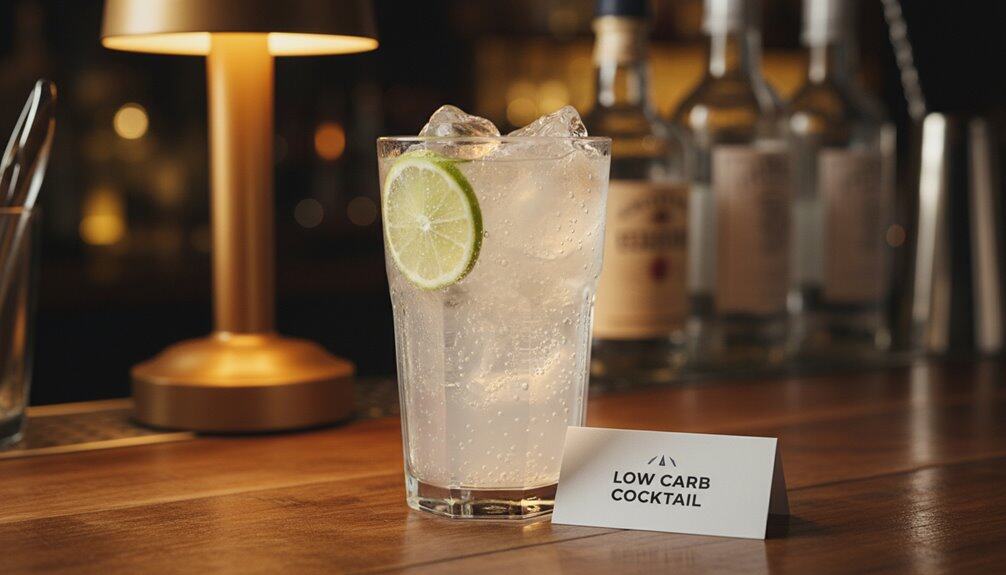
Vodka Soda Calories: The Low-Carb Cocktail Hack Bartenders Prefer Over White Claw in 2025
A standard vodka soda contains approximately 96 calories compared to White Claw’s 100-110 calories per serving, but the real advantage isn’t just the calorie count—it’s how your body processes pure ethanol versus hard seltzer’s residual sugars. You’ll get zero carbs with vodka soda since it’s just alcohol, water, and soda water, while hard seltzers often contain added sugars that can impact your metabolism. Professional bartenders can also customize your drink with premium spirits and fresh garnishes for optimal flavor and caloric control.
Key Takeaways
- Vodka sodas contain approximately 96 calories compared to White Claw’s 100-110 calories per serving, offering a lower-calorie alternative.
- Unlike hard seltzers with residual sugars, vodka sodas contain only ethanol calories from pure alcohol and water.
- Bartenders prefer vodka sodas because they can control alcohol strength and use premium spirits for superior taste.
- Fresh lime garnish provides natural flavor without artificial sweeteners or additives found in mass-produced hard seltzers.
- The simple composition of vodka and soda water creates a zero-carb cocktail ideal for low-carb dietary strategies.
Calorie Breakdown: Why Vodka Sodas Beat Hard Seltzers for Weight Management
When you’re tracking calories for weight management, vodka sodas consistently deliver fewer calories per serving than most hard seltzers on the market. A standard vodka soda contains approximately 96 calories from 1.5 ounces of vodka plus zero-calorie soda water. Most hard seltzers pack 100-110 calories per 12-ounce can, with added sugars contributing to their caloric density.
Your body processes alcohol metabolism differently than other macronutrients, temporarily halting fat burning while metabolizing ethanol first.
Since vodka contains only alcohol and water without added sugars or artificial sweeteners, you’re consuming pure ethanol calories.
Hard seltzers often include residual sugars from fermentation and artificial flavoring compounds that increase total caloric content.
This makes vodka sodas the more efficient choice when you’re minimizing caloric intake while enjoying alcoholic beverages.
The Bartender’s Case: Premium Customization vs. Mass-Produced Alternatives
Beyond calorie counting, bartenders champion vodka sodas because they offer complete control over quality and customization that mass-produced hard seltzers can’t match.
When you order a vodka soda, you’re getting a handcrafted experience that elevates your drinking:
- Premium spirit selection – Choose top-shelf vodka instead of generic alcohol bases
- Fresh lime garnish – Real citrus adds flavor without artificial additives
- Adjustable strength – Control alcohol content to match your preferences
- Quality mixers – Select premium soda water for better taste and texture
This ingredient sourcing flexibility means you’re not stuck with predetermined flavors or quality levels.
The service experience becomes interactive, allowing you to specify exactly what you want.
While White Claw delivers consistency, vodka sodas deliver personalization that mass production simply can’t replicate.
Making the Perfect Low-Carb Vodka Soda at Home and Ordering Like a Pro
The key is consistency: same proportions, fresh ingredients, and proper glassware.
Whether you’re home bartending or ordering out, these fundamentals ensure your low-carb cocktail delivers maximum flavor with minimal calories every time.
Frequently Asked Questions
Can Vodka Sodas Help With Keto Diet Goals?
Yes, vodka sodas can support your keto goals since they’re virtually carb-free.
You’ll consume roughly 100 calories without breaking ketosis.
They’re perfect for macro tracking because they won’t impact your daily carb limits.
When meal pairing, you can enjoy them with high-fat, low-carb foods without worrying about exceeding your macros.
Just remember to account for the alcohol calories in your daily totals.
What’s the Shelf Life of Opened Vodka for Cocktails?
You’ll find opened vodka lasts indefinitely when stored properly, as its high alcohol content prevents spoilage.
Unlike wine, vodka doesn’t experience significant oxidation effects that compromise quality over time.
For optimal cocktail performance, follow these storage tips: keep your bottle tightly sealed, store it upright in a cool, dark place, and avoid temperature fluctuations.
Your vodka sodas will taste just as crisp years later.
Are There Any Health Risks From Drinking Vodka Sodas Daily?
Yes, you’ll face serious health risks from daily vodka soda consumption.
You’re putting yourself at risk for liver damage since alcohol metabolizes into toxic compounds that strain your liver over time.
You’ll also develop electrolyte imbalance because alcohol acts as a diuretic, depleting essential minerals like sodium and potassium.
Daily drinking can lead to dependency, increased tolerance, and long-term organ damage.
Which Vodka Brands Have the Lowest Calorie Content per Shot?
All vodkas contain identical calories per shot regardless of brand rankings – roughly 97 calories per 1.5-ounce serving at 80 proof.
Your proof analysis matters more than brand choice: higher proof means more calories, while lower proof reduces them.
Whether you’re drinking Tito’s, Grey Goose, or Smirnoff, you’ll get the same caloric content.
Focus on proof percentage rather than premium branding for calorie control.
Can Diabetics Safely Drink Vodka Sodas Without Blood Sugar Spikes?
You can generally drink vodka sodas without major blood sugar spikes since vodka contains zero carbohydrates and soda water adds no sugar.
However, you’ll need careful insulin timing adjustments because alcohol can lower blood glucose hours later.
Maintain strict glycemic monitoring before, during, and after drinking.
Always consult your healthcare provider about alcohol consumption with diabetes, as individual responses vary significantly based on medications and overall health status.
Conclusion
You’ll save calories and gain control by switching to vodka sodas over hard seltzers. You’re getting fewer calories, zero carbs, and premium ingredients you can customize. When you’re ordering out, you’ll impress bartenders who prefer crafting quality drinks over opening cans. At home, you’ll master the simple ratio and choose your own flavors. You’re making the smarter choice for your health and taste buds in 2025.


Table of Contents






No Comments