
Best Organic Vegetables for Authentic Mediterranean Meals
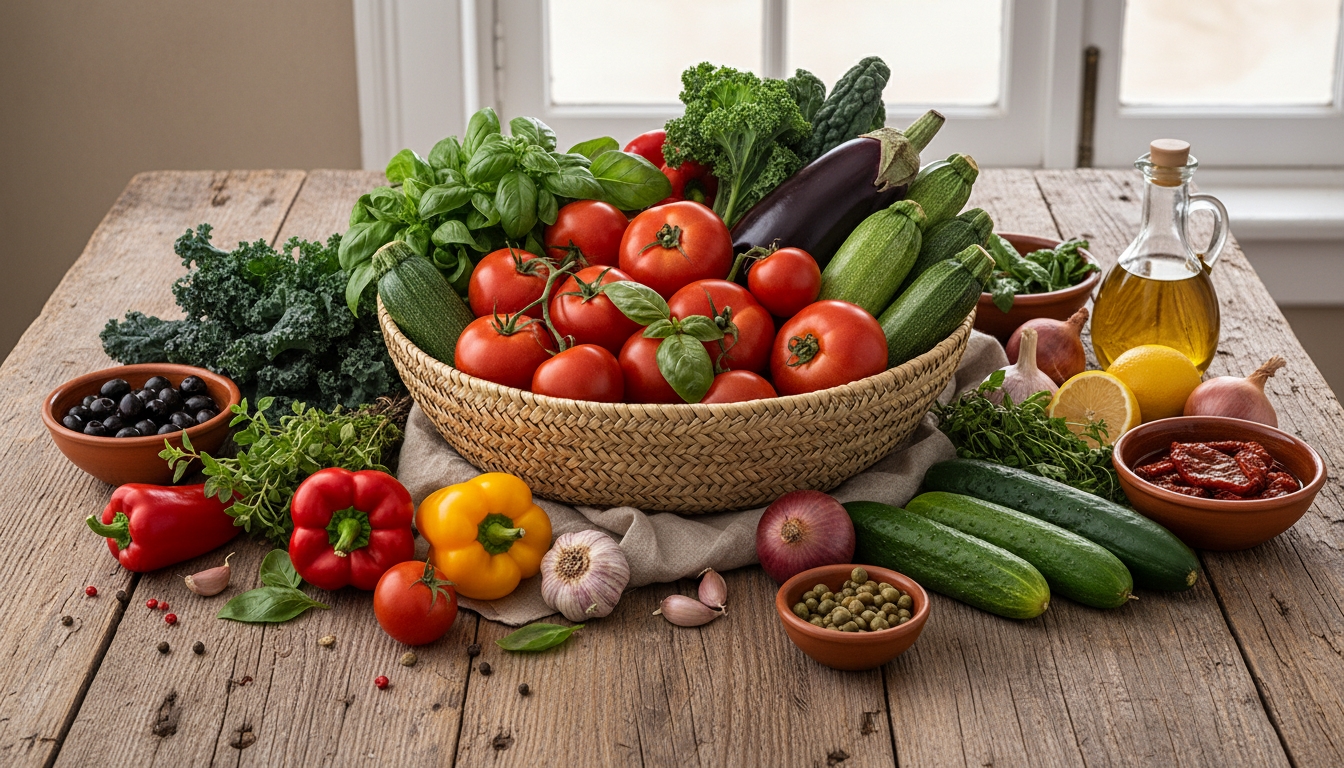
You’ll want thin, organic tomatoes with thin skins and deep red hues, crisp zucchini ribbons, buttery eggplant, and a mix of sweet red, yellow, and spicy green peppers tossed in olive oil and fresh herbs. Choose varieties like San Marzano or Roma for sauces, and pick vegetables that feel firm yet yielding when squeezed. These ingredients bring bright flavor, light texture, and health‑boosting nutrients to every Mediterranean dish, and the next sections will show you how to use them.
5 Mediterranean Vegetables That Define the Cuisine
What makes Mediterranean cuisine so vibrant? You’ll find sunshine‑kissed tomatoes, crisp cucumbers, and peppery arugula dancing together in every dish. You reach for eggplant, its buttery flesh soaking up olive oil and herbs. You toss zucchini ribbons into a pan, letting them soften while retaining a gentle bite. You slice red onions thin, their sweet bite mellowed by citrus. You sprinkle fresh basil, oregano, and mint, each herb releasing fragrant oils that lift the whole plate. You rely on legumes—chickpeas, lentils, and fava beans—to add protein and earthy depth. You drizzle everything with extra‑virgin olive oil, the liquid gold that binds flavors. You finish with a squeeze of lemon, brightening every bite. By choosing these vegetables, you capture the region’s climate, history, and culture in a single, colorful, and wholesome meal.
How to Choose Organic Mediterranean Tomatoes for Sauces & Salads
After savoring the peppery arugula and buttery eggplant, you’ll want tomatoes that hold up to both sauce and salad. First, check the skin: a thin, smooth rind signals a ripe, juicy fruit that will break down into a velvety sauce while still keeping its shape in a salad. Look for deep red or orange hues—these indicate high lycopene and natural sweetness, essential for balancing olive oil and herbs. Gently squeeze the tomato; it should yield slightly under pressure, revealing a firm flesh that won’t turn mushy when diced. Choose varieties like San Marzano for rich, low‑acid sauces, or Roma for a meatier texture that resists water release in salads. Verify the label reads “certified organic” to ensure no synthetic pesticides or fertilizers. Finally, buy from local farmers’ markets where tomatoes are harvested at peak ripeness, guaranteeing flavor and nutritional integrity.
The Role of Fresh Mediterranean Zucchini & Eggplant in Traditional Dishes
Ever wonder how fresh Mediterranean zucchini and eggplant shape classic dishes? You’ll find that their mild sweetness and buttery texture let you build layers of flavor without overwhelming the palate. When you slice them thin, grill them, or roast them slowly, they absorb herbs, garlic, and olive oil, turning simple sides into star‑powered dishes. Their high water content keeps stews light, while their sturdy flesh holds up in baking, letting you create hearty moussaka or ratatouille without sogginess. By choosing organic varieties, you avoid pesticide residues that could mask the subtle earthiness essential to authentic cuisine.
- Grill slices for smoky, tender antipasti.
- Roast cubes to caramelize sugars for tagines.
- Layer thin ribbons in baked casseroles for texture.
- Sauté diced pieces in olive oil for quick sautéed medleys.
Pair Seasonal Mediterranean Peppers With Olive Oil & Herbs
Want to make Mediterranean dishes sing? Grab a mix of sweet red, yellow, and fiery green peppers at their peak. Slice them into bite‑size strips, toss with generous olive oil, and sprinkle sea‑salt. Add freshly chopped oregano, thyme, and a pinch of rosemary for earthiness. Heat a skillet over medium‑high, let the oil shimmer, then sear the peppers until their edges blister and their sugars caramelize—about five minutes. Finish with a drizzle of lemon‑infused olive oil and a handful of chopped flat leaves for brightness. The oil carries the herbs’ aromatics, while the peppers’ natural juices meld into a glossy, flavorful coating. Serve this vibrant medley alongside grilled fish, roasted chicken, or as a topping for crusty focaccia. The simple pairing elevates any plate, delivering authentic Mediterranean taste with minimal effort.
Frequently Asked Questions
How Long Can Organic Mediterranean Vegetables Be Stored Safely?
You can keep organic Mediterranean vegetables fresh for about one to two weeks in the fridge, depending on the type. Store them in perforated bags or containers, and check regularly for spoilage.
What Are the Best Organic Herbs to Complement Mediterranean Vegetables?
You’ll love pairing organic oregano, thyme, rosemary, and basil with Mediterranean veggies; they add bright, earthy notes, enhance flavor depth, and keep your dishes fresh, aromatic, and authentically Mediterranean.
Can I Substitute Non‑Mediterranean Vegetables in Traditional Recipes?
You can swap non‑Mediterranean veggies, but keep flavors balanced; choose ones with similar textures and mild tastes, like zucchini for eggplant or bell peppers for tomatoes, and adjust seasoning to preserve authenticity.
How Does Organic Farming Affect the Nutritional Profile of Mediterranean Produce?
You’ll find organic Mediterranean produce often has higher antioxidant levels, more vitamins, and reduced pesticide residues, because natural soil health and biodiversity boost nutrient density, while synthetic chemicals stay out.
Are There Specific Organic Certification Labels to Look for in Mediterranean Markets?
You’ll want EU‑organic, USDA‑organic, and local “Bio” labels; they guarantee compliance with strict pesticide limits, soil‑health standards, and traceability, ensuring truly organic Mediterranean produce.
Conclusion
Now you’ve got the essential organic veggies to nail authentic Mediterranean meals. Pick ripe tomatoes for bright sauces, toss fresh zucchini and eggplant into stews, and roast seasonal peppers with olive oil and herbs. By choosing quality, organic produce you’ll capture the region’s vibrant flavors and healthful spirit in every dish. Enjoy the taste of the Mediterranean right at your table.


Sorry, the comment form is closed at this time.