
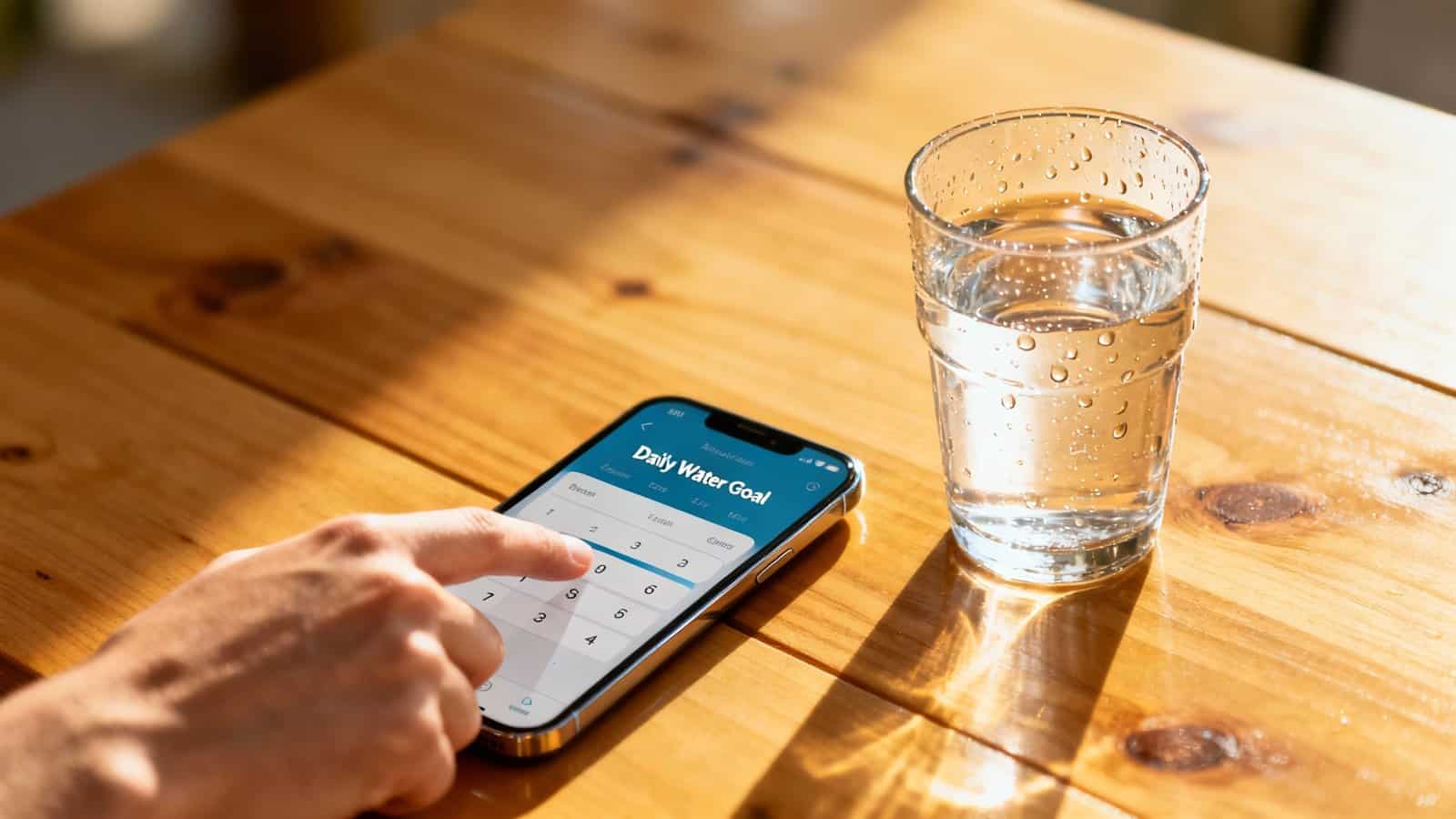
How to Use a Water Intake Calculator to Find Your Daily Goal
To use a water intake calculator, you’ll input your body weight, activity level, climate conditions, age, and any special circumstances like pregnancy. The calculator will generate your baseline daily fluid recommendation in ounces or liters. You’ll need to adjust this number for intense exercise, hot weather exposure, or alcohol consumption. Track your intake using apps or smart bottles while monitoring urine color to ensure you’re meeting your personalized hydration target throughout each day.
Table of Contents
Key Takeaways
- Input your body weight, activity level, climate conditions, age, and special circumstances like pregnancy into the calculator for accurate results.
- The calculator provides a baseline daily water intake recommendation in ounces or liters based on your personal factors.
- Adjust the calculated result upward for intense exercise, hot weather exposure, high altitude, or consumption of caffeine and alcohol.
- Monitor your urine color to verify adequate hydration—clear or light yellow indicates good hydration while dark signals you need more water.
- Track your daily water intake using apps, smart bottles, or logs to identify patterns and ensure you’re meeting your calculated goals.
Understanding the Key Factors That Determine Your Water Needs
When you’re trying to figure out how much water to drink daily, you’ll need to consider several personal factors that make your hydration needs unique. Your body mass index plays a crucial role since larger bodies require more water to maintain proper hydration levels. If you’re carrying extra weight or have more muscle mass, you’ll need to increase your intake accordingly.
Your activity level directly impacts how much you sweat and lose fluids. Climate conditions matter too—you’ll need more water in hot, humid weather or at high altitudes. Age affects your body’s ability to regulate fluids, while pregnancy and breastfeeding significantly increase requirements.
Don’t overlook medication interactions when calculating your needs. Certain drugs like diuretics, blood pressure medications, and antidepressants can affect hydration levels. Some medications increase fluid loss, while others may cause retention. Additionally, health conditions such as fever, vomiting, or kidney problems alter your water requirements substantially.
Step-by-Step Guide to Using a Water Intake Calculator
Now that you understand what influences your hydration needs, you’re ready to put that knowledge into practice with a water intake calculator. These tools simplify the process of determining your personalized daily water goal.
Start by entering your basic information. Most calculators require:
- Your current body weight in pounds or kilograms
- Activity level (sedentary, moderate, or highly active)
- Climate conditions where you live
- Age and biological sex
- Any special circumstances like pregnancy or breastfeeding
Once you’ve input this data, the calculator processes these variables to generate your recommended daily intake in ounces or liters. For optimal calculator accuracy, update your information whenever significant changes occur in your lifestyle or health status.
Don’t stop at just knowing your number. Set daily reminders on your phone to track your progress throughout the day. You’ll find it easier to meet your hydration goals when you’re consistently monitoring your intake rather than trying to catch up later.
Interpreting Your Personalized Hydration Results
After receiving your calculated water intake recommendation, you’ll need to understand what these numbers actually mean for your daily routine. Your result typically shows daily fluid ounces or liters, representing the baseline amount your body needs to maintain proper electrolyte balance and optimal function.
Don’t treat this number as an absolute rule. It’s a starting point you’ll adjust based on how you feel. If you’re exercising intensely or spending time outdoors, you’ll need more water than the calculator suggests. Similarly, consuming caffeine or alcohol increases your hydration requirements.
Pay attention to your body’s signals while following the recommendation. Clear or light yellow urine indicates good hydration, while improved skin hydration often becomes noticeable within weeks of meeting your water goals. Dark urine, headaches, or fatigue suggest you’re not drinking enough despite hitting your calculated target.
Remember that food contributes about 20% of your daily fluid intake, so your drinking water goal is actually lower than your total fluid needs.
Adjusting Your Water Goals for Special Circumstances
While your baseline water calculation provides a solid foundation, you’ll need to modify these numbers during pregnancy, illness, or extreme weather conditions.
Your body’s hydration demands shift dramatically under these circumstances, requiring careful attention to fluid intake.
Pregnancy adjustments typically add 10-12 ounces daily during the first trimester and up to 24 ounces by the third.
You’ll also need extra water when you’re fighting infections or experiencing fever, as your body loses fluids through sweating and increased metabolism.
Consider these special circumstances requiring increased water intake:
- Hot weather exposure – Add 16-24 ounces for temperatures above 85°F
- High altitude activities – Increase intake by 1.5-2 liters above 8,000 feet
- Breastfeeding – Consume an additional 32 ounces daily
- Medication side effects – Diuretics and blood pressure medications increase fluid needs
- Exercise timing – Drink 17-20 ounces two hours before workouts
Monitor your urine color and adjust accordingly.
Pale yellow indicates proper hydration, while dark amber signals you need more water immediately.
Tracking and Maintaining Your Optimal Hydration Level
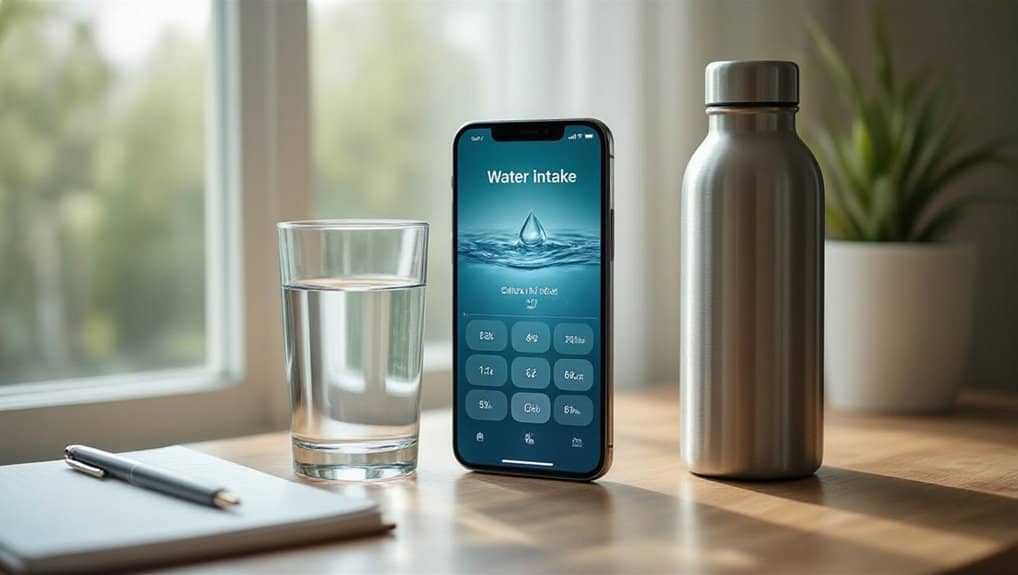
Consistently monitoring your hydration status requires more than just counting glasses of water throughout the day. You’ll need systematic approaches to track both your intake and your body’s hydration signals. Start by creating daily logs in a notebook or hydration app, recording not just water consumption but also the timing of each drink and how you feel throughout the day.
Smart bottles have revolutionized hydration tracking by automatically syncing your intake data to your phone. They’ll send reminders when you’re falling behind and help identify patterns in your drinking habits. However, don’t rely solely on technology—pay attention to urine color, energy levels, and thirst cues.
Review your daily logs weekly to spot trends. You might discover you’re consistently under-hydrated on busy workdays or overcompensating after workouts. Adjust your strategies accordingly, whether that means setting hourly alarms, keeping water visible on your desk, or preparing infused water the night before to make drinking more appealing.
Frequently Asked Questions
Are Water Intake Calculators Scientifically Accurate and Reliable?
You’ll find water intake calculators provide reasonable estimates, but they aren’t perfectly accurate due to calculator limitations. They can’t account for all personalized variability in your metabolism, health conditions, or daily activities.
While they’re reliable enough for general guidance using basic factors like weight and exercise level, you shouldn’t treat their recommendations as medical advice. They’re best used as starting points that you’ll need to adjust based on your body’s actual needs.
Can I Count Coffee, Tea, and Other Beverages Toward My Daily Goal?
Yes, you can count coffee, tea, and other beverages toward your daily water intake goal. Caffeinated beverages like coffee and tea contribute to hydration despite their mild diuretic effects.
Even caloric drinks such as juice and milk count. However, you’ll get the most hydration benefits from plain water, and you should limit sugary drinks. Most fluids you consume throughout the day help meet your hydration needs.
What Are the Signs I’m Drinking Too Much Water?
You’re drinking too much water when you experience water intoxication signs like nausea, headache, confusion, or muscle cramps. These hyponatremia symptoms occur when you’ve diluted your blood’s sodium levels.
You’ll notice frequent urination that’s completely clear, bloating, and swelling in your hands or feet. If you’re forcing yourself to drink when you’re not thirsty or consuming large amounts within short periods, you’ve exceeded healthy limits.
Should I Drink Water Even When I’m Not Thirsty?
You don’t need to force water when you’re not thirsty, but don’t rely solely on thirst as your guide.
Your body’s drink signals can lag behind actual dehydration, especially as you age or during exercise. Instead, establish habit cues like drinking water with meals, after bathroom breaks, or when you see your water bottle. This approach ensures you’re staying hydrated without overdoing it or waiting until you’re already dehydrated.
Does Water Temperature Affect Hydration Effectiveness?
Water temperature doesn’t significantly impact hydration effectiveness – your body absorbs cold vs. warm water at nearly the same rate.
You’ll hydrate equally well with ice water or room temperature drinks.
What matters more is the mineral content in your water, as electrolytes like sodium and potassium enhance fluid retention.
You might drink cold water faster during exercise, but temperature itself won’t change how effectively your cells absorb and use the hydration.
Conclusion
You’ve learned how to calculate your personalized water intake goal and adjust it for your unique circumstances. Now it’s time to put this knowledge into practice. Start tracking your daily water consumption today using your preferred method—whether that’s an app, water bottle markings, or simple notes. Remember, you’re building a sustainable habit, not chasing perfection. Stay consistent, listen to your body’s signals, and you’ll maintain optimal hydration levels that support your overall health and well-being.


No Comments