
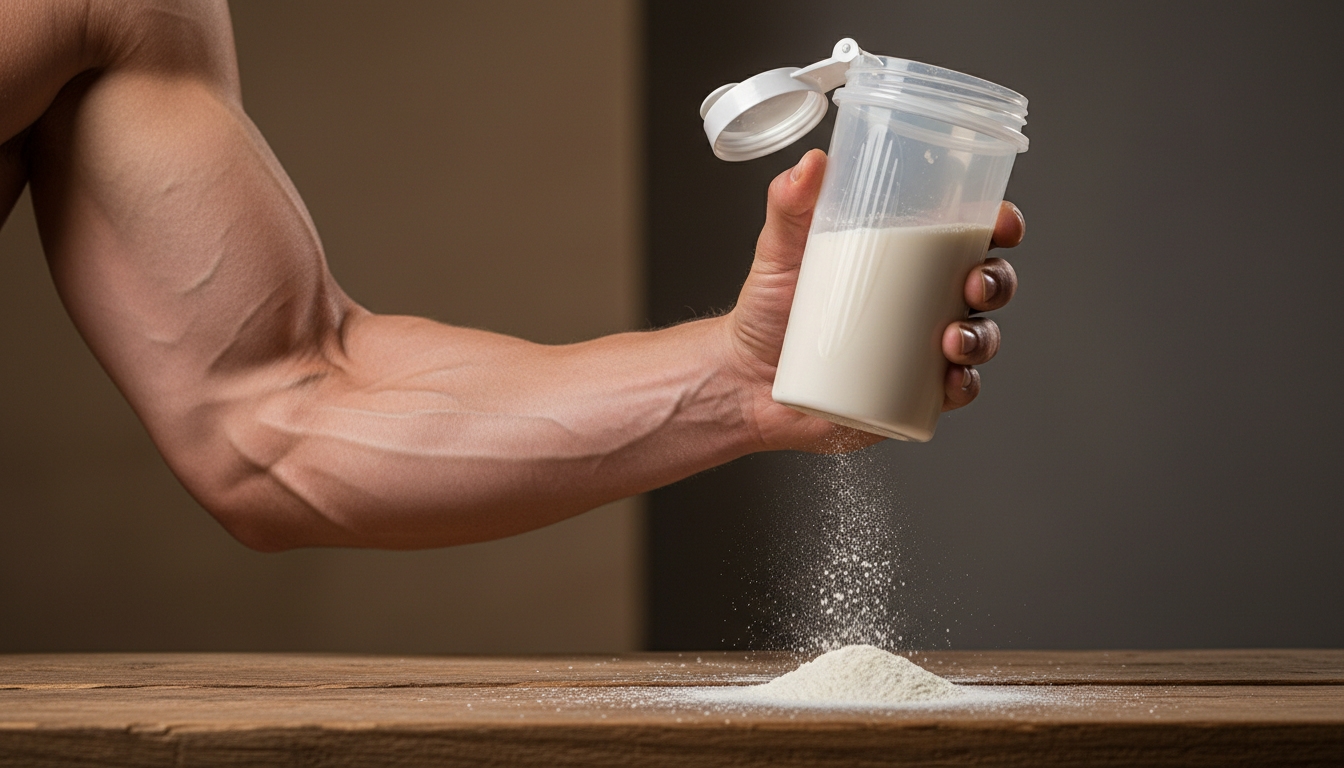
Protein vs Creatine: Fitness Expert Reveals Which Is Better for Building Muscle
You’ll get the biggest muscle gains by hitting a protein target of 1.2–2.0 g per kg daily and adding 3–5 g of creatine monohydrate each day. Aim for 20–25 g of high‑quality protein per meal, especially within 30–60 minutes after training, to trigger the leucine threshold and maximize MPS. Creatine supports stronger workouts and adds about 5 % strength and 1–2 kg lean mass over 12 weeks. Keep hydrated, stay consistent, and the next section shows how to fine‑tune timing and dosing.
Table of Contents
Protein vs Creatine: How Much Protein Do You Really Need for Muscle Growth?
How much protein do you actually need to build muscle? You should aim for 1.2–2.0 g per kilogram of body weight each day, which covers most active adults. If you weigh 70 kg, that translates to roughly 84–140 g of protein daily. Split this into 3–4 meals, each containing 20–25 g of high‑quality protein to hit the leucine threshold of about 2.5 g per serving—this maximizes muscle protein synthesis (MPS).
Post‑workout, prioritize a protein dose within 30–60 minutes; a whey shake with 20 g protein works well. Remember, exceeding 2.2 g kg⁻¹ offers no extra muscle benefit and could strain kidneys if you have pre‑existing issues. Stay hydrated, especially if you also use creatine, and keep total calories aligned with your training goals. This balanced approach ensures you supply enough amino acids for growth without waste.
Protein vs Creatine: Optimal Timing and Dosage of Creatine for Strength Gains
You’ve got your protein intake dialed in, now let’s focus on creatine. For strength gains, aim for a daily maintenance dose of 3–5 g of creatine monohydrate. You can skip the loading phase; taking 3 g each day for four weeks raises muscle stores by ~20 %.
If you prefer a faster boost, load with 20 g split into four doses for 5–7 days, then drop to 3–5 g. Timing isn’t critical, but many athletes take it post‑workout with carbs to aid uptake. Stay hydrated—drink at least 2 L of water daily to support intracellular volumization and avoid dehydration. Consistency beats occasional spikes, so make creatine a permanent part of your regimen. This modest dose, paired with your protein strategy, will translate into 5 %‑plus improvements in bench‑press and squat performance over a few weeks.
Which Supplement Drives Greater Muscle Mass Gains – Protein, Creatine, or Both?
Which supplement truly packs the biggest punch for muscle growth—protein, creatine, or their combo? You’ll see protein fuels the fundamental building blocks of muscle via muscle protein synthesis (MPS).
Consuming 20–25 g of high‑quality protein post‑workout hits the leucine threshold (~2.5 g) and maximizes MPS, adding roughly 0.2–0.4 kg lean mass per month when you meet the 1.2–2.0 g kg⁻¹ daily recommendation.
Creatine, meanwhile, replenishes phosphocreatine, letting you push harder and lift heavier. A 3–5 g maintenance dose boosts strength by ~5 % and can increase lean mass by 1–2 kg over 12 weeks, especially when you’re already protein‑sufficient.
When you combine both, you reap synergistic benefits: protein drives synthesis while creatine enhances training capacity, leading to greater 1‑RM gains and more pronounced muscle hypertrophy than either alone.
For most lifters, the optimal strategy is to hit your protein target each day and add 3 g creatine consistently.
Frequently Asked Questions
Can Vegans Obtain Enough Leucine From Plant Proteins Alone?
Yes, you can hit the 2.5 g leucine target with plant foods—combine lentils, chickpeas, tofu, and nuts, or use fortified vegan protein powders, and spread servings across meals.
Do Creatine and Protein Affect Sleep Quality or Hormone Levels?
You’ll find creatine doesn’t disturb sleep and may even improve it, while protein’s timing can affect overnight hormone spikes; both support recovery, but excessive late‑night protein might slightly delay melatonin release.
Is It Safe to Combine Creatine With Pre‑Workout Stimulants?
Yes, you can safely combine creatine with pre‑workout stimulants; just stay hydrated, stick to recommended doses, and avoid excessive caffeine that might cause jitteriness or gastrointestinal upset.
How Does High‑Altitude Training Influence Creatine Supplementation Effectiveness?
You’ll find high‑altitude training doesn’t drastically change creatine’s benefits, but reduced oxygen can blunt strength gains, so the supplement still helps maintain phosphocreatine stores and support recovery, especially when you stay well‑hydrated.
Will Long‑Term Creatine Use Impact Kidney Function in Healthy Adults?
You won’t damage healthy kidneys with long‑term creatine if you stay hydrated and keep doses at 3–5 g daily; studies show no adverse renal effects in adults without pre‑existing kidney disease.
Conclusion
In the end, you’ll find that protein and creatine each play distinct, complementary roles in building muscle. Protein supplies the building blocks for tissue repair and growth, while creatine boosts your strength and power, letting you train harder. Using both—adequate daily protein and a consistent creatine regimen—maximizes muscle‑mass gains more than relying on either supplement alone.


Sorry, the comment form is closed at this time.