
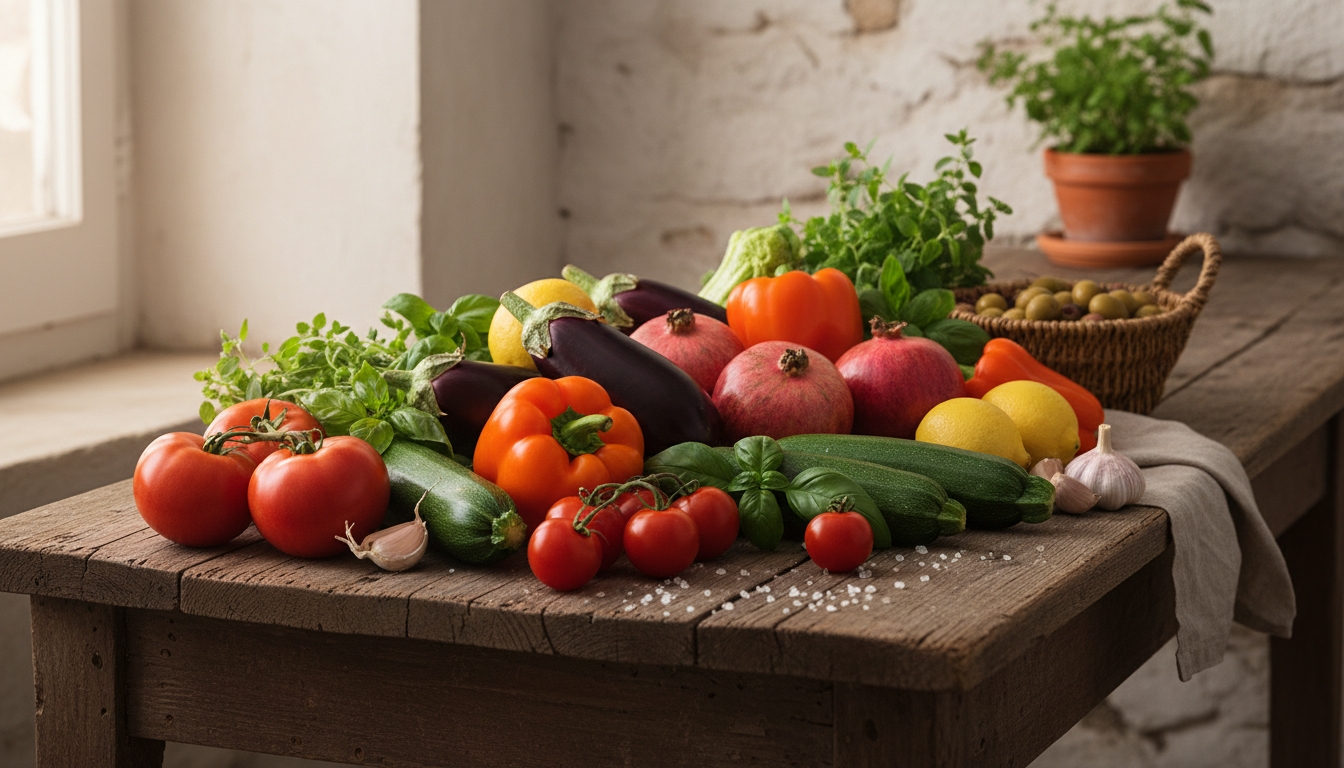
How To Choose The Best Mediterranean Diet Vegetables
Pick vibrant, seasonal staples—tomatoes, cucumbers, bell peppers, eggplant, zucchini, spinach, and arugula—by checking for firm stems, crisp leaves, and vivid colors. Look for firm, glossy skins on tomatoes and bright, glossy peppers; choose eggplants with tight, unblemished skin and zucchini that’s firm to the touch. Store leafy greens in breathable bags in the fridge and keep root crops in a cool, dark pantry. Follow these tips and you’ll discover even more ways to enjoy Mediterranean veggies.
Identify Key Mediterranean Vegetables for Your Diet
What’re the essential vegetables that define a Mediterranean diet? You’ll find tomatoes, cucumbers, bell peppers, eggplants, zucchini, and leafy greens like spinach and arugula front the core. These vegetables bring vibrant color, fiber, and antioxidants while keeping calories low. Tomatoes provide lycopene and vitamin C; cucumbers add crunch and hydration; bell peppers supply vitamin A and potassium. Eggplant offers nasunin, a brain‑protective flavonoid, and zucchini delivers vitamin B6 and manganese. Spinach and arugula supply iron, folate, and phytonutrients that support heart health. Incorporate them into salads, stews, or grilled plates to capture the diet’s hallmark of fresh, plant‑forward meals. By focusing on these staples, you’ll meet the Mediterranean guideline of abundant vegetables, enhance nutrient density, and enjoy flavors that pair naturally with olive oil, herbs, and lean proteins.
Choose Fresh, Seasonal Veggies for Maximum Flavor
Ever wondered how to capture the peak of flavor in your Mediterranean meals? Start by shopping at farmers’ markets or local farms when produce is in season. Seasonal vegetables—like zucchini in summer, carrots in fall, and peas in spring—contain higher sugars, brighter colors, and more aromatic compounds than off‑season imports. When you pick them, look for firm stems, crisp leaves, and vivid hues; these signs indicate freshness and optimal taste. Store them properly: keep leafy items in a breathable bag in the fridge, and root vegetables in a cool, dark pantry. Use them promptly; the longer they sit, the more nutrients and flavor degrade. Pair each veggie with complementary Mediterranean staples—olive oil, herbs, and citrus—to amplify its natural sweetness. By prioritizing fresh, seasonal produce, you’ll enjoy richer aromas, brighter textures, and a truly authentic Mediterranean dining experience.
Select Leafy Greens for the Mediterranean Diet That Boost Nutrition and Stay Crunchy
After you’ve secured fresh, seasonal produce, turn your attention to leafy greens that keep their bite and pack a nutritional punch. You’ll want varieties that stay crisp after a quick sauté or raw in salads, while delivering vitamins, minerals, and antioxidants. Choose greens with sturdy leaves and a slightly bitter edge; they hold up to olive‑oil dressings and quick‑cook methods without wilting.
- Baby kale – dense, peppery, and retains crunch when tossed with lemon‑olive oil.
- Swiss chard – colorful stems add texture; the leaves stay firm after a brief stir‑fry.
- Arugula – peppery flavor and firm leaves survive a hot‑pan flash.
- Spinach (baby) – tender yet resilient; quick sauté keeps its vivid green and snap.
Balance Color and Texture When Pairing Mediterranean Veggies
When you mix Mediterranean vegetables, consider both hue and mouthfeel to create a harmonious plate. Pair bright orange carrots with deep‑green zucchini for visual contrast, then add glossy,‑, tomatoes for a pop of shine. Balance crunchy raw peppers with silky roasted eggplant, and finish with buttery, sautéed kale for richness. Thoughtful combos keep each bite interesting and prevent monotony, while the colors cue your palate for a satisfying meal.
| Color | Texture |
|---|---|
| Red (tomatoes) | Juicy |
| Orange (carrots) | Crunchy |
| Green (zucchini) | Tender |
| Purple (eggplant) | Creamy |
Store and Prepare Mediterranean‑Style Vegetables at Home
How can you keep Mediterranean vegetables fresh and ready for quick, flavorful meals? Store them in the refrigerator’s crisper drawer, wrapped loosely in a paper towel to absorb excess moisture. Cut larger items into bite‑size pieces and keep them in airtight containers, so you can toss them straight into a skillet or salad. Freeze herbs like basil or oregano in ice‑cube trays with olive oil for instant flavor boosts. When you’re ready to cook, give veggies a quick rinse, pat dry, and season with lemon, garlic, or a drizzle of extra‑virgin olive oil for that authentic Mediterranean sparkle.
- Wash, dry, and store leafy greens in a perforated bag.
- Keep root veggies in a cool, dark place; transfer to plastic bags after washing.
- Slice bell peppers, zucchini, and eggplant; store in water‑filled containers.
- Freeze chopped tomatoes, herbs, and olives in oil‑based portions for later use.
Frequently Asked Questions
Can I Eat Mediterranean Vegetables if I’M Allergic to Nightshades?
Yes, you can still enjoy Mediterranean vegetables—just avoid nightshade varieties like tomatoes, peppers, and eggplants. Focus on leafy greens, zucchini, cucumbers, carrots, and legumes, and double‑check labels for hidden nightshade ingredients.
Do Mediterranean Vegetables Contain Gluten?
No, Mediterranean vegetables themselves don’t contain gluten, so you can eat them safely. Just watch out for processed mixes or sauces that might add wheat flour or other gluten‑based thickeners.
How Many Servings of Mediterranean Veggies Should I Eat Daily?
You should aim for five servings of Mediterranean vegetables each day, mixing leafy greens, tomatoes, peppers, and beans. This variety supplies essential nutrients, fiber, and antioxidants while supporting heart health.
Are Canned Mediterranean Vegetables as Nutritious as Fresh?
You can trust canned Mediterranean veggies for most nutrients, but they often lose heat‑sensitive vitamins and may contain added sodium. Fresh or frozen usually retain more flavor and nutrients, so prioritize them when possible.
Can I Grow Mediterranean Vegetables Indoors Year‑Round?
Yes, you can grow Mediterranean vegetables indoors year‑round by using grow lights, proper containers, and consistent watering. Choose compact varieties, maintain 65‑75°F temperatures, and provide ample sunlight or full-spectrum LEDs.
Conclusion
Now you’ve got the low‑down on picking the freshest, most nutrient‑dense Mediterranean veggies, so trust your instincts, shop seasonally, and mix colors and textures for every meal. Store them right, prep them simply, and enjoy the crisp, vibrant flavors that keep you healthy and satisfied. Enjoy the garden of taste you’ve created!


No Comments