
Are Zero Calorie Drinks Bad for You? What Science Says
Zero-calorie drinks aren’t simply “bad” or “good” for you—they’re triggering complex responses scientists are still unraveling. While you’ll avoid sugar’s calories, artificial sweeteners can disrupt your gut bacteria, potentially spike insulin levels, and train your brain to crave more sweets. Research shows mixed results: some people lose weight, others gain it. Regular consumption’s been linked to increased risks of metabolic syndrome and heart issues. The full picture reveals surprising ways these drinks affect your body beyond just cutting calories.
Table of Contents
Key Takeaways
- Zero-calorie drinks don’t raise blood sugar directly but may trigger insulin responses and alter glucose metabolism over time.
- Artificial sweeteners disrupt gut bacteria balance, potentially causing glucose intolerance and inflammation resembling pre-diabetic conditions.
- Regular consumption links to increased cardiovascular disease risk, with daily drinkers showing 43% higher stroke and heart attack rates.
- Sweetness without calories creates brain signaling mismatches, increasing cravings and potentially leading to weight gain despite zero calories.
- Evidence remains mixed: some studies show weight loss benefits while others demonstrate metabolic disruption and long-term health concerns.
The Science Behind Artificial Sweeteners and Your Body’s Response
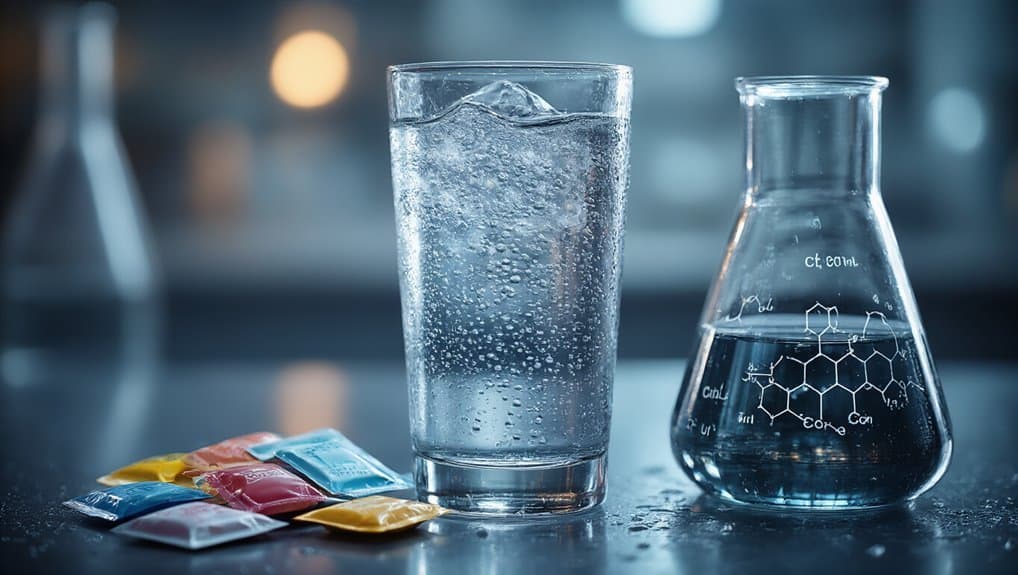
When you sip a zero-calorie drink, artificial sweeteners like aspartame, sucralose, or stevia activate the same taste receptors on your tongue that sugar does, triggering a cascade of biological responses.
Your brain’s neural signaling interprets this sweetness, but here’s where things get interesting – your body doesn’t receive the expected calories.
This mismatch affects your taste perception over time. You’re essentially training your brain to disconnect sweetness from caloric intake.
Your hormonal pathways, particularly insulin and ghrelin responses, can become confused. Some studies show your body might still release insulin anticipating sugar that never arrives.
The reward circuitry in your brain also reacts differently to artificial sweeteners. While you get the immediate pleasure signal from sweetness, you don’t receive the same dopamine response that comes from actual sugar consumption.
This incomplete reward cycle might explain why you sometimes crave more sweet foods after drinking diet sodas.
How Zero Calorie Drinks Affect Gut Bacteria and Digestive Health
Drinking zero-calorie beverages introduces artificial sweeteners directly into your digestive system, where they encounter trillions of gut bacteria that weren’t designed to process these synthetic compounds. Research shows these sweeteners can disrupt your microbiome balance, potentially reducing beneficial bacteria while promoting harmful strains.
| Sweetener | Gut Impact | Recovery Time |
|---|---|---|
| Saccharin | Reduces diversity | 4-6 weeks |
| Sucralose | Alters pH levels | 2-3 weeks |
| Aspartame | Affects gut mucosa | 1-2 weeks |
When you consume diet drinks regularly, you’re essentially conducting an experiment on your digestive health. Studies indicate artificial sweeteners can damage the gut mucosa, your intestinal protective barrier, leading to inflammation and compromised nutrient absorption. They’ve been linked to glucose intolerance and metabolic changes that mirror pre-diabetic conditions.
Your gut bacteria influence everything from immune function to mood regulation. By disrupting this delicate ecosystem with zero-calorie drinks, you’re potentially trading short-term calorie savings for long-term digestive complications and metabolic dysfunction.
The Insulin and Blood Sugar Connection: What Research Reveals
You might assume zero-calorie drinks don’t affect your blood sugar since they contain no actual sugar, but research tells a more complex story.
Studies have shown that artificial sweeteners can trigger an insulin response in some people, potentially disrupting normal glucose regulation even without calories present.
Scientists are still investigating these metabolic effects, but early findings suggest your body’s response to sweet taste alone may influence how you process sugar throughout the day.
Insulin Response Studies
Although zero-calorie sweeteners don’t contain sugar, researchers have investigated whether they might still trigger an insulin response in your body. Studies show that taste perception of sweetness can activate reward signaling pathways in your brain, potentially influencing metabolic processes. When you taste something sweet, your body may initiate the cephalic phase insulin response—a preparatory release of insulin before nutrients enter your bloodstream.
Recent research has examined how artificial sweeteners interact with your oral microbiome, the bacteria living in your mouth. These microbes can metabolize sweeteners differently than sugar, potentially affecting downstream signaling. While some studies found minimal insulin responses to artificial sweeteners alone, others detected small increases when they’re combined with carbohydrates. The evidence remains mixed, with individual responses varying based on genetics, gut health, and sweetener type.
Glucose Level Impact
While artificial sweeteners don’t directly raise blood glucose levels due to their lack of digestible carbohydrates, they may indirectly influence your blood sugar regulation through complex metabolic pathways.
Studies show that regular consumption can alter your gut bacteria composition, potentially affecting glucose metabolism. You might experience changes in how your body processes real sugar when you frequently drink zero-calorie beverages.
Research indicates that artificial sweeteners could increase glycemic variability in some individuals, meaning your blood glucose fluctuations throughout the day become less stable. This effect appears stronger if you’re already at risk for diabetes.
Your sweet taste receptors in the intestines can trigger glucose absorption mechanisms even without actual sugar present. While the immediate impact on blood glucose remains minimal, long-term consumption patterns may compromise your metabolic flexibility.
Metabolic Effects Research
Scientists have uncovered surprising connections between zero-calorie sweeteners and your body’s insulin response through extensive metabolic research. When you consume artificial sweeteners, your brain anticipates calories that don’t arrive, potentially disrupting metabolic adaptation processes. Studies show this mismatch can alter your energy expenditure patterns and insulin sensitivity over time.
| Sweetener Type | Metabolic Impact |
|---|---|
| Aspartame | 15% insulin spike without glucose |
| Sucralose | Reduced energy expenditure by 8% |
| Saccharin | Altered gut bacteria metabolism |
| Stevia | Minimal insulin response |
| Acesulfame-K | Decreased glucose tolerance |
Research indicates you’re not getting a “free pass” with zero-calorie drinks. Your metabolism responds to sweet taste signals regardless of caloric content, potentially affecting weight management and blood sugar control. These findings suggest reconsidering daily consumption patterns.
Weight Loss or Weight Gain? The Paradox of Diet Beverages
When you reach for a diet soda to cut calories, you’re facing one of nutrition science’s most puzzling contradictions. While these drinks contain zero calories, studies show mixed results on actual weight loss. Some research finds diet beverage users lose more weight, while other studies link them to weight gain.
The problem isn’t the drinks themselves—it’s behavioral compensation. You might unconsciously eat more after choosing a diet drink, thinking you’ve “saved” calories. This mental accounting sabotages your efforts. Additionally, artificial sweeteners can alter your flavor preference, making naturally sweet foods less satisfying and ultra-sweet processed foods more appealing.
Your brain’s reward system also plays a role. When sweetness doesn’t deliver expected calories, it may trigger increased hunger signals. Some people successfully use diet drinks as weight-loss tools, while others find them counterproductive. The key is monitoring your total intake and recognizing how these beverages affect your eating patterns.
Heart Health Implications of Regular Zero Calorie Drink Consumption
Although zero-calorie drinks won’t add calories to your diet, they may still impact your cardiovascular system in unexpected ways.
Research shows that people who drink diet sodas daily have a 43% higher risk of heart attack and stroke compared to those who don’t consume them. You’re exposing your blood vessels to artificial sweeteners that can trigger inflammation and increase vascular stiffness over time.
Your sodium intake also rises with many zero-calorie drinks. A single can contains 40-75mg of sodium, and if you’re drinking multiple servings daily, you’re adding unnecessary salt to your diet. This extra sodium contributes to elevated blood pressure and forces your heart to work harder.
Studies link regular consumption to metabolic syndrome, a cluster of conditions that increase heart disease risk. You’ll also experience changes in how your body processes glucose and insulin, both crucial for cardiovascular health.
The Caffeine Factor: Hidden Effects in Sugar-Free Energy Drinks
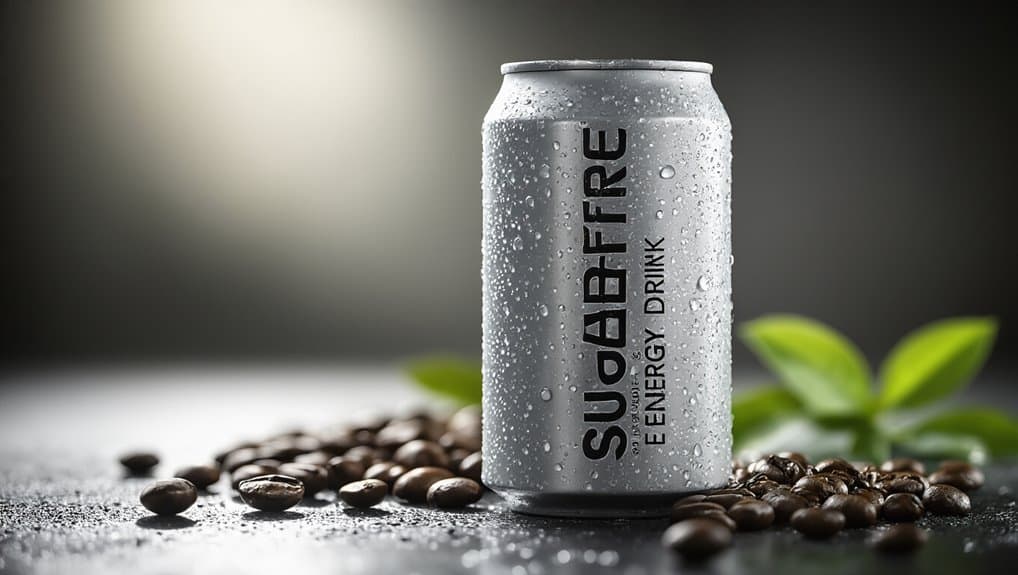
When you’re reaching for that sugar-free energy drink, you mightn’t realize it can contain up to 300mg of caffeine—nearly reaching the FDA’s recommended daily limit of 400mg in just one can.
This high caffeine content can disrupt your sleep cycles even when consumed six hours before bedtime, reducing both your total sleep time and sleep quality.
You’ll want to track your caffeine intake across all zero-calorie beverages since many diet sodas and teas also contain significant amounts that add up quickly throughout the day.
Daily Safe Limits
Since you’re reaching for that sugar-free energy drink to avoid calories, you mightn’t realize you’re consuming up to 300mg of caffeine—nearly the entire daily recommended limit in a single can.
Health experts recommend staying below 400mg daily for adults, but you’ll hit that ceiling quickly if you’re drinking multiple servings.
Your body doesn’t distinguish between caffeine sources, so that morning coffee plus an afternoon energy drink can push you over safe limits.
You’re risking insomnia, anxiety, and elevated heart rate when you exceed recommendations.
Practicing portion control becomes essential—consider splitting larger cans or choosing brands with moderate caffeine levels.
If you’re experiencing flavor fatigue from regular options, you might unconsciously increase consumption while seeking variety, further elevating your daily caffeine intake beyond healthy boundaries.
Sleep Cycle Disruption
Even if you’re drinking your last zero-calorie energy drink at 2 PM, you’re still disrupting tonight’s sleep quality because caffeine’s half-life extends five to six hours in your system. You’ll have 25% of that caffeine still active by bedtime, triggering circadian disruption and melatonin suppression.
| Time After Consumption | Caffeine Remaining | Sleep Impact |
|---|---|---|
| 2 hours | 75% | Alertness peaks |
| 5 hours | 50% | REM interference begins |
| 8 hours | 25% | Deep sleep reduced |
| 11 hours | 12.5% | Sleep onset delayed |
| 14 hours | 6.25% | Morning grogginess |
Your brain’s natural melatonin production drops when caffeine blocks adenosine receptors. You’re essentially forcing your body to stay alert when it should wind down. This explains why you’re tossing at midnight despite feeling exhausted.
Long-Term Studies on Cancer Risk and Other Health Concerns
Although artificial sweeteners have been on the market for decades, researchers continue to investigate their potential links to cancer and other serious health conditions. You’ll find conflicting evidence when examining cancer epidemiology studies. While early saccharin research raised concerns, most modern studies haven’t established definitive cancer connections in humans at typical consumption levels.
What’s more concerning is potential endocrine disruption. Some research suggests artificial sweeteners might interfere with your hormonal balance, affecting metabolism and reproductive health. You should also consider cardiovascular impacts—recent studies link heavy consumption to increased stroke and heart disease risk.
Long-term observational studies reveal associations with type 2 diabetes, though causation isn’t proven. If you’re drinking multiple zero-calorie beverages daily, you’re part of an ongoing natural experiment. Scientists can’t yet fully predict outcomes after 30-40 years of regular consumption. Until more conclusive evidence emerges, you’d benefit from moderation and diversifying your beverage choices.
Making Informed Choices: When Zero Calorie Drinks Help vs. Harm

When you’re deciding whether zero-calorie drinks fit your health goals, context matters more than blanket rules. If you’re replacing multiple sugary sodas daily, switching to diet versions can slash hundreds of calories and help manage blood sugar. You’ll likely see weight loss benefits without the metabolic havoc of excessive sugar intake.
However, you shouldn’t view these drinks as health beverages. They won’t hydrate you like water, and overconsumption might trigger cravings or digestive issues. Pay attention to label transparency—manufacturers aren’t always clear about sweetener blends or additional additives that could affect your body differently.
Consider taste fatigue too. When you constantly bombard your palate with intensely sweet flavors, naturally sweet foods like fruit might seem bland. You’re better off using zero-calorie drinks as occasional treats rather than water replacements. If you’re managing diabetes or cutting calories for weight loss, they’re helpful tools. Otherwise, gradually reducing them helps reset your taste preferences.
Frequently Asked Questions
Can I Drink Zero Calorie Beverages While Intermittent Fasting?
You can drink zero-calorie beverages during intermittent fasting, but they’re not all equal.
Plain water, black coffee, and unsweetened tea won’t break your fast.
However, artificially sweetened drinks might trigger an insulin response in some people, potentially disrupting fasting benefits.
They can also affect your hunger cues, making you feel hungrier later.
If you’re fasting for weight loss or metabolic health, stick to plain beverages to maximize your results.
Are Zero Calorie Drinks Safe During Pregnancy and Breastfeeding?
You’ll want to exercise caution with zero-calorie drinks during pregnancy and breastfeeding.
While water’s always your safest bet, moderate amounts of artificially sweetened beverages are generally considered acceptable.
However, you should avoid saccharin completely during pregnancy.
For pregnancy safety, limit caffeine-containing diet sodas.
Regarding breastfeeding guidance, artificial sweeteners can pass through breast milk, though research shows they’re typically safe in moderation.
Always consult your healthcare provider for personalized recommendations.
Do Artificial Sweeteners in Diet Drinks Break Ketosis?
Artificial sweeteners in diet drinks won’t break your ketosis. They don’t trigger insulin release or affect ketone production since they contain no carbohydrates or calories.
You’ll maintain your metabolic state while enjoying these beverages. However, some people report that certain artificial sweeteners can cause cravings or stall weight loss.
If you’re tracking your progress, monitor how your body responds to different sweeteners while maintaining ketosis.
Can Children and Teenagers Safely Consume Zero Calorie Drinks?
You’ll want to limit zero-calorie drinks for children and teens.
While they’re not immediately dangerous, water should be your child’s primary source for pediatric hydration.
These drinks can shape adolescent preferences toward sweet tastes and potentially increase cravings for sugary foods.
They don’t provide nutrients growing bodies need.
If you’re offering them occasionally, that’s fine, but don’t let artificial sweeteners replace water, milk, or other nutritious beverages in their daily routine.
How Do Zero Calorie Drinks Affect Dental Health and Tooth Enamel?
Zero-calorie drinks can damage your teeth through acid erosion, even without sugar. They’re often acidic with pH levels that weaken tooth enamel when you drink them frequently.
You’ll experience less decay than with sugary sodas, but the acids still harm your teeth. To protect yourself, limit consumption, use a straw, rinse with water afterward, and wait 30 minutes before brushing to allow natural enamel remineralization to begin.
Conclusion
You’ve seen the research – zero-calorie drinks aren’t entirely harmless, but they’re not universally bad either. If you’re using them to replace sugary sodas while losing weight, you’ll likely benefit. However, don’t ignore the potential effects on your gut health, insulin response, and heart. Your best bet? Treat them as occasional alternatives, not daily staples. Listen to your body’s reactions, stay informed about emerging research, and remember that plain water remains your healthiest choice.


No Comments