
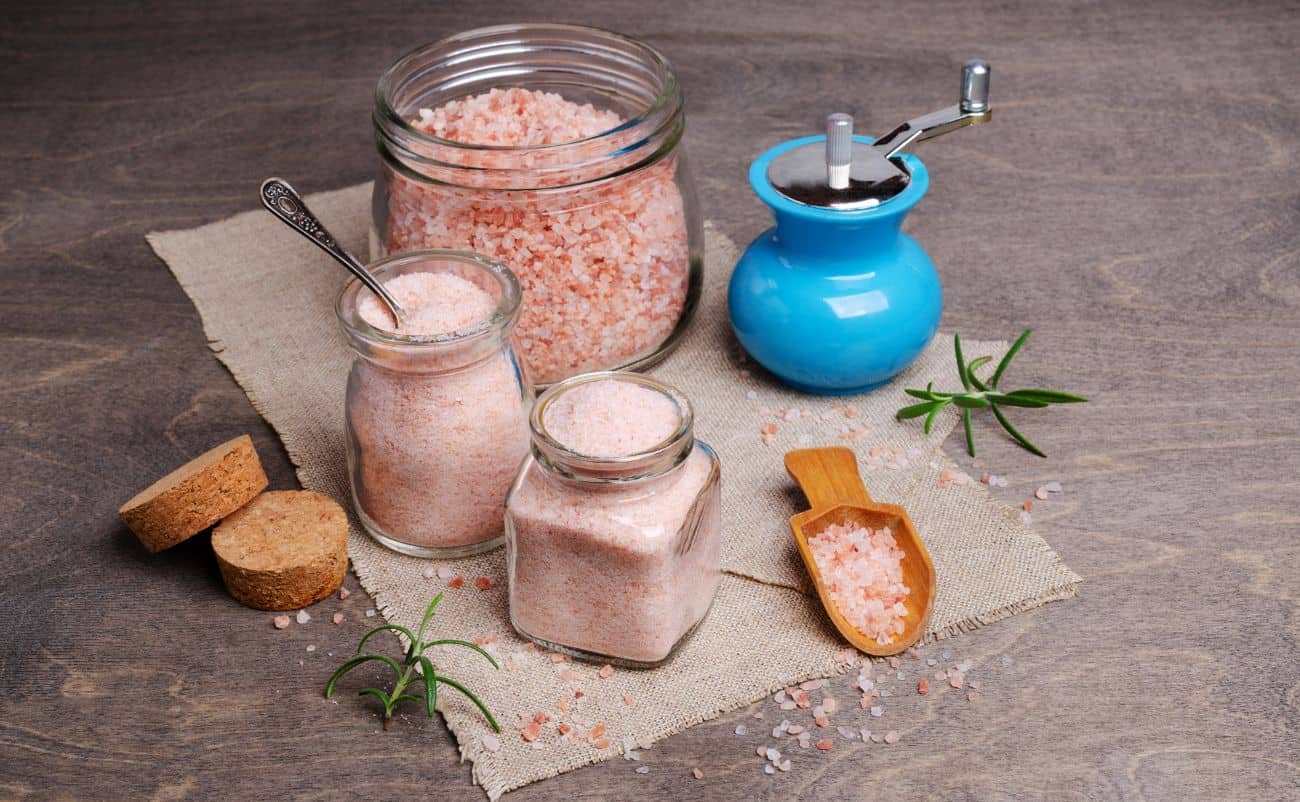
You’ve likely seen social media influencers touting the pink salt trick as a simple weight loss solution that involves consuming a small pinch of Himalayan pink salt mixed with water before bedtime. Proponents claim it’ll boost your metabolism, burn fat, and regulate hunger hormones through its trace minerals. However, there’s no scientific evidence supporting these weight loss claims, and experts warn that excessive sodium intake poses health risks. The truth about this viral trend might surprise you.
Table of Contents
Key Takeaways
- The pink salt trick involves consuming a pinch of pink Himalayan salt before bed or mixing it with warm water.
- Proponents claim it boosts metabolism, burns fat, and regulates hunger hormones through its mineral content.
- Popular recipes mix ¼ teaspoon pink salt with 8 ounces warm water, sometimes adding lemon or honey.
- No scientific evidence supports the weight loss claims, and experts emphasize sodium doesn’t contribute to fat burning.
- Excessive sodium intake poses health risks including high blood pressure, kidney strain, and potential iodine deficiency.
How the Pink Salt Trick Works
When you’re trying to lose weight, the pink salt trick might seem like just another fad, but there’s actually some interesting science behind how it could support your efforts. The method involves consuming a small pinch of pink salt before bedtime, which may help regulate your hunger hormones and improve sleep quality.
Pink salt benefits include providing essential minerals like potassium, magnesium, and calcium that support metabolic function. These trace minerals can help balance your electrolytes, reducing bloating and unnecessary cravings that sabotage weight loss goals. Many women report experiencing reduced bloating within just days of incorporating this simple ritual into their routine.
By potentially lowering cortisol levels, you’re addressing a key factor that blocks fat burning and increases sugar cravings.
While weight loss myths often promise overnight transformation, the pink salt trick works more subtly. It may enhance your body’s natural fat-burning processes during sleep by supporting proper hydration and mineral balance.
However, you’ll need to maintain realistic expectations and combine this approach with healthy lifestyle habits.
Popular Claims About Pink Salt and Weight Loss
Social media has transformed the pink salt trick into a viral weight loss phenomenon, but you’ll find most claims lack scientific backing. Influencers on TikTok and Instagram promote pink salt benefits like enhanced metabolism, fat burning, and reduced bloating.
You’ll see videos combining pink salt with warm water, lemon, and vinegar, claiming it’s an “ancient remedy” for weight loss. The social media impact has been massive, with posts garnering tens of thousands of likes and shares. These trends often originate from holistic wellness circles rather than established medical or historical practices.
Advocates insist you’ll experience improved energy, better hydration, and hormonal balance by drinking this mixture each morning. They claim the mineral content helps your body burn fat more effectively while reducing water retention.
However, these assertions rely entirely on anecdotal testimonials rather than scientific evidence. Despite the viral popularity, no credible research supports pink salt’s effectiveness for weight loss or the metabolic benefits promoted online.
The Science Behind Pink Salt for Fat Burning
You’ve probably heard claims that pink salt can boost your metabolism and accelerate fat burning, but what does the science actually say?
While pink salt contains over 80 trace minerals that support various bodily functions, research shows these minerals exist in quantities too small to significantly impact your metabolic rate or fat oxidation. Experts confirm there is no scientific evidence to support the pink salt trick’s effectiveness for weight loss or metabolic enhancement.
Let’s examine the scientific evidence behind these popular weight loss claims and separate fact from fiction.
Metabolism Boost Claims
Millions of social media posts claim that pink Himalayan salt can supercharge your metabolism and melt away fat, but these promises aren’t backed by any credible scientific research. You’ll find influencers promoting metabolism myths about pink salt’s magical properties, but experts in nutrition and bariatric surgery disagree.
Your body’s metabolism depends on complex factors beyond minor electrolyte balance from trace minerals. While pink salt contains magnesium, potassium, and calcium, you’d need dangerous amounts to see any effect.
| Claim | Reality | Expert Verdict |
|---|---|---|
| Boosts metabolic rate | No studies support this | Unfounded |
| Supports adrenal function | Lacks scientific consensus | Unproven |
| Burns fat faster | Complex process unaffected by salt | False |
Don’t fall for these unsubstantiated claims. Small salt doses won’t stimulate your metabolic rate or enhance fat-burning capacity.
Fat Burning Mechanisms
Beyond the metabolism myths, let’s examine what pink salt actually does in your body and whether it can influence fat burning through any legitimate mechanisms.
Pink salt’s trace minerals like potassium and magnesium support proper hydration balance, which indirectly affects fat metabolism. When you’re adequately hydrated, your cells function more efficiently, potentially optimizing metabolic processes.
The minerals may contribute to energy production and muscle function, but there’s no evidence they directly trigger fat burning.
While some claim pink salt stimulates thermogenesis, scientific research doesn’t support significant fat oxidation from salt consumption alone.
Your body’s fat-burning capacity depends on complex metabolic factors including hormones, exercise, and overall caloric balance—not minor mineral supplementation from pink salt.
Potential Benefits of Pink Himalayan Salt
While pink Himalayan salt contains up to 84 trace minerals that give it its distinctive rose color, these minerals make up only about 2% of the salt’s total composition. You’ll find higher levels of calcium, iron, magnesium, manganese, and potassium compared to regular table salt, but these concentrations remain too low to provide significant health benefits under normal dietary amounts.
The nutritional comparison reveals both salts consist primarily of sodium chloride (98%). Pink salt’s larger crystals can result in lower sodium per teaspoon due to reduced density, though this varies with granule size.
| Mineral | Pink Salt | Table Salt |
|---|---|---|
| Calcium | Higher | Lower |
| Iron | Higher | Lower |
| Potassium | Higher | Lower |
Despite marketing claims about metabolism boosting or weight loss, you won’t experience measurable benefits from these trace minerals. The American Heart Association emphasizes limiting sodium intake regardless of salt type, as excess consumption poses identical health risks whether you’re using pink or white salt.
Common Pink Salt Trick Recipes and Variations
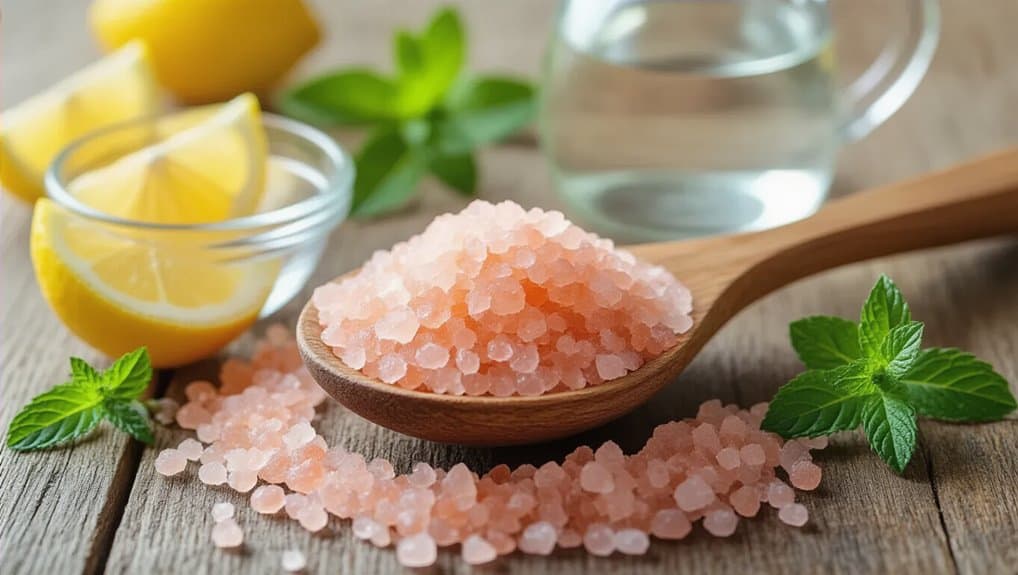
You’ll find the most common pink salt trick starts with mixing ¼ teaspoon of fine-ground Himalayan pink salt into 8 ounces of warm water with a tablespoon of fresh lemon juice.
Many people enhance this basic recipe by adding raw honey for sweetness, cayenne pepper for a metabolism boost, or apple cider vinegar for digestive support.
You can also try the sole method, where you pre-dissolve salt in water overnight and add just a teaspoon of this concentrated solution to your morning glass.
Basic Recipe Components
Making your own pink salt weight loss drink requires just a handful of ingredients that you probably already have in your kitchen. The foundation starts with Himalayan pink salt dissolved in 8-12 oz of warm filtered water. You’ll find various recipe variations incorporate acidic boosters and optional flavor enhancers.
| Component | Amount | Purpose |
|---|---|---|
| Pink Salt | 1/4 tsp – 3 tbsp | Mineral content, electrolyte balance |
| Lemon/Lime Juice | 1 tsp – 1 tbsp | Digestion support, vitamin C |
| Raw Honey | 1 tsp | Natural sweetener, antioxidants |
Some recipes call for apple cider vinegar or cayenne pepper to boost metabolism. You can prepare a concentrated “sole” solution by letting excess salt sit in water for 12-24 hours, then using the liquid portion in your daily drinks.
Popular Recipe Variations
The basic recipe provides a starting point, but countless variations exist to suit different tastes and health goals.
You’ll find citrus combinations featuring lemon, lime, or grapefruit juice, each adding vitamin C and metabolism-boosting acids to your pink salt water. These citrus additions may help suppress appetite through their pectin content.
Spice enhancements transform the drink’s effectiveness. You can add cayenne pepper for its thermogenic properties, increasing calorie burn throughout the day.
Ginger slices steeped in warm water soothe digestion, while turmeric provides anti-inflammatory benefits. Some recipes incorporate apple cider vinegar for probiotics or mint leaves for electrolyte balance.
Whether you prefer your drink warm to activate digestion or iced for summer refreshment, these variations let you customize the pink salt trick to your preferences.
Safety Concerns and Health Risks
While pink salt might seem like a harmless addition to your weight loss routine, it carries significant health risks that deserve careful consideration.
If you have sodium sensitivity, consuming pink salt can trigger cardiovascular risks including hypertension, potentially leading to stroke or heart failure. Your kidneys face increased kidney strain when processing excess sodium, especially if you have existing renal conditions.
You’ll also risk iodine deficiency since pink salt lacks adequate iodine levels found in regular table salt. This deficiency can cause hypothyroidism and goiter, particularly dangerous during pregnancy.
Heavy metal contamination poses another concern—trace amounts of lead in pink salt can accumulate over time, affecting multiple organ systems.
Additionally, you might experience gastrointestinal discomfort including water retention and loose stools.
These side effects, combined with the lack of proven weight loss benefits, make pink salt a risky choice for your health goals.
Why Experts Are Skeptical of This Method
Given these concerning health risks, you’re probably wondering what medical professionals and nutrition scientists think about the pink salt weight loss trend.
Expert opinions consistently highlight the complete absence of scientific evidence supporting pink salt’s weight loss claims. You won’t find any clinical trials demonstrating that Himalayan pink salt boosts metabolism or burns fat.
Medical professionals emphasize that weight loss depends on creating a calorie deficit, which pink salt doesn’t affect. They’re particularly concerned about the health implications of increased sodium intake, which research links to obesity and metabolic disorders rather than weight reduction.
Nutrition scientists point out that the trend’s popularity stems from social media influencers sharing personal anecdotes, not peer-reviewed research.
Experts warn that consuming excessive salt actually promotes water retention and hypertension, directly contradicting the weight loss claims. They stress that no standardized testing protocols exist for this method, making it impossible to validate any purported benefits scientifically.
The Role of Social Media in Spreading the Trend
Social media platforms have transformed how health trends spread, and you’ve likely encountered the pink salt weight loss trick scrolling through TikTok or Instagram. These platforms create powerful feedback loops where viral videos receive tens of thousands of likes, encouraging more users to try the trend.
Influencer impact drives much of this phenomenon. You’ll see wellness accounts and TikTok creators promoting pink salt drinks as “miracle” morning remedies, often targeting specific demographics like women over 40. They’ll share before-and-after photos and personal testimonials, using terms like “boost metabolism” and “reduce bloating” to capture your attention.
Social validation plays a crucial role in the trend’s spread. When you see comments from users claiming success, you’re more likely to try it yourself. The algorithms amplify this effect, prioritizing trending health content and creating communities around these practices.
Despite lacking scientific backing, the combination of persuasive messaging, easy preparation videos, and user engagement makes the pink salt trick appear more credible than it actually is.
Alternative Evidence-Based Weight Loss Strategies
Science-backed weight loss strategies offer real results you can measure, unlike trendy social media fixes. You’ll achieve sustainable weight loss through proven methods that focus on creating an energy deficit and improving your overall diet quality.
Evidence-based approaches that actually work include:
- Behavioral interventions: Join programs with 16+ sessions over 6 months that teach nutrition, exercise, and habit change.
- Portion control: Use your palm to measure protein servings and limit grains to half-cup portions.
- Nutrient-dense foods: Choose lean proteins and vegetables while avoiding processed foods and sugary snacks.
Unlike weight loss myths surrounding pink salt benefits, these strategies target the real mechanisms of fat loss. You don’t need special ingredients or tricks—just consistent application of calorie control and healthy eating patterns.
Track your food intake, exercise regularly for 30 minutes daily, and focus on replacing unhealthy habits with sustainable ones. These proven methods deliver lasting results without relying on unsubstantiated claims.
Making an Informed Decision About the Pink Salt Trick
Before trying the pink salt trick, you’ll want to weigh its lack of scientific support against potential risks like increased water retention and blood pressure issues.
Your doctor or registered dietitian can provide personalized guidance based on your health conditions and weight loss goals.
Remember that any weight changes from this trend come from fluid shifts, not fat loss, so you’re better off focusing on proven strategies like balanced nutrition and regular exercise.
Weighing Benefits Against Risks
When you’re considering whether to try the pink salt trick for weight loss, you’ll need to weigh what science actually shows against the potential risks to your health. The facts reveal significant concerns about this trending method.
Key health implications include:
- No proven fat loss – Only temporary water weight changes occur
- Electrolyte disruption – Excessive sodium stresses kidneys and cardiovascular function
- Iodine deficiency risk – Pink salt lacks this essential thyroid nutrient
Your dietary considerations should focus on evidence-based approaches instead. The trick’s popularity distracts from proven methods like maintaining a calorie deficit through balanced nutrition and regular exercise.
You’re better off investing time in sustainable lifestyle changes rather than unproven shortcuts that may compromise your wellbeing.
Consulting Healthcare Professionals
Given the potential health risks and lack of scientific support for the pink salt trick, you’ll want to consult a healthcare professional before trying this or any weight loss method. Your doctor can conduct proper health assessments to evaluate whether increased sodium intake is safe for your specific condition. They’ll identify risks like hypertension or kidney stress that pink salt consumption might worsen.
| Healthcare Role | Key Focus | Benefit |
|---|---|---|
| Physician | Monitor blood pressure | Prevent cardiovascular risks |
| Dietitian | Evaluate electrolyte balance | Ensure proper nutrition |
| Nutritionist | Review weight loss plans | Promote evidence-based methods |
Medical professionals differentiate between proven strategies and trendy gimmicks. They’ll explain that weight fluctuations from pink salt are typically water retention, not fat loss. Your healthcare team can recommend safer, scientifically-backed approaches tailored to your needs.
Setting Realistic Expectations
How can you separate fact from fiction when social media promises dramatic weight loss from pink salt water? You’ll need to set realistic goals based on scientific evidence, not viral trends.
The pink salt trick won’t burn fat or boost metabolism—these are weight loss misconceptions spread by influencers without empirical backing.
Here’s what you should understand:
- Weight loss requires a calorie deficit through diet and exercise, not sodium consumption.
- Any perceived results from pink salt water come from temporary fluid shifts, not fat loss.
- Excessive sodium intake can actually cause bloating and water retention.
Don’t expect miraculous results from adding pink salt to your routine. Instead, focus on proven methods like balanced nutrition and regular physical activity for sustainable weight management.
Frequently Asked Questions
Can Pregnant or Breastfeeding Women Safely Use the Pink Salt Trick?
You shouldn’t use the pink salt trick while pregnant or breastfeeding due to serious safety concerns.
Excess sodium can increase your risk of hypertension, preeclampsia, and fluid retention during pregnancy. There’s no research supporting its safety for expectant or nursing mothers.
Instead, follow your doctor’s dietary recommendations for balanced nutrition.
Always consult your healthcare provider before trying any weight loss methods during these sensitive periods to protect your and your baby’s health.
How Much Does Pink Himalayan Salt Cost Compared to Regular Salt?
You’ll pay $5-8 per 100 grams for pink Himalayan salt, which is up to 20 times more than regular table salt.
This salt price comparison shows you’re spending about $1.43 per ounce for pink salt versus 35 cents to $1 for table salt.
Despite pink salt benefits claims from trace minerals, you’re mostly paying for exotic sourcing and marketing rather than significant nutritional advantages over regular salt.
Will the Pink Salt Trick Interfere With My Current Medications?
You should be cautious about medication interactions when considering pink salt.
It can interfere with blood pressure medications, diuretics, and heart rhythm drugs by increasing sodium levels. If you’re taking medications for hypertension, heart conditions, or kidney disease, the extra sodium could reduce their effectiveness or worsen your condition.
Important health considerations include consulting your healthcare provider before adding pink salt to ensure it won’t compromise your current treatment plan.
Can Children or Teenagers Try This Weight Loss Method?
You shouldn’t let children or teenagers try this method due to serious health implications.
There aren’t any age restrictions because it’s not a legitimate medical treatment, but young people’s developing bodies can’t handle excess sodium well. Their kidneys process salt differently, and they’re at higher risk for electrolyte imbalances and blood pressure problems.
Healthcare professionals don’t recommend this unproven trick for any age group, especially not for youth.
How Long Before I See Results From the Pink Salt Trick?
You’ll likely wait 30-60 days before noticing changes, though the expected timeframe varies significantly.
Some users report visible results within 45 days, but there’s no scientific proof supporting these claims.
Your individual variations in metabolism, age, hormones, and lifestyle habits directly impact when you’d see results.
Many reported effects could be temporary water loss rather than actual fat reduction.
Don’t expect guaranteed results within any specific timeframe.
Conclusion
You’ve learned that the pink salt trick isn’t a miracle weight loss solution despite viral claims. While Himalayan salt contains trace minerals, there’s no scientific evidence it burns fat or speeds metabolism. Don’t fall for quick fixes promoted on social media. Instead, you’ll see real results by focusing on proven strategies like balanced nutrition, regular exercise, and adequate hydration. Save your money and skip the salt water—sustainable weight loss requires lifestyle changes, not trendy tricks.


No Comments