
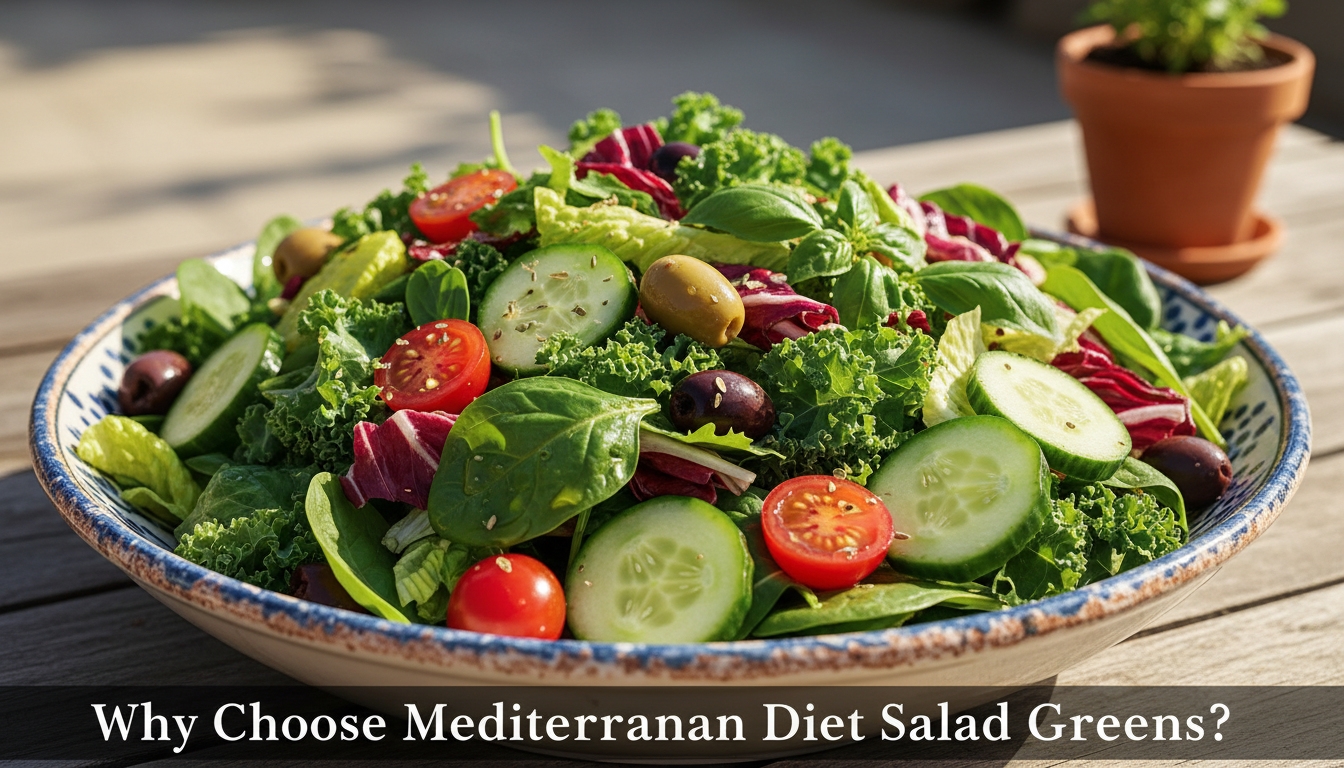
Why Choose Mediterranean Diet Salad Greens?
You’ll love Mediterranean‑style salad greens because they’re packed with antioxidant‑rich veggies, heart‑healthy olive oil, and fiber‑dense nutrients that boost immunity, stabilize blood sugar, and protect your heart. The polyphenols in tomatoes and peppers fight inflammation, while omega‑3s from olives and walnuts support cardiovascular function. Fresh seasonal greens add texture and vitamins A, C, and K for bone health and a vibrant bite. Keep reading to discover how to pair and store them for maximum flavor.
Identify Health Benefits of a Mediterranean Salad
Why does a Mediterranean salad feel like a health boost in a bowl? You’ll notice the bright mix of vegetables, olive oil, and nuts delivering antioxidants, fiber, and heart‑healthy fats. The polyphenols in tomatoes and peppers combat inflammation, while the omega‑3s from olives and walnuts support cardiovascular function. Fiber slows glucose absorption, stabilizing blood sugar and keeping you full longer. Vitamins A, C, and K from leafy greens boost immune response and bone health. The modest calorie density lets you enjoy generous portions without excess energy intake, aiding weight management. Additionally, the Mediterranean diet’s emphasis on plant‑based foods correlates with lower risks of type 2 diabetes, certain cancers, and neurodegenerative diseases. You also benefit from the gut‑friendly prebiotics in garlic and onions, which nurture beneficial microbiota. Altogether, these nutrients work synergistically, turning a simple salad into a powerful tool for long‑term wellness.
Select Fresh Seasonal Greens for a Mediterranean Salad
After enjoying the health‑boosting benefits of a Mediterranean salad, you’ll want to choose the right greens to keep that momentum going. In spring, reach for tender arugula, baby spinach, and young kale; their peppery bite and mild sweetness complement olive oil and lemon dressings.
Summer brings crisp romaine, buttery butter lettuce, and vibrant watercress—each stays crunchy even after a quick toss.
In autumn, opt for robust escarole, bitter dandelion greens, and hearty Swiss chard; their deeper flavors stand up to richer toppings like feta and olives.
Winter’s best picks include resilient kale, collard greens, and mustard greens, which retain texture when massised or massaged with lemon juice. When you shop, look for leaves that are bright, unblemished, and free of wilting. Rinse gently, spin dry, and store in a paper‑towel‑lined container to preserve freshness until you’re ready to assemble your Mediterranean masterpiece.
Pair Greens With Classic Mediterranean Veggies & Herbs
When you combine your chosen greens with classic Mediterranean vegetables and herbs, the flavors instantly harmonize into a bright, balanced bowl. Toss crisp spinach, arugula, or romaine with juicy cherry tomatoes, crunchy cucumbers, and peppery red onions. Add sweet bell peppers, briny Kalamata olives, and tangy capers for depth. Sprinkle fresh basil, oregano, and mint to lift the dish, then drizzle extra‑virgin olive oil and a squeeze of lemon for acidity. A pinch of sea salt and cracked black pepper finishes the seasoning without overwhelming the natural taste of the greens. If you like a bit of richness, crumble feta or shave Parmesan over the top; the salty cheese pairs perfectly with the herbaceous notes. The key is to keep each ingredient distinct yet cohesive, allowing the vegetables’ textures and the herbs’ aromatics to shine together in every bite.
Prep and Store Greens to Preserve Flavor & Nutrients
Any fresh green you handle can stay crisp and nutrient‑rich if you treat it right from the start. First, rinse each leaf in cold water, then spin it in a salad‑spinner or pat dry with a clean towel. Moisture fuels decay, so a dry surface is essential. Transfer the greens to a shallow container, line it with a paper towel, and cover loosely with another towel or a vented lid. Store in the refrigerator’s crisper drawer, where humidity is moderate. For longer shelf life, keep herbs separate from lettuce; wrap basil or mint in a damp paper towel inside a sealed bag. If you plan to use greens within two days, a simple zip‑top bag with a few air holes works fine. For longer storage, blanch sturdy greens like kale, shock them in ice water, then freeze in airtight bags. This routine locks in flavor, color, and the vitamins that define a Mediterranean salad.
Build a Balanced Mediterranean Salad Bowl for Any Meal
How can you create a Mediterranean salad bowl that satisfies hunger, fuels energy, and delights the palate at any mealtime?
Start with a base of dark leafy greens—spinach, arugula, or kale—then add a handful of colorful veggies like cherry tomatoes, cucumber slices, and roasted red peppers. Toss in a protein source: grilled chicken, chickpeas, or feta cheese for a boost of satiety. Sprinkle healthy fats with olives, avocado, or a drizzle of extra‑virgin olive oil. For texture, include whole‑grain couscous, quinoa, or toasted pine nuts. Finish with herbs—parsley, mint, or oregano—and a squeeze of lemon juice for brightness. Season lightly with sea salt and cracked pepper. This combination delivers fiber, protein, healthy fats, and antioxidants, keeping you full and focused from breakfast through dinner. Adjust portion sizes to match your caloric needs, and swap ingredients based on seasonal availability for endless variety.
Frequently Asked Questions
Can I Use Frozen Greens for a Mediterranean Salad?
Yes, you can use frozen greens—just thaw them, squeeze out excess moisture, and toss them with olive oil, lemon, olives, feta, and tomatoes for a quick Mediterranean‑style salad.
How Long Do Pre‑Washed Greens Stay Fresh?
You can keep pre‑washed greens fresh for about five to seven days in the fridge, as long as you store them in a sealed container, keep them dry, and check for any wilting or slime before eating.
Are There Gluten‑Free Dressing Options?
You can pick gluten‑free dressings like olive‑oil vinaigrette, lemon‑herb drizzle, or tahini‑lemon sauce; just check labels for wheat, barley, or rye ingredients, and you’ll stay safely gluten‑free.
Can I Add Protein Like Beans or Lentils?
You can definitely add protein—mix in canned beans, cooked lentils, or chickpeas. They boost satiety, complement the veggies, and keep the Mediterranean vibe while staying quick and nutritious.
Do Mediterranean Salads Suit a Low‑Sodium Diet?
You can keep Mediterranean salads low‑sodium by skipping salty cheeses, olives, and capers, using fresh herbs, lemon juice, and a light olive‑oil drizzle; add beans or lentils for protein without extra salt.
Conclusion
You’ve seen how fresh, seasonal greens, crisp veggies, and aromatic herbs create a vibrant Mediterranean salad that’s packed with antioxidants, heart‑healthy fats, and fiber. By prepping and storing them right, you keep flavor and nutrients intact, making a balanced bowl perfect for any meal. Embrace this simple, nutritious combo daily, and you’ll reap lasting health benefits while enjoying the delicious, sun‑kissed taste of the Mediterranean.


No Comments