
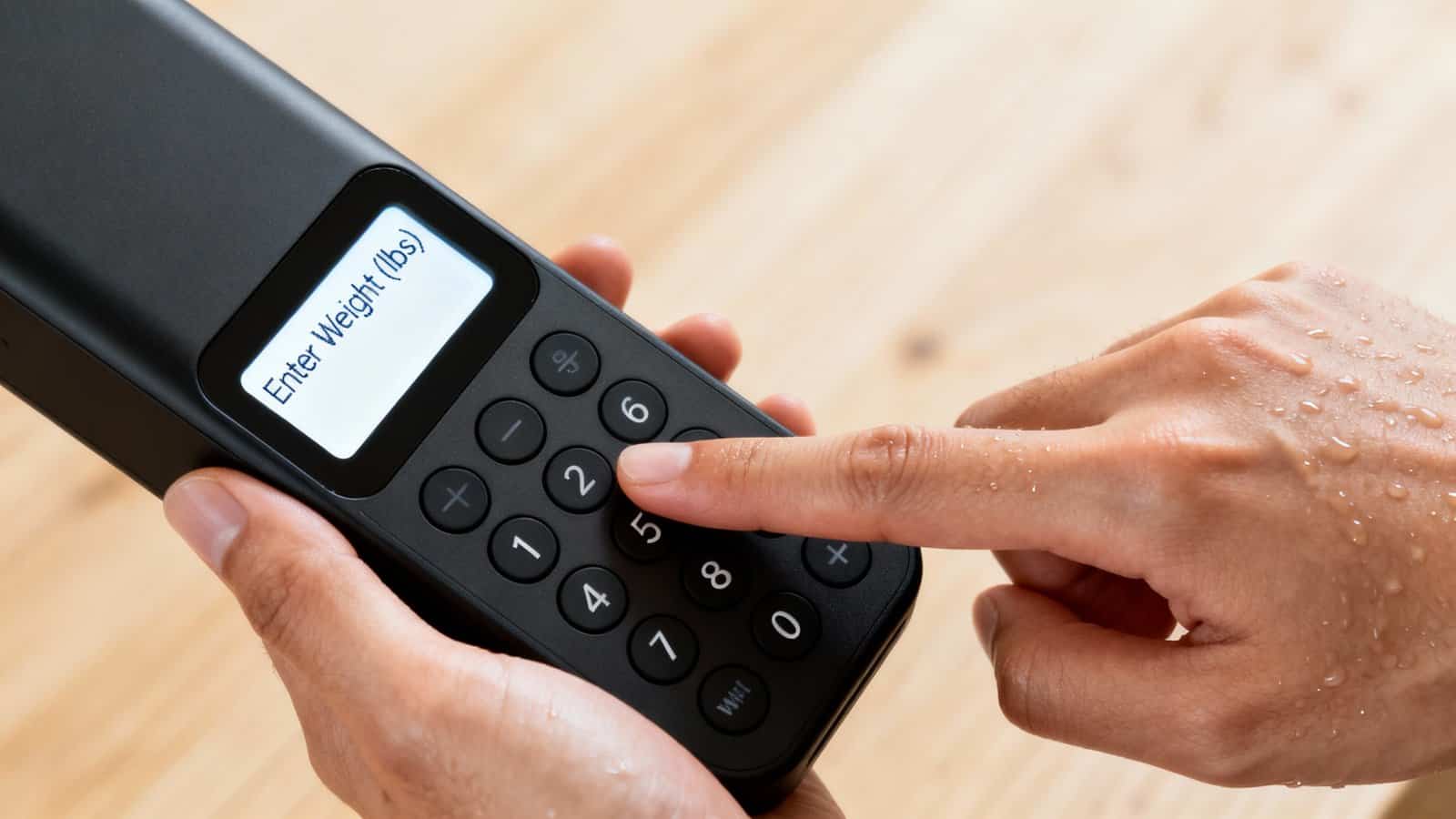
To calculate your daily water intake by weight, you’ll multiply your body weight in pounds by 0.67 to get your baseline ounces needed. For a 150-pound person, that’s about 100 ounces daily. You’ll then add 12 ounces for every 30 minutes of exercise and adjust for factors like hot weather or health conditions. Track your intake with apps or bottles, and check that your urine stays pale yellow. Master these adjustments to optimize your personal hydration formula.
Table of Contents
Key Takeaways
- Multiply your body weight in pounds by 0.67 to calculate your baseline daily water intake in ounces.
- Weigh yourself in the morning after using the bathroom for the most accurate weight measurement.
- Add 12 ounces for every 30 minutes of exercise to your baseline calculation.
- Increase your calculated intake by 20-30% if you live in hot climates or work outdoors.
- Track your actual intake against your calculated target using a journal or smartphone app.
Understanding the Basic Formula for Water Intake Calculation
When you’re trying to determine how much water you should drink daily, the most widely accepted formula starts with your body weight as the foundation. You’ll multiply your weight in pounds by 0.67 (or two-thirds) to get your baseline water intake in ounces. For example, if you weigh 150 pounds, you’d need approximately 100 ounces of water daily.
This calculation accounts for your body’s water composition, which makes up roughly 60% of your total weight. You’ll need to adjust this baseline based on your activity level, adding 12 ounces for every 30 minutes of exercise.
Despite common hydration myths suggesting everyone needs exactly eight glasses daily, your individual needs vary significantly. Climate, health conditions, and metabolism all influence your requirements. Don’t rely on thirst alone as an indicator—by then, you’re already mildly dehydrated. Instead, use this formula as your starting point and monitor your urine color for optimal hydration levels.
Step-by-Step Guide to Calculate Your Daily Water Needs
You’ll calculate your daily water needs in three simple steps that take less than a minute to complete.
First, you’ll note your current body weight, then multiply it by the standard hydration factor to get your baseline water requirement.
Finally, you’ll increase this amount based on your exercise routine and daily activity level to determine your personalized hydration target.
Find Your Body Weight
Grab your bathroom scale or step onto the gym’s digital scale to determine your accurate body weight—it’s the foundation for calculating your optimal daily water intake.
You’ll get the best weight accuracy by weighing yourself in the morning, after using the bathroom but before eating breakfast.
Wear minimal clothing or the same outfit each time you weigh yourself.
Don’t rely on outdated measurements from months ago.
Your body composition changes over time through muscle gain, fat loss, or natural fluctuations.
If you’re tracking hydration needs for athletic performance or health goals, update your weight weekly.
For the most reliable reading, place your scale on a hard, flat surface rather than carpet.
Stand still with your weight evenly distributed on both feet until the number stabilizes.
Apply Standard Formula
Now that you’ve determined your accurate body weight, calculating your daily water needs becomes straightforward with the standard hydration formula. You’ll multiply your weight in pounds by 0.5 to get the minimum ounces of water you should drink daily. For example, if you weigh 150 pounds, you’d need at least 75 ounces of water per day.
This calculation supports your body’s fluid thermoregulation, helping maintain optimal temperature through sweating and circulation. Proper hydration also ensures electrolyte balance, which controls nerve signals and muscle contractions. Remember, you’ll need to increase this baseline amount if you’re active, live in hot climates, or consume caffeine and alcohol. The formula provides your starting point—adjust based on your urine color, thirst levels, and energy throughout the day.
Adjust for Activity Level
After establishing your baseline water intake, you need to factor in your physical activity since exercise significantly increases fluid loss through sweat and respiration.
Add 12 ounces of water for every 30 minutes of exercise you perform daily. If you’re working out intensely or in hot conditions, you’ll need even more—up to 20 ounces per half hour.
Your lifestyle habits directly impact hydration requirements. Outdoor workers, athletes, and gym enthusiasts should multiply their baseline by 1.5 to 2. Weekend warriors can add 16-24 ounces on active days. Don’t forget that caffeine and alcohol increase fluid loss, requiring additional water consumption.
Proper hydration education helps you recognize when adjustments are necessary. Track your urine color—pale yellow indicates adequate hydration, while dark amber signals you need more fluids immediately.
Adjusting Your Water Intake for Physical Activity and Exercise
When you exercise, your body loses water through sweat and increased breathing, requiring you to drink more than your baseline calculation.
You’ll need to adjust your intake based on whether you’re doing light activities like walking, moderate exercise like jogging, or intense workouts like HIIT training.
After exercising, you should replace lost fluids by drinking an additional 12-16 ounces of water for every 30 minutes of activity, though this amount increases with higher intensity levels and warmer conditions.
Exercise Intensity Levels
As you increase your physical activity, your body’s water needs rise significantly beyond baseline requirements. Understanding exercise intensity levels helps you determine proper hydration thresholds for optimal performance. You’ll need different amounts of water based on how hard you’re working out.
Consider these intensity categories when calculating your water needs:
- Light intensity – Walking, gentle yoga (add 12 oz per hour)
- Moderate intensity – Jogging, cycling (add 16-24 oz per hour)
- High intensity – Running, HIIT workouts (add 24-36 oz per hour)
- Extreme intensity – Marathon training, competitive sports (requires sweat analysis for precision)
You can’t rely on thirst alone during exercise. Monitor your urine color and body weight changes to gauge hydration status. If you’re losing more than 2% of your body weight during workouts, you’re not drinking enough water.
Post-Workout Hydration Needs
Replenishing fluids after exercise isn’t just about drinking water—it’s about replacing what you’ve lost through sweat and respiration. You’ll need to adjust your intake based on workout intensity and duration. For every pound lost during exercise, drink 16-24 ounces of fluid.
| Workout Duration | Post-Exercise Intake |
|---|---|
| 30 minutes | 8-12 oz |
| 45 minutes | 12-16 oz |
| 60 minutes | 16-20 oz |
| 90 minutes | 20-24 oz + electrolytes |
| 120+ minutes | 24-32 oz + electrolytes |
Start your cool down sipping immediately after exercise. Don’t gulp large amounts at once—you’ll absorb fluids better through steady consumption over 2-4 hours. For intense workouts lasting over an hour, electrolyte replacement becomes crucial. Add sodium and potassium through sports drinks or whole foods to optimize recovery and maintain proper hydration levels.
Factoring in Climate, Health Conditions, and Special Circumstances
While your body weight provides a baseline for calculating daily water needs, you’ll need to adjust this amount based on several critical factors that significantly impact hydration requirements. Climate adaptation plays a crucial role—you’ll need 20-30% more water in hot, humid environments where you’re sweating constantly. Cold, dry climates also increase fluid loss through respiration.
Medical exceptions require careful consideration. Conditions affecting hydration include:
- Fever or infections – increase intake by 13% per degree above normal
- Kidney or heart conditions – may require fluid restrictions
- Diabetes – causes increased urination and thirst
- Medications – diuretics, blood pressure drugs affect fluid balance
Pregnancy demands an extra 10 ounces daily, while breastfeeding requires 32 additional ounces. If you’re traveling to high altitudes, you’ll lose more fluids through increased breathing rates. Age matters too—older adults have decreased thirst sensation and need conscious hydration efforts despite lower metabolic demands.
Best Times to Drink Water Throughout the Day for Maximum Benefits
Consistently timing your water intake throughout the day can dramatically improve hydration effectiveness and overall health benefits. Start with morning hydration by drinking 16-20 ounces immediately after waking to kickstart your metabolism and flush out toxins accumulated overnight. You’ll notice improved mental clarity and energy levels throughout your morning routine.
Space your water consumption evenly between meals, avoiding large amounts during eating to prevent digestive dilution. Aim for steady sips every 30-45 minutes rather than gulping large quantities sporadically.
| Time Period | Amount | Key Benefit |
|---|---|---|
| Upon Waking | 16-20 oz | Metabolism boost |
| Pre-Meal (30 min) | 8-12 oz | Appetite control |
| Post-Workout | 16-24 oz | Recovery enhancement |
For evening dehydration prevention, drink your last significant amount 2-3 hours before bed. This strategy ensures you’re hydrated overnight without disrupting sleep for bathroom trips. Reduce intake gradually after dinner, focusing on small sips if needed. You’ll wake refreshed and properly hydrated.
Tracking and Monitoring Your Hydration Progress Effectively
Now that you’ve established optimal drinking times, you’ll need reliable methods to track whether you’re meeting your hydration goals. Start with hydration journaling using a simple notebook or smartphone app to record your daily water intake. You’ll quickly identify patterns and gaps in your drinking habits.
Set specific, measurable targets based on your calculator results. Instead of vague goal setting like “drink more water,” commit to concrete numbers—eight 16-ounce bottles or 128 ounces daily. Track your progress hourly to stay accountable.
Monitor your hydration through these practical methods:
- Check urine color—pale yellow indicates proper hydration
- Weigh yourself before and after exercise to measure fluid loss
- Use smart water bottles that sync intake data to your phone
- Set hourly reminders until drinking becomes automatic
Review your tracking data weekly to spot trends. If you’re consistently falling short, adjust your approach. Small modifications like keeping water visible or flavoring it with fruit can significantly improve compliance rates.
Frequently Asked Questions
Can I Use Flavored Water or Tea to Meet My Daily Intake Goals?
Yes, you can count flavored hydration options toward your daily water goals. Unsweetened flavored water, sparkling water, and herbal teas contribute to your fluid intake.
However, you’ll want to limit caffeinated tea substitution since caffeine has mild diuretic effects. Avoid sugary drinks or those with artificial sweeteners as primary sources. You’re best mixing plain water with these alternatives, ensuring at least half your intake comes from pure water.
How Accurate Are Online Water Intake Calculators Compared to Professional Recommendations?
Online water intake calculators provide reasonably accurate baseline estimates, but you’ll notice estimation variability between different tools. They’re typically within 10-20% of professional recommendations for healthy adults.
You should check the source transparency of any calculator you’re using – reputable ones cite medical guidelines. While they’re helpful starting points, they can’t account for your individual health conditions, medications, or activity levels like a healthcare provider’s personalized assessment would.
Should Pregnant or Breastfeeding Women Use Different Calculation Methods?
Yes, you’ll need different calculation methods during these life stages.
Your pregnancy hydration requirements increase by about 10 ounces daily to support amniotic fluid and increased blood volume.
When you’re breastfeeding, your lactation needs jump even higher—add roughly 32 ounces to your baseline intake.
Don’t rely on standard calculators; they won’t account for these increased demands.
Instead, consult your healthcare provider for personalized recommendations based on your specific situation.
What Happens if I Consistently Drink More Than the Calculated Amount?
If you consistently drink more than your calculated amount, you’ll risk developing water toxicity, where excess water dilutes your blood sodium levels dangerously low.
You might experience headaches, nausea, confusion, or muscle cramps from electrolyte imbalance. Your kidneys can’t process excessive water fast enough, causing cells to swell.
While staying hydrated is important, overdoing it disrupts your body’s mineral balance and can lead to serious health complications.
Do Water Intake Calculators Work for Children and Teenagers?
Yes, water intake calculators can work for children and teenagers, but you’ll need to adjust for their unique growth patterns and development stages.
Kids’ hydration needs vary significantly based on age, body composition changes, and school activities like sports or PE classes.
You should look for pediatric-specific calculators that factor in age ranges, as children’s kidneys and body water percentages differ from adults.
Always consult your pediatrician for personalized recommendations.
Conclusion
You’ve learned how to calculate your daily water needs based on your weight and adjust for exercise, climate, and health conditions. Now it’s time to put this knowledge into practice. Start by determining your baseline intake, then modify it according to your lifestyle factors. Remember to spread your water consumption throughout the day and track your progress. Stay consistent with your hydration habits, and you’ll soon notice improvements in your energy, focus, and overall well-being.


No Comments