
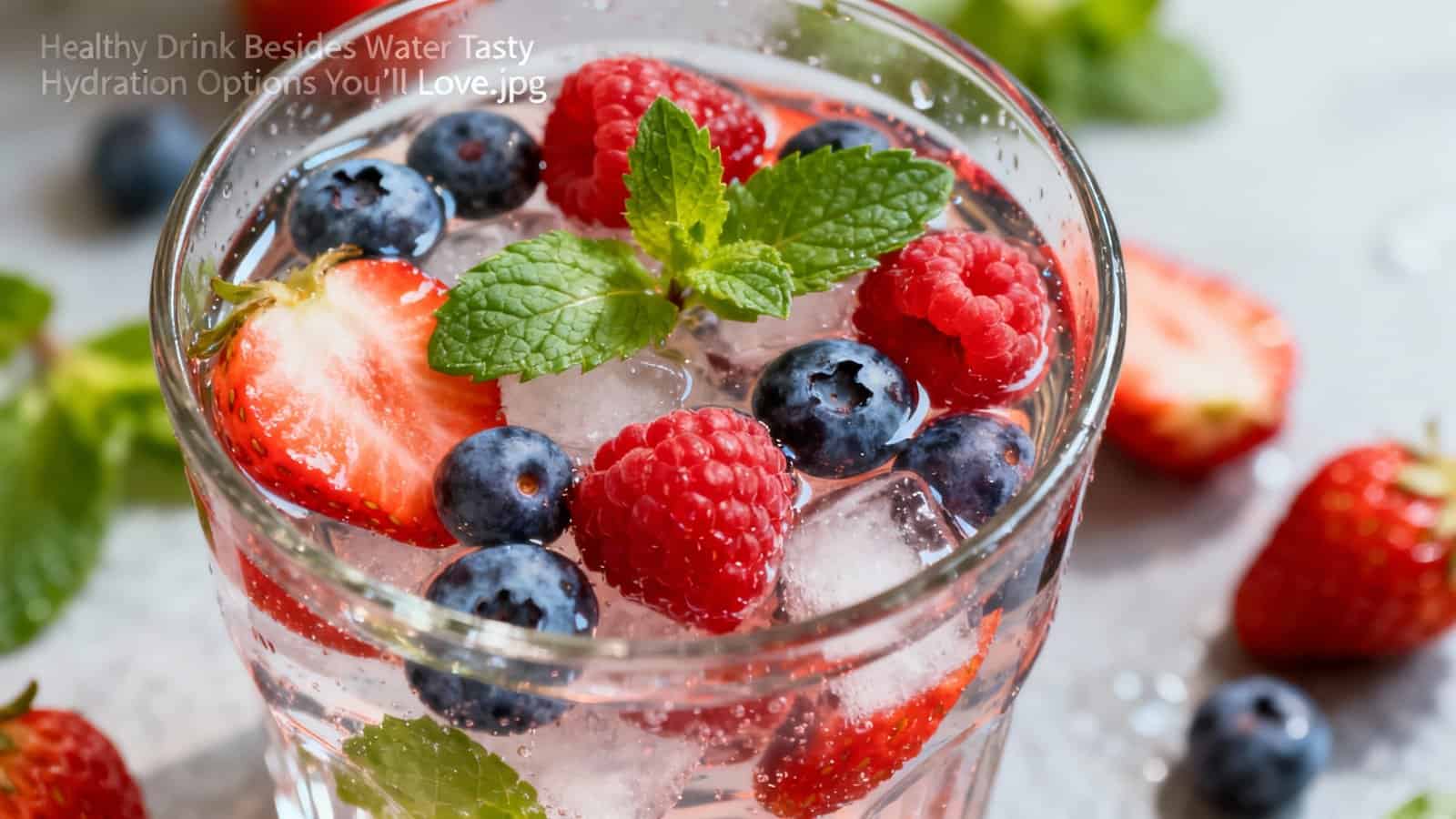
You’ll transform your hydration routine with nutrient-rich alternatives that outperform plain water. Green tea delivers catechins for heart health, while coconut water‘s natural electrolytes (~600mg potassium per cup) rival sports drinks. Kombucha‘s probiotics support gut health with minimal sugar, and bone broth provides collagen for joint support. Fresh vegetable juices concentrate vitamins for cellular hydration, plant-based milks offer fortified calcium, and fruit-infused waters create flavorful combinations. These beverages unlock powerful health benefits beyond basic thirst-quenching.
Table of Contents
Key Takeaways
- Green tea and herbal infusions provide antioxidants and anti-inflammatory compounds while keeping you hydrated without added sugars or calories.
- Coconut water naturally contains electrolytes like potassium and magnesium, making it an effective low-calorie sports drink alternative.
- Fruit-infused waters combine hydration with vitamins and natural flavors by steeping fresh fruits and herbs for 2-12 hours.
- Kombucha offers probiotics for gut health plus natural carbonation, providing a fizzy alternative to soda with significantly less sugar.
- Fresh vegetable juices deliver concentrated vitamins, minerals, and phytonutrients that support cellular hydration and electrolyte balance.
Green Tea and Herbal Infusions for Antioxidant Power

When you’re looking to boost both hydration and health benefits, green tea and herbal infusions deliver powerful antioxidants alongside essential fluids. You’ll find that green tea contains catechins, which fight inflammation and support heart health while keeping you hydrated throughout the day.
Transform your hydration routine with matcha rituals that provide sustained energy without the crash you’d get from coffee. You’re getting concentrated antioxidants since matcha uses the entire tea leaf, offering up to 137 times more antioxidants than regular green tea.
Explore caffeine-free herbal blends like chamomile, peppermint, and rooibos when you need evening hydration. You can enjoy these hot or cold, making them versatile year-round options. Hibiscus tea offers vitamin C and anthocyanins, while ginger tea aids digestion and reduces inflammation.
You’ll maximize benefits by steeping teas at proper temperatures—160-180°F for green tea and 212°F for most herbals. Add lemon to boost antioxidant absorption and create refreshing flavor combinations that’ll keep you reaching for these healthy alternatives.
Coconut Water as Nature’s Sports Drink
Often called nature’s perfect electrolyte drink, coconut water provides superior hydration with naturally occurring potassium, sodium, and magnesium that your body needs after exercise. You’ll get a natural potassium boost of about 600mg per cup, which beats most commercial sports drinks. This tropical beverage supports athletic recovery without artificial colors or added sugars.
| Nutrient | Amount (per cup) | Benefit |
|---|---|---|
| Potassium | 600mg | Muscle function |
| Sodium | 252mg | Fluid balance |
| Magnesium | 60mg | Energy production |
| Calories | 45 | Low-calorie option |
| Natural Sugars | 6g | Quick energy |
You’re getting five essential electrolytes that work together to prevent cramping and dehydration. After intense workouts, coconut water replenishes what you’ve lost through sweat more effectively than plain water. Choose brands without added sugars for maximum benefits. Store opened containers in your refrigerator and consume within 24 hours. For optimal results, drink it within 30 minutes post-workout when your muscles need nutrients most.
Kombucha for Gut Health and Natural Fizz
While kombucha’s fizzy appeal makes it a refreshing alternative to soda, you’re also getting powerful probiotics that support digestive health and hydration.
This fermented tea drink contains beneficial bacteria and yeasts from SCOBY cultivation that can improve your gut microbiome while keeping you refreshed.
The fermentation benefits extend beyond probiotics.
You’ll find B vitamins, antioxidants, and organic acids that help your body maintain proper fluid balance.
The natural carbonation satisfies your craving for something bubbly without the artificial ingredients found in conventional sodas.
Here’s what makes kombucha an excellent hydration choice:
- Lower sugar content – Most varieties contain 2-6 grams compared to soda’s 40+ grams
- Electrolyte boost – Natural minerals support cellular hydration
- Versatile flavors – From ginger-lemon to berry blends, you’ll find options you love
Start with 4-8 ounces daily to let your digestive system adjust.
Choose brands with minimal added sugars and live cultures for maximum benefits.
Fresh Vegetable Juices Packed With Vitamins
Beyond fermented options, fresh vegetable juices deliver concentrated nutrition that supports hydration at the cellular level.
You’ll absorb vitamins, minerals, and phytonutrients more efficiently when vegetables are juiced rather than eaten whole. Green leafy blends containing spinach, kale, and cucumber provide iron, vitamin K, and potassium while maintaining your body’s fluid balance.
You can boost your energy with carrot-ginger root shots that pack beta-carotene and anti-inflammatory compounds into a small serving. Beet juice enhances blood flow and stamina, while celery juice replenishes electrolytes lost through sweat. For optimal results, drink vegetable juices on an empty stomach and combine complementary vegetables—tomatoes with bell peppers for vitamin C, or carrots with dark greens for balanced nutrition.
Make juicing convenient by preparing ingredients the night before and storing them in airtight containers. You’ll maximize nutrient retention by drinking juice immediately after extraction, though refrigerated juice stays fresh for up to 24 hours.
Plant-Based Milks for Creamy Calcium Boosts
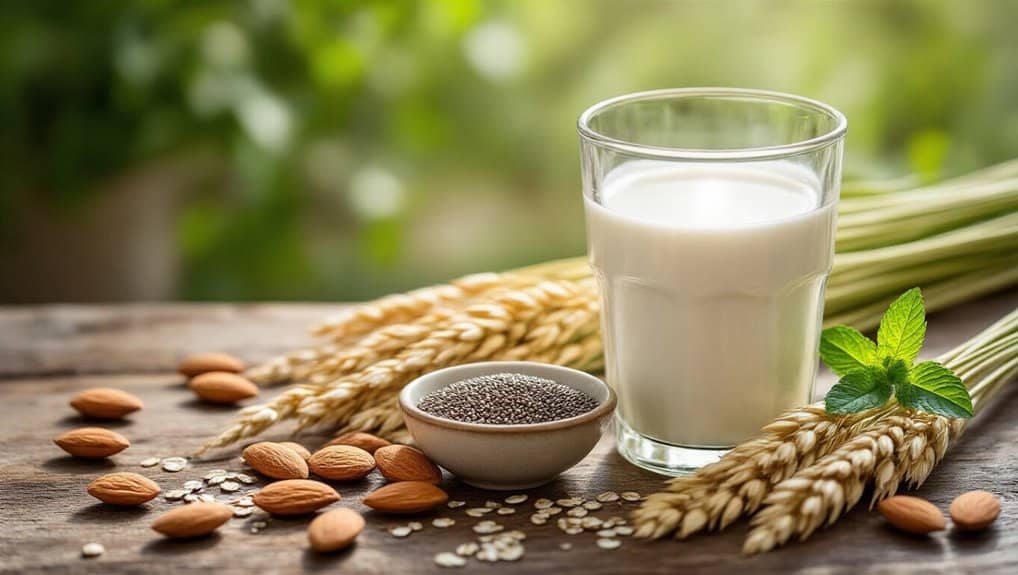
Switching from vegetable juices to plant-based milks gives you another nutrient-dense hydration option with added protein and healthy fats. You’ll find these creamy alternatives deliver essential calcium while keeping you refreshed throughout the day.
Plant-based milks offer distinct advantages that make them smart hydration choices:
- Fortified nutrition – Most contain added vitamin D, B12, and calcium, matching dairy milk’s levels
- Diverse flavors – Choose from soy, coconut, cashew, or hemp varieties based on your taste preferences
- Lower calories – Unsweetened versions typically contain 30-80 calories per cup
Oat benefits include beta-glucan fiber that supports heart health and stabilizes blood sugar. You’ll also appreciate oat milk‘s naturally sweet taste without added sugars.
Almond sustainability concerns have led many brands to improve water usage and support bee populations through responsible farming practices. When selecting plant-based milks, check labels for minimal ingredients and avoid excessive additives. These versatile drinks work perfectly in smoothies, coffee, or enjoyed straight from the glass.
Fruit-Infused Waters and Natural Flavor Combinations
You’ll transform plain water into a refreshing treat by combining fruits like cucumber-mint, strawberry-basil, or citrus-berry blends that complement each other’s natural sweetness and acidity.
For optimal flavor extraction, let soft fruits like berries infuse for 2-4 hours, while firmer ingredients like apples or citrus need 6-12 hours in the refrigerator.
The longer you steep your combinations, the more intense the taste becomes, but remove the fruit after 24 hours to prevent bitterness or mushiness.
Best Fruit Combinations
Stepping up your hydration game with fruit-infused waters opens a world of refreshing possibilities that’ll keep you reaching for your glass all day long. You’ll discover that certain combinations deliver exceptional flavor while maximizing nutritional benefits.
Try these winning combinations that’ll transform plain water into a craveable drink:
- Strawberry-Lemon-Mint: This classic trio provides vitamin C and natural sweetness without overwhelming your palate
- Berry Basil Blast: Mix blueberries and raspberries with fresh basil for an antioxidant-rich combination that’s surprisingly sophisticated
- Mango Chili Sunrise: Pair sweet mango chunks with a pinch of chili powder for a metabolism-boosting drink with tropical flair
You’ll find these combinations work best when you muddle fruits gently and let them infuse for 2-4 hours in the refrigerator. The longer steeping time intensifies flavors naturally.
Infusion Time Guidelines
While experimenting with fruit-infused waters, understanding proper infusion times makes the difference between a perfectly balanced drink and one that’s either bland or overpoweringly bitter.
You’ll find that optimal steeping varies by ingredient type. Soft fruits like berries and citrus slices release their flavors within 2-4 hours at room temperature. For firmer additions like apples or cucumbers, you’ll need 4-6 hours to extract meaningful taste.
Cold brewing timelines differ significantly—refrigerated infusions require 12-24 hours for full flavor development. You can’t rush this process without compromising quality.
Herbs need special attention; mint and basil become bitter after 4 hours, so remove them early. For stronger flavors, don’t extend steeping time—instead, increase your fruit-to-water ratio. Always strain ingredients after the recommended period to prevent over-extraction and maintain your drink’s refreshing quality.
Bone Broth for Protein and Mineral Support
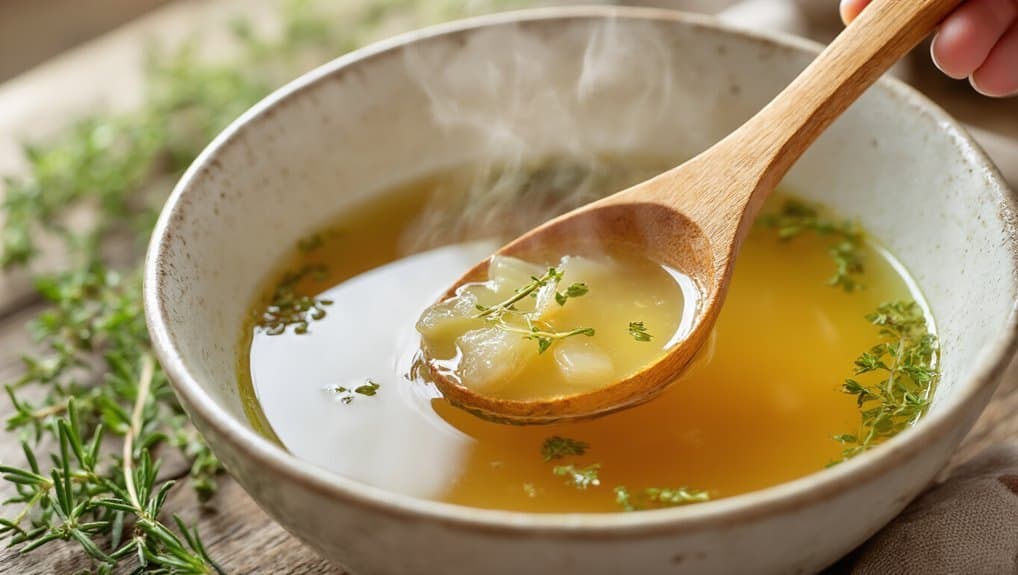
You’ll find bone broth delivers more than just hydration through its rich collagen content that supports joint flexibility and connective tissue repair.
This savory drink naturally contains sodium, potassium, and magnesium—the essential electrolytes your body loses through sweat and daily activities.
Unlike plain water, bone broth’s protein and mineral combination helps maintain fluid balance while nourishing your muscles and bones.
Collagen and Joint Health
Nourishment takes many forms, and bone broth delivers it through collagen-rich proteins and essential minerals that support your joints while keeping you hydrated.
You’ll find bone broth’s collagen naturally breaks down into hydrolyzed peptides during cooking, making them easier for your body to absorb. While traditional broths use beef or chicken bones, marine collagen from fish bones offers an alternative that’s equally beneficial for joint flexibility and cartilage repair.
Your joints benefit from bone broth’s unique nutrient profile:
- Glucosamine and chondroitin – reduce inflammation and improve mobility
- Calcium and magnesium – strengthen connective tissue structure
- Amino acids – rebuild cartilage and cushion joints
You can sip warm broth between meals or use it as a soup base. The savory flavor satisfies while delivering targeted joint support that plain water can’t provide.
Essential Electrolyte Balance
Beyond joint support, bone broth’s mineral content helps maintain the electrolyte balance your body needs for proper hydration and cellular function. You’ll get sodium potassium regulation that controls fluid levels while magnesium calcium work together for muscle contractions and nerve signaling.
These minerals don’t just hydrate—they’re essential for your body’s electrical system. When you’re sweating or stressed, you’re losing these vital electrolytes that water alone can’t replace.
| Electrolyte | Function in Hydration |
|---|---|
| Sodium | Regulates fluid balance |
| Potassium | Controls cell hydration |
| Magnesium | Supports water absorption |
Bone broth delivers these minerals in their most bioavailable form. You’re getting nature’s sports drink without artificial additives. One cup provides approximately 10% of your daily magnesium needs plus trace minerals that enhance overall absorption and cellular uptake.
Sparkling Water With Fresh Citrus and Herbs
Bubbles transform ordinary hydration into a refreshing experience when you add sparkling water to your daily routine.
You’ll discover that carbonated water provides the same hydration benefits as still water while delivering an exciting sensory experience that makes drinking more enjoyable.
Transform your sparkling water with these simple combinations:
- Lemon and basil – Practice citrus muddling to release essential oils before adding fresh basil leaves
- Orange and mint – Squeeze orange slices directly into your glass with torn mint for instant flavor
- Grapefruit and rosemary – Try herb spriglining by running rosemary stems along the rim before dropping them in
You’re creating sophisticated, zero-calorie beverages that rival expensive store-bought options.
The natural compounds from fresh citrus provide vitamin C and antioxidants, while herbs contribute antimicrobial properties.
Keep prepped ingredients in your refrigerator for quick assembly.
You’ll find yourself reaching for these flavorful combinations instead of sugary drinks, supporting both hydration and overall health goals.
Frequently Asked Questions
Can These Healthy Drinks Replace Water Entirely in My Daily Hydration Routine?
No, it’s not advisable to make a complete replacement of water with other healthy drinks. While you’ll enjoy variety, your body needs pure water for optimal electrolyte balance and cellular function.
You’d increase your kidney workload by forcing them to process additional sugars, minerals, and compounds found in other beverages. You should keep water as your primary hydration source and treat other drinks as complementary options for flavor and nutrients.
How Many Calories Do These Water Alternatives Typically Contain per Serving?
You’ll find calorie comparisons vary widely among healthy drink alternatives.
Plain coconut water contains about 45 calories per cup, while unsweetened almond milk has roughly 30-40 calories.
Herbal teas and infused waters have virtually zero calories.
Green smoothies can range from 150-300 calories depending on ingredients.
Kombucha typically contains 30-50 calories per serving sizes of 8 ounces.
Fresh vegetable juices average 50-70 calories per cup, making portion control important for your daily intake.
Are There Any Healthy Drinks Safe for Children Under Five Years Old?
Yes, you’ll find several safe options for young children. Diluted fruit smoothies made with whole fruits provide vitamins while controlling sugar intake. You can offer caffeine-free herbal infusions like chamomile or rooibos served lukewarm.
Plain milk remains excellent for toddlers over one year. You’ll want to avoid honey-containing drinks before age one and always dilute fruit juices. Remember, small portions work best for tiny tummies, and water should remain their primary beverage.
What’s the Best Time of Day to Consume These Hydration Alternatives?
You’ll maximize hydration benefits by drinking these alternatives during early morning to kickstart your metabolism and replace fluids lost overnight. They’re also ideal for post-workout recovery when your body needs quick rehydration and electrolyte replenishment.
Avoid caffeinated options before bed as they’ll disrupt sleep. Spread your intake throughout the day, focusing on water-rich drinks during meals and coconut water or diluted juices after physical activities for optimal absorption.
How Long Can I Store Homemade Healthy Drinks in the Refrigerator?
You can typically store homemade healthy drinks for 3-5 days in your refrigerator. The storage duration depends on ingredients used – fresh fruit drinks last 2-3 days, while herbal teas keep longer.
Check freshness indicators like smell, color changes, or cloudiness before drinking. If you notice separation, fizzing, or off-odors, it’s time to toss it.
Store drinks in airtight glass containers and shake well before consuming for the best results.
Conclusion
You’ve discovered eight amazing alternatives to plain water that’ll keep you hydrated while boosting your health. Whether you’re sipping antioxidant-rich green tea, replenishing with coconut water, or enjoying probiotic-packed kombucha, you’re making smart choices for your body. Don’t forget to experiment with vegetable juices, plant milks, and infused waters to find your favorites. Mix these options throughout your day, and you’ll never get bored while meeting your hydration needs and supporting your overall wellness.


No Comments