
Nutritious Fall Season Vegetables You Should Eat This Season
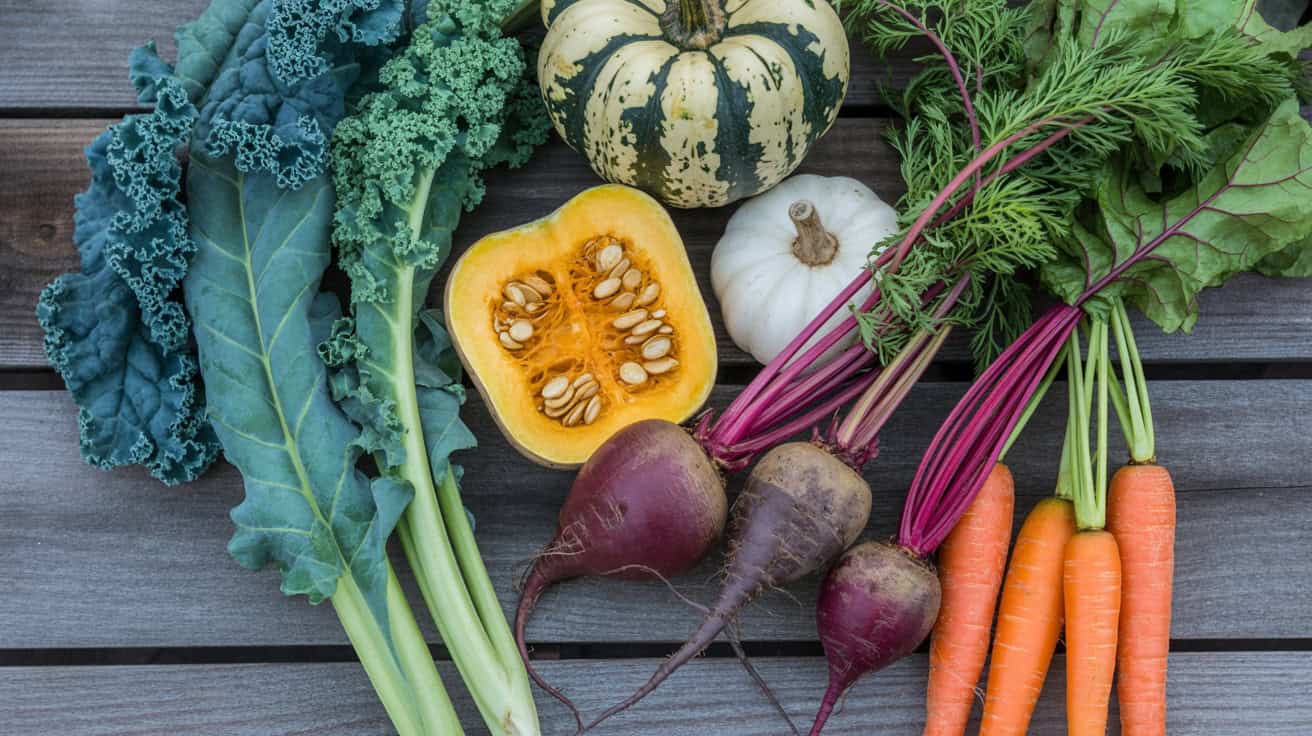
You’ll find fall vegetables offer incredible variety with root vegetables like purple carrots and golden beets, winter squashes including butternut and acorn, plus cold-hardy cruciferous crops like broccoli and Brussels sprouts. These vegetables develop sweeter flavors after frost exposure, providing superior nutrition with high vitamin content and antioxidants. Plant them 60-90 days before your first frost date, harvest at peak ripeness, and store properly to enjoy autumn’s bounty through creative roasting, braising, and preserving methods that maximize their seasonal potential.
Key Takeaways
- Root vegetables like carrots, beets, and rutabagas reach peak sweetness in fall due to cool temperatures.
- Winter squashes, including butternut, acorn, and sugar pumpkins, are ready when the skins harden and resist punctures.
- Cruciferous vegetables such as broccoli, cauliflower, cabbage, and Brussels sprouts thrive in temperatures below 50°F.
- Cold-hardy leafy greens like kale, spinach, arugula, and collards grow sweeter and more tender in autumn.
- Plant fall vegetables 60-90 days before the first frost, with broccoli and cauliflower needing 12-14 weeks.
Root Vegetables That Peak in Autumn
When autumn arrives and temperatures drop, root vegetables reach their peak flavor and sweetness. You’ll find that carrots, beets, parsnips, and turnips develop richer tastes after experiencing cool nights, as the plants convert starches into sugars for frost protection.
Understanding proper harvesting techniques ensures you’ll get the best quality produce. You should harvest root vegetables when the soil’s slightly moist but not waterlogged. Pull them gently to avoid breaking the roots, and brush off excess dirt rather than washing them if you’re planning storage.
Different root vegetable varieties offer unique flavors and textures. You can choose purple carrots for their earthy sweetness, golden beets for their mild taste, or rutabagas for their nutty profile. Each variety has specific maturity dates, so you’ll need to plan your harvest accordingly.
Store your freshly harvested roots in cool, humid conditions to maintain their crispness and extend their shelf life through winter.
Squash and Pumpkin Varieties to Harvest Now
Moving beyond the earth’s hidden treasures, fall’s most visible harvest awaits in sprawling vines across gardens and farms.
You’ll find butternut squash ready when its skin turns tan and resists fingernail punctures. Check acorn and delicata squash varieties for deep color and hard rinds—they’re perfect for roasting. Your spaghetti squash needs a golden-yellow hue before you cut it from the vine.
Among pumpkin types, you can’t go wrong with sugar pumpkins for pies and soups. They’re sweeter and less watery than carving varieties. Look for Cinderella pumpkins with their distinctive flat shape and deep ribs—they’re excellent for both decoration and eating.
You’ll know pumpkins are ready when they’ve developed their full color and sound hollow when tapped. Test the stem; it should be hard and woody.
Harvest all your squash and pumpkins before the first hard frost, leaving three inches of stem attached to prevent rot during storage.
Cruciferous Vegetables for Cold-Weather Gardens
You’ll find that cruciferous vegetables like kale, Brussels sprouts, and cabbage actually thrive when temperatures drop below 50°F.
These hardy crops develop sweeter flavors after exposure to light frosts, making them perfect candidates for your fall garden.
Best Varieties to Plant
Although many vegetables struggle in cold weather, cruciferous varieties actually thrive when temperatures drop, making them perfect choices for your fall garden. You’ll find that heirloom varieties offer superior cold tolerance and flavor compared to hybrid options. Consider planting ‘January King’ cabbage or ‘Purple Cape’ cauliflower for exceptional hardiness.
| Vegetable | Days to Maturity |
|---|---|
| Broccoli ‘Waltham 29’ | 75-85 days |
| Kale ‘Winterbor’ | 60-70 days |
| Brussels ‘Long Island’ | 90-100 days |
When selecting varieties, you’ll want those bred specifically for cold resistance. Plant broccoli and cauliflower first since they need longer growing periods. Through companion planting, pair your cruciferous crops with onions or herbs to deter pests naturally. Choose compact varieties if you’re working with limited space—they’ll produce just as well.
Growing in Cold Conditions
Since cruciferous vegetables naturally contain antifreeze compounds, you’ll find they’re perfect for cold-weather cultivation. These hardy plants actually improve in flavor after frost exposure, as their starches convert to sugars.
You can extend your growing season significantly with simple garden adaptations.
Here’s what you’ll need for success:
- Row covers – Protect plants from harsh winds while allowing sunlight through
- Mulch layers – Insulate soil and maintain consistent root temperatures
- Cold frames – Create microclimates that boost growth rates
- Succession planting – Stagger crops every two weeks for continuous harvest
- Proper spacing – Ensure adequate airflow to prevent fungal issues
When temperatures drop below 28°F, you’ll want to harvest mature heads immediately. Your Brussels sprouts, kale, and cabbage can withstand light freezes, but they’ll need protection during severe cold snaps.
Harvest Timing Tips
When you’re monitoring your cruciferous vegetables for peak harvest readiness, watch for specific visual and tactile cues that indicate optimal maturity.
You’ll know broccoli’s ready when its head feels firm and the florets remain tightly closed. Harvest cauliflower once it reaches 6-8 inches across with compact curds. For cabbage, squeeze the head—it should feel solid without any give.
Your harvest indicators change with seasonal adjustments. Brussels sprouts actually improve after exposure to frost, becoming sweeter.
You can harvest kale continuously by picking the outer leaves while the center continues to produce. In colder months, you’ll notice slower growth rates, so extend your harvest window accordingly.
Check your vegetables daily during peak season since they’ll bolt quickly if temperatures suddenly rise. Time your morning harvests when the moisture content is highest for crispest results.
Leafy Greens That Thrive in Cool Temperatures
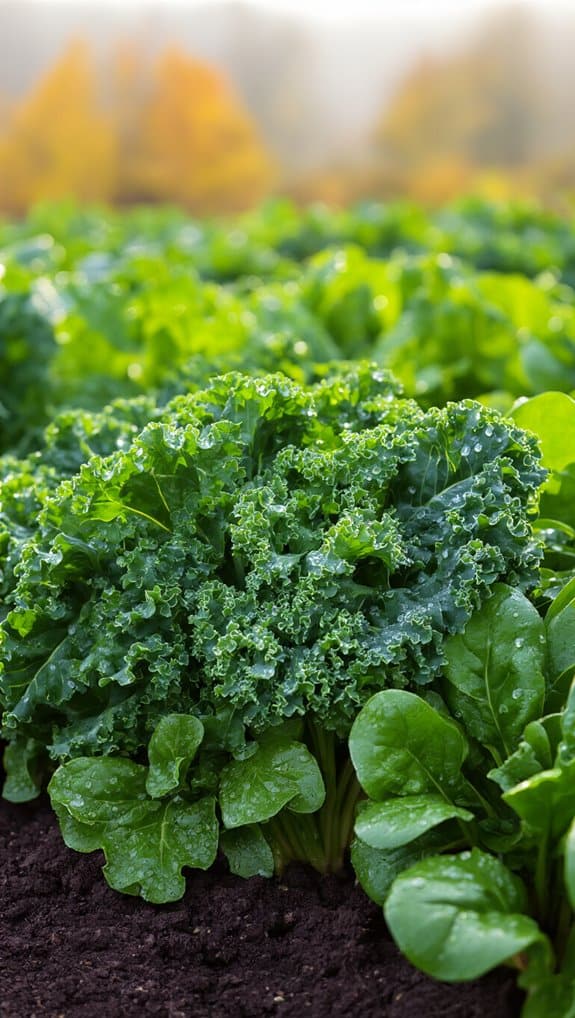
You’ll find leafy greens actually prefer the cooler temperatures of fall, growing sweeter and more tender than their summer counterparts.
From frost-resistant spinach and kale to quick-maturing arugula and mizuna, you’ve got plenty of options that’ll flourish as temperatures drop.
Let’s explore which varieties work best in your zone, how to keep them productive through temperature swings, and when to harvest for peak flavor.
Best Cold Hardy Varieties
Several leafy greens actually perform better in cool weather than they do during summer’s heat.
You’ll find these cold-hardy vegetable varieties actually develop sweeter, more complex flavors after exposure to light frosts. They’re perfect for extending your harvest well into late autumn.
Here are the most reliable performers for your fall garden:
- Kale ‘Winterbor’ – Survives temperatures down to 5°F
- Spinach ‘Bloomsdale’ – Produces thick, savoyed leaves resistant to bolting
- Arugula ‘Astro’ – Maintains mild flavor despite cold exposure
- Mâche – Thrives in temperatures as low as 10°F
- Collards ‘Champion’ – Becomes sweeter after frost exposure
You can succession plant these varieties every two weeks through early fall.
They’ll continue producing fresh leaves even when other crops have finished, providing nutritious greens throughout the coldest months.
Growing and Care Tips
While your cold-hardy greens can withstand freezing temperatures, they’ll produce more abundant harvests with proper care during the fall growing season.
Start with thorough soil preparation by incorporating compost or aged manure two weeks before planting. You’ll want well-draining soil with a pH between 6.0 and 7.0.
Water consistently, but don’t overdo it—soggy conditions invite disease. Apply mulch around plants to regulate soil temperature and retain moisture.
For pest management, check leaves regularly for aphids and cabbage worms, which remain active in cooler weather. Row covers provide excellent protection while allowing light and rain through.
Fertilize every three weeks with a balanced liquid fertilizer at half strength. Harvest outer leaves frequently to encourage continuous growth throughout fall.
Harvest Timing Methods
- Check leaf size daily—most greens taste best at 4-6 inches.
- Feel leaves for firmness; limp foliage indicates stress.
- Monitor weather forecasts—harvest before hard freezes.
- Test-taste leaves for bitterness levels.
- Watch for flowering stalks that signal bolting.
- Check leaf size daily—most greens taste best at 4-6 inches.
You can extend harvests by picking frequently, which encourages new growth.
Remove entire plants if they show disease signs or pest damage.
Storage Tips for Your Fall Harvest
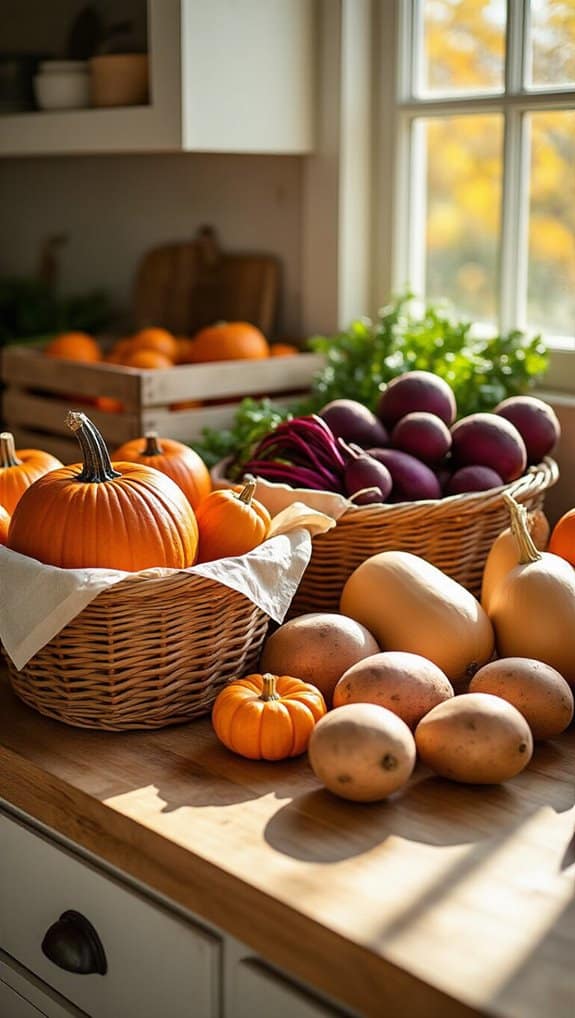
After you’ve harvested your fall vegetables, proper storage becomes crucial to maintain their freshness and nutritional value throughout the season. You’ll need to master temperature control and maintain proper humidity levels for each crop type. Root vegetables like carrots and beets thrive in cold, humid conditions around 32-40°F, while winter squash prefers warmer, drier spaces at 50-55°F.
| Vegetable | Storage Method |
|---|---|
| Potatoes | Dark cellar, 40°F |
| Cabbage | Refrigerator crisper |
| Onions | Mesh bags, dry area |
| Carrots | Sand box, cold room |
Don’t wash vegetables before storing—excess moisture causes rot. You can leave root crops unwashed with soil clinging to them for extended storage. Remove damaged produce immediately since it’ll spoil others nearby. Check your stored vegetables weekly and use any showing signs of deterioration first. With these methods, you’ll enjoy your harvest’s bounty well into the winter months.
Best Cooking Methods for Autumn Produce
When you’re ready to transform your fall vegetables into delicious meals, roasting stands out as the premier cooking method for autumn produce. You’ll enhance natural sugars in root vegetables and squashes when you apply high heat. Set your oven to 425°F and toss vegetables with olive oil before spreading them on sheet pans.
Beyond basic roasting methods, you’ve got versatile options for cooking fall’s bounty:
- Caramelize Brussels sprouts until edges turn crispy brown
- Steam-sauté hearty greens like kale and chard
- Braise cabbage with apple cider vinegar
- Grill thick slices of butternut squash
- Slow-cook root vegetable stews
Master sautéing techniques by heating your pan first, then adding oil. You’ll prevent sticking and achieve better browning. Cut vegetables uniformly for even cooking.
Don’t overcrowd the pan—you’ll steam instead of sear. Season generously with herbs like sage, rosemary, and thyme. These methods bring out autumn produce’s best flavors while preserving nutrients.
Nutritional Benefits of Seasonal Fall Vegetables
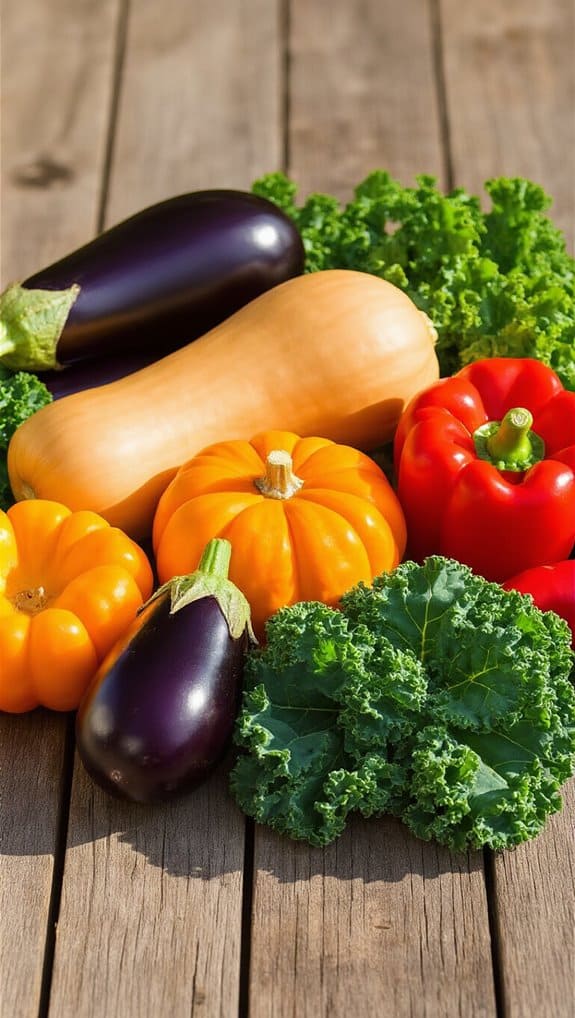
Now that you’ve mastered cooking these autumn vegetables, you’ll want to understand their impressive nutritional profile.
Fall’s root vegetables pack essential vitamins like A and C, while their high fiber content supports digestive health and keeps you satisfied longer.
You’re also getting powerful antioxidants from deeply colored produce like beets and sweet potatoes, which help protect your cells from damage.
Vitamin Rich Root Vegetables
Root vegetables transform your fall meals into nutritional powerhouses packed with essential vitamins and minerals.
You’ll discover exceptional nutrient density in carrots, sweet potatoes, and beets during autumn’s harvest. These underground treasures provide vitamin A for vision, vitamin C for immunity, and potassium for heart health.
Here’s what you’re getting from fall’s root vegetables:
- Beta-carotene in orange varieties fights free radicals
- Fiber content supports digestive health
- B vitamins boost energy metabolism
- Iron helps oxygen transport throughout your body
- Antioxidants reduce inflammation and disease risk
You can maximize these benefits by incorporating root vegetables into seasonal recipes like roasted medleys, hearty soups, and warming stews.
They’re naturally sweet when caramelized, making them perfect for both savory dishes and healthier desserts.
Fiber Content Benefits
While fall vegetables deliver impressive vitamin profiles, they’re equally remarkable for their exceptional fiber content that supports your overall health.
You’ll find that autumn’s harvest provides some of nature’s best fiber sources, with butternut squash offering 6.6 grams per cup and Brussels sprouts packing 4 grams per serving.
These seasonal vegetables enhance your digestive health by promoting regular bowel movements and feeding beneficial gut bacteria.
When you eat fiber-rich fall produce like sweet potatoes, beets, and cabbage, you’re helping stabilize blood sugar levels and reducing cholesterol.
You’ll also feel fuller longer, which aids weight management. The soluble and insoluble fibers in these vegetables work together to prevent constipation, reduce inflammation, and lower your risk of chronic diseases like heart disease and diabetes.
Antioxidant Power Sources
Beyond their fiber benefits, fall vegetables stand out as potent defenders against cellular damage through their rich antioxidant compounds.
You’ll discover remarkable superfood benefits in autumn’s harvest, where vibrant colors signal powerful protective properties. Orange sweet potatoes deliver beta-carotene, while deep red beets provide betalains that combat oxidative stress.
Your body craves these antioxidant varieties during seasonal transitions. Here’s what you’re getting:
- Vitamin C from Brussels sprouts strengthens immunity
- Anthocyanins in purple cabbage protect brain function
- Quercetin from onions reduces inflammation
- Lutein in winter squash supports eye health
- Selenium from mushrooms boosts thyroid function
You can’t match fall vegetables’ concentrated antioxidant power. They’re nature’s defense system, offering protection that supplements can’t replicate.
Stock your kitchen with these seasonal warriors.
When to Plant for a Successful Fall Garden
If you’re aiming for a bountiful fall harvest, you’ll need to count backward from your area’s first expected frost date to determine the ideal planting window. Most fall vegetables require 60-90 days to mature, so you’ll typically start seeds in mid-to-late summer.
Check seed packets for specific maturity dates and add two weeks for slower growth in cooler weather.
Your fall planting success depends on proper garden preparation. Remove spent summer crops and work compost into the soil before sowing.
You’ll want to plant cool-season crops like broccoli, cauliflower, and Brussels sprouts 12-14 weeks before the first frost. Faster-growing vegetables such as lettuce, spinach, and radishes can go in 6-8 weeks before frost arrives.
Don’t forget that transplants give you a head start. If you’ve missed the seed-starting window, nursery seedlings can save your season.
Water consistently during late summer’s heat to ensure strong establishment before temperatures drop.
Preserving and Canning Your Autumn Bounty
When your fall vegetables reach peak ripeness, you’ll want to preserve them quickly to capture their fresh flavors and nutrients.
You’ve worked hard growing these crops, so don’t let them go to waste. Different preserving methods work better for specific vegetables—choose the right technique for each harvest.
Master these essential canning techniques for your autumn produce:
- Water bath canning – Perfect for high-acid foods like tomato sauce and pickled beets
- Pressure canning – Required for low-acid vegetables like green beans and corn
- Freezing – Maintains texture in Brussels sprouts, cauliflower, and broccoli
- Dehydrating – Concentrates flavors in herbs, peppers, and root vegetable chips
- Fermentation – Creates probiotic-rich sauerkraut and kimchi from cabbage
You’ll need proper equipment: sterilized jars, lids, and a reliable canner.
Always follow tested recipes and processing times. Label everything with dates and contents.
Store your preserved goods in cool, dark spaces to maximize shelf life.
Recipe Ideas for Fall Vegetable Dishes
After you’ve harvested and preserved your fall vegetables, you’ll discover endless possibilities for transforming them into hearty, satisfying meals.
Start with classic autumn soups that showcase your harvest’s best flavors. You can’t go wrong with butternut squash bisque, pumpkin curry soup, or rustic vegetable minestrone featuring cabbage, carrots, and potatoes.
Roasted vegetables become the star of your dinner table when you toss Brussels sprouts, beets, and parsnips with olive oil and herbs, then caramelize them at high heat.
Try sheet pan dinners combining root vegetables with protein for effortless weeknight meals.
Don’t overlook creative applications like cauliflower steaks, stuffed acorn squash, or sweet potato gnocchi.
Transform your kale into crispy chips, blend beets into hummus, or spiralize turnips for low-carb pasta alternatives.
These versatile ingredients adapt to any cuisine—from Thai-spiced pumpkin stir-fry to Italian-inspired chard gratin. Your fall vegetables will keep your kitchen exciting throughout the season.
Frequently Asked Questions
Can I Grow Fall Vegetables in Containers or Pots?
Yes, you can definitely grow fall vegetables in containers or pots!
Container gardening works perfectly for fall planting of crops like lettuce, spinach, kale, and radishes. You’ll need pots at least 6-12 inches deep with drainage holes.
Place them where they’ll get 4-6 hours of sunlight daily. Water regularly since containers dry out faster than garden beds.
You can even move pots indoors if frost threatens your harvest.
Which Fall Vegetables Are Safe for Pets to Eat?
You’ll find several fall vegetables that’re safe for your pets.
Consider pumpkin safety first – plain, cooked pumpkin without spices makes an excellent treat for dogs and cats, aiding digestion.
Your pets can also enjoy leafy greens like kale and spinach in moderation.
Carrots, sweet potatoes, and green beans offer nutritious options too.
Always introduce new vegetables gradually and avoid toxic ones like onions, garlic, and uncooked potatoes.
How Do Fall Vegetables Differ Nutritionally From Summer Varieties?
You’ll find fall vegetables pack more concentrated nutrients than summer varieties because they grow slower in cooler temperatures, increasing their nutrient density.
They’re typically higher in vitamins A and C, plus minerals like iron and calcium.
Fall crops develop natural sugars as frost protection, making them sweeter while delivering exceptional seasonal benefits.
You’re getting more antioxidants, fiber, and phytonutrients per serving compared to fast-growing summer produce that contains more water content.
What Tools Do I Need Specifically for Harvesting Fall Vegetables?
You’ll need a sharp harvest knife for cutting thick stems of cabbage and Brussels sprouts, pruning shears for broccoli and cauliflower, and a digging fork for root vegetables like carrots and beets.
Your harvesting techniques should include using garden gloves to protect hands from rough leaves. These essential tools make collecting fall crops easier.
Don’t forget a sturdy basket or crate to transport your heavier autumn vegetables without bruising them.
Are Organic Fall Vegetables Worth the Extra Cost?
You’ll find organic fall vegetables worth the investment when you conduct a thorough cost analysis of their benefits.
They’re grown through organic farming methods that eliminate synthetic pesticides, resulting in cleaner produce with potentially higher nutrient levels.
While you’re paying 20-40% more upfront, you’re reducing exposure to harmful chemicals and supporting sustainable agriculture.
Consider starting with organic versions of thin-skinned vegetables like leafy greens where pesticide residue concerns are highest.
Conclusion
You’ve discovered the incredible variety of vegetables that thrive in fall’s cooler temperatures. Now you’re ready to plan your autumn garden, harvest at peak times, and preserve your bounty for months ahead. Whether you’re roasting root vegetables, sautéing leafy greens, or making hearty soups with squash, you’ll enjoy better flavor and nutrition by choosing what’s in season. Start planting today and you’ll soon experience the satisfaction of growing your own fall harvest.


Table of Contents





No Comments