
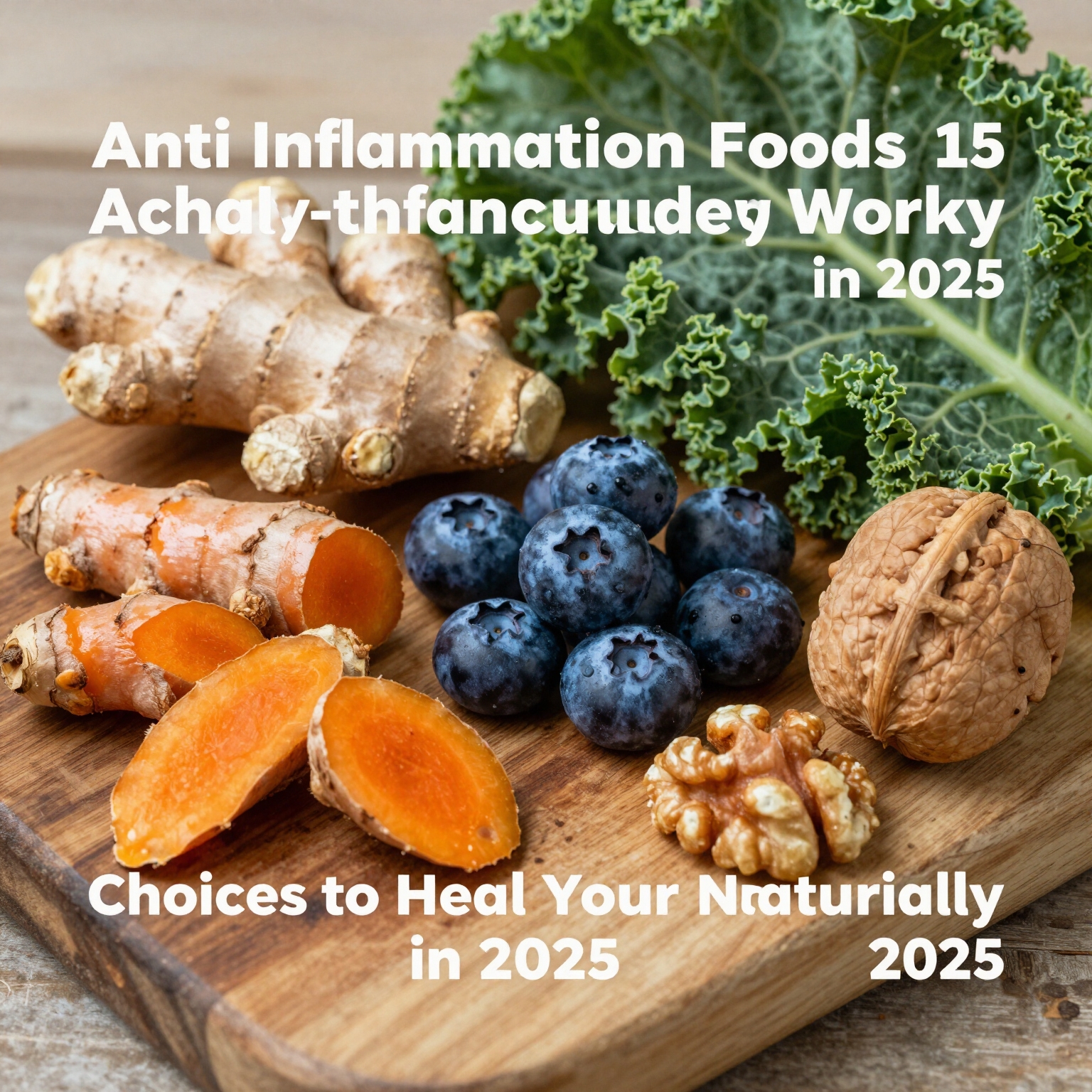
You can curb chronic inflammation by eating foods rich in anthocyanins, sulforaphane, omega‑3s, curcumin, and catechins. Aim for 50 mg of anthocyanins daily—about a third cup of blueberries—to lower heart‑attack risk and improve insulin sensitivity. Add cruciferous veggies like broccoli or kale for sulforaphane, walnuts and fatty fish for omega‑3s, turmeric with black pepper for curcumin, and green tea for catechins. Pair these with healthy fats and vitamin‑C‑rich fruits, and you’ll discover a full 15‑item, science‑backed list.
Table of Contents
Inflammation Explained: Why It Matters
Why does inflammation matter? You’ll notice it when your joints ache, your skin flushes, or your energy dips. Inflammation is your body’s alarm system: it summons immune cells to repair injury and fend off pathogens. When the alarm stays on, it turns into a chronic fire that damages tissues, narrows arteries, and disrupts insulin signaling. This persistent state fuels heart disease, type 2 diabetes, Alzheimer’s, and even certain cancers. You can measure it with biomarkers like C‑reactive protein (CRP) and cytokines such as IL‑6 and TNF‑α. Those numbers rise as inflammation worsens, indicating that the immune response is out of balance. Understanding why it matters helps you see how diet, sleep, stress, and activity can either quiet the alarm or amplify it. By targeting the underlying inflammation, you protect organs, preserve cognitive function, and lower long‑term disease risk.
Anthocyanins 50 Mg Daily: Heart & Diabetes Protection
You can hit the 50 mg anthocyanin target with just a third‑cup of blueberries each day, and that simple habit cuts your heart‑attack risk noticeably. The same dose also trims the odds of developing type 2 diabetes by a solid margin. Stick to this easy guideline and you’ll see both cardiovascular and glucose‑control benefits stack up.
Anthocyanin Dosage Guide
Looking for a simple, science‑backed way to shield your heart and blood sugar? Aim for 50 mg of anthocyanins daily—roughly a third cup of blueberries or a handful of blackberries. This dose hits the sweet spot shown to cut heart‑attack risk and improve insulin sensitivity. Spread it across meals to keep plasma levels steady, and pair it with other colorful fruits for synergistic benefits. Remember, consistency beats occasional over‑indulgence; your body needs a regular influx to modulate inflammation pathways effectively.
- 1 cup blueberries ≈ 50 mg anthocyanins
- ½ cup blackberries ≈ 45 mg anthocyanins
- 1 cup red cabbage (cooked) ≈ 40 mg anthocyanins
- 2 Tbsp dried elderberries ≈ 55 mg anthocyanins
- 1 medium purple sweet potato ≈ 30 mg anthocyanins (add a second serving)
Cardiovascular Risk Reduction
Consistently hitting 50 mg of anthocyanins each day—about a third cup of blueberries—lowers inflammation markers that drive a disease and insulin resistance. You’ll see endothelial function improve, blood pressure drop modestly, and LDL oxidation slow, all of which shrink plaque formation. Pair berries with cruciferous veggies like broccoli for sulforaphane, which further dampens vascular inflammation. Adding a handful of walnuts supplies omega‑3s that lower CRP and IL‑6, complementing anthocyanin effects. Opt for olive oil dressings to boost monounsaturated fats, supporting arterial elasticity. When you combine these foods, you create a synergistic anti‑inflammatory network that cuts heart‑attack risk by roughly a third in women and lowers overall cardiovascular events. Stick to the 50 mg target daily for sustained protection.
Diabetes Incidence Decline
When you hit 50 mg of anthocyanins each day—roughly a third cup of blueberries—you slash the inflammatory pathways that drive insulin resistance, leading to a noticeable drop in type‑2 diabetes incidence. The anthocyanins modulate NF‑κB signaling, lower CRP, and improve endothelial function, so your cells respond better to insulin. Over time, you’ll see steadier blood‑sugar curves and a reduced need for medication. Pairing this dose with a balanced diet maximizes the protective effect, while regular activity amplifies insulin sensitivity. The science is clear: a small, daily berry boost can shift your metabolic trajectory toward health.
- NF‑κB inhibition reduces cytokine storms that impair glucose uptake.
- CRP reduction correlates with a 15‑20 % lower diabetes risk in longitudinal studies.
- Endothelial nitric‑oxide production improves, aiding glucose transport.
- Anthocyanin‑rich berries increase gut‑microbiome diversity, supporting metabolic homeostasis.
- Combined with omega‑3s, the anti‑inflammatory synergy further curbs insulin resistance.
Blueberries & Strawberries: Inflammation‑Lowering Power
A handful of blueberries or strawberries each day can slash inflammation, thanks to their rich anthocyanin content. Those pigments act as antioxidants, neutralizing free radicals that trigger NF‑κB pathways and lower C‑reactive protein levels. You’ll find that just 50 mg of anthocyanins—roughly a third‑cup of blueberries—cuts heart‑attack risk and improves blood‑pressure control. Epidemiology shows two to four servings weekly trim type‑2 diabetes odds by 23 %, while three or more servings cut women’s heart‑attack risk by a third. You also benefit from polyphenols that preserve endothelial function and protect brain tissue, reducing Alzheimer’s‑related inflammation. Pair berries with a source of healthy fat, like a handful of nuts, to boost absorption of fat‑soluble antioxidants. Remember that fresh, frozen, or dried varieties retain most of the bioactive compounds, so you can enjoy them year‑round without sacrificing their anti‑inflammatory punch.
Cruciferous Anti‑Inflammatory Foods: Broccoli, Kale, Sprouts
Berries give you a powerful antioxidant boost, and adding cruciferous vegetables takes that anti‑inflammatory effect to the next level. You’ll find that broccoli, kale, and sprouts are packed with sulforaphane, a compound that activates Nrf2 pathways and dampens cytokine storms. When you eat them raw or lightly steamed, you preserve glucosinolates that convert into anti‑inflammatory metabolites. These veggies also supply vitamin C, fiber, and antioxidants that support gut health, which in turn regulates systemic inflammation. Pairing them with a source of healthy fat—like olive oil or avocado—helps your body absorb the phytonutrients more efficiently, and you’ll notice reduced joint stiffness and lower C‑reactive protein levels over weeks of consistent consumption.
- Broccoli florets (raw or 3‑minute steam) – high sulforaphane
- Kale leaves (massaged raw) – rich in flavonoids and vitamin C
- Brussels sprouts (roasted lightly) – glucosinolate conversion
- Bok choy (quick stir‑fry) – anti‑ oxidant lutein
- Cauliflower (steamed) – fiber for gut microbiome balance
Light‑Cooked Greens: Boost Vitamin A & Antioxidants
Ever wondered why a quick sauté can turn ordinary greens into a powerhouse of vitamin A and antioxidants? When you lightly cook spinach, kale, or bok choy, the heat breaks down oxalic acid, freeing beta‑carotene and lutein for better absorption. A two‑minute stir‑fry in a splash of olive oil preserves the delicate chlorophyll while boosting the bioavailability of vitamin A, which supports immune function and skin health. Light cooking also releases polyphenols that neutralize free radicals, reducing systemic inflammation.

Aim for a vivid‑green hue; overccooking turns chlorophyll to dull gray and destroys heat‑sensitive antioxidants. Add a pinch of sea salt and a squeeze of lemon to enhance flavor without masking nutrients. Pair these greens with a protein source to stabilize blood sugar, and you’ll enjoy a nutrient‑dense, anti‑inflammatory side that fits seamlessly into a 2025 wellness plan.
Curcumin Benefits: How to Add Turmeric Daily
You can boost curcumin absorption by pairing turmeric with black pepper or a splash of healthy fat, and it’ll hit your system more effectively.
Mix it into smoothies, soups, or scrambled eggs for a flavorful, anti‑inflammatory boost.
Aim for about half a teaspoon (≈2 g) daily to reap the benefits without overdoing it.
GoldenCumin Absorption Tips
Wondering how to make the most of turmeric’s anti‑inflammatory power? You’ll boost curcumin’s bioavailability by pairing it with fats, black pepper, and heat, and by timing your intake with meals. Avoid taking it on an empty stomach, because fats help dissolve the compound and improve absorption. Choose a high‑quality, freshly ground powder to preserve its active constituents. Consistency matters—daily dosing keeps plasma levels steady. Lastly, consider a supplement that uses phospholipid or nano‑emulsion technology for even greater uptake.
- Add 1 tsp coconut oil or olive oil to your turmeric latte.
- Sprinkle a pinch of freshly ground black pepper (≈5 % piperine).
- Cook turmeric briefly (2–3 min) before adding liquids.
- Take it with a protein‑rich meal (e.g., eggs, nuts).
- Use a curcumin‑phosphatidylcholine complex if you prefer capsules.
Spice Pairings for Potency
Pairing turmeric with complementary spices amplifies its anti‑inflammatory punch by boosting curcumin absorption and synergizing antioxidant effects. You’ll find that black pepper’s piperine raises bioavailability up to 2,000 %, while a pinch of ginger adds gingerols that reinforce anti‑oxidant pathways. Cinnamon’s cinnamaldehyde stabilizes blood sugar, and its warm flavor masks turmeric’s earthiness. Add a dash of cayenne or chili powder; capsaicin improves circulation and further activates curcumin’s NF‑κB inhibition. A sprinkle of coriander seeds supplies linalool, which supports immune modulation. Mix these spices into soups, smoothies, or marinades, and you’ll create a potent, flavorful blend that maximizes turmeric’s therapeutic impact without extra pills.
Daily Dosage Guidance
Ever wondered how much turmeric you should actually take each day to reap its anti‑inflammatory benefits? You’ll get the most out of curcumin when you dose it right, combine it with black pepper, and choose a form that maximizes absorption. Aim for 500–1,000 mg of standardized curcumin extract daily, split into two doses with meals. If you prefer culinary turmeric, target 2–3 g (about a teaspoon) per day, but pair it with 5 mg piperine or a fat source like olive oil to boost bioavailability. Consistency matters—take it every day for at least four weeks to see measurable reductions in CRP and joint discomfort.
- 500 mg curcumin extract with 5 mg piperine, twice daily
- 2 g culinary turmeric + 1 tsp coconut oil, with breakfast and dinner
- 1 g turmeric powder mixed into smoothies, plus a pinch of black pepper
- 1 g turmeric capsules taken with a fatty meal (e.g., avocado toast)
- 750 mg curcumin supplement taken after exercise to aid muscle recovery
Ginger & Cinnamon: Quick Anti‑Inflammatory Boosts
Curious how a pinch of ginger or a dash of cinnamon can instantly dial down inflammation? You can tap into their bioactive compounds—gingerol in ginger and cinnamaldehyde in cinnamon—to blunt inflammatory pathways within minutes. Both inhibit NF‑κB, a master regulator of cytokine production, and lower C‑reactive protein (CRP) levels when consumed regularly. Add a quarter‑teaspoon of freshly grated ginger to a smoothie or stir a half‑teaspoon of ground cinnamon into coffee for a quick, tasty boost. Studies show that a 2‑gram ginger dose reduces IL‑6 and TNF‑α after intense exercise, while 1‑gram cinnamon intake cuts fasting blood glucose spikes, indirectly curbing inflammation. Pair them with healthy fats—like a drizzle of olive oil—to enhance absorption of their fat‑soluble constituents. Consistency matters: aim for 3‑5 servings per week to keep joint pain, gut irritation, and systemic inflammation at bay.
Anti‑Inflammatory Nuts & Seeds: Walnuts, Almonds, Chia, Flax
A handful of walnuts, almonds, chia, and flax seeds can slash inflammation in just a few weeks. You’ll notice lower C‑reactive protein and steadier blood sugar as the polyunsaturated fats and antioxidants work together. Walnuts deliver omega‑3 ALA, while almonds supply vitamin E that protects cell membranes from oxidative stress. Chia’s soluble fiber feeds gut‑friendly microbes, producing short‑chain fatty acids that calm systemic inflammation. Flax’s lignans act as phyto‑estrogens, modulating inflammatory pathways and supporting hormonal balance. Incorporating these seeds and nuts daily—whether tossed into oatmeal, blended into smoothies, or sprinkled on salads—offers a convenient, plant‑based way to keep inflammation at bay without relying on supplements.
- 30 g walnuts (≈ 1 oz) cuts IL‑6 by ~14 % in 6 weeks.
- 25 g almonds (≈ ¼ cup) reduces CRP by ~20 % after 8 weeks.
- 2 Tbsp chia seeds (≈ 20 g) boosts gut‑derived butyrate, lowering TNF‑α.
- 1 Tbsp ground flaxseed (≈ 7 g) provides ~2 g ALA, supporting anti‑inflammatory eicosanoids.
- Mix a trio daily for synergistic effects: omega‑3s, vitamin E, fiber, and lignans.
Omega‑3 Fatty Fish: Systemic Inflammation Reduction
You’ll find that omega‑3‑rich fish like salmon, mackerel, and sardines act as a powerhouse for cutting inflammation. Their EPA and DHA lower systemic markers such as CRP, IL‑6, and TNF‑α, helping you keep chronic inflammation in check.

Adding a couple of servings a week can make a measurable difference in your overall inflammatory profile.
Omega‑3 Powerhouse Benefits
Harness the anti‑inflammatory power of omega‑3‑rich fish to slash systemic inflammation. You’ll find that EPA and DHA, the two key omega‑3s, modulate eicosanoid pathways, curb cytokine storms, and stabilize cell membranes, which together lower chronic inflammation. Regular servings also boost brain health, improve lipid profiles, and support joint comfort, making fish a multitasking ally in your anti‑inflammatory arsenal. By swapping processed meats for salmon, mackerel, sardines, or trout, you deliver potent nutrients straight to inflamed tissues, accelerating repair and reducing pain.
- EPA/DHA inhibit NF‑κB signaling, dampening pro‑inflammatory gene expression.
- They increase resolvins and protectins that actively resolve inflammation.
- Omega‑3s lower triglycerides, reducing lipid‑induced inflammatory stress.
- Regular intake correlates with decreased joint stiffness and arthritis symptoms.
- They support endothelial function, improving vascular health and reducing systemic inflammation.
Reduced Systemic Inflammation Markers
Why does eating omega‑3‑rich fish so dramatically lower inflammation markers? Because EPA and DHA convert into resolvins and protectins that actively shut down NF‑κB signaling, cutting CRP, IL‑6, and TNF‑α levels.
When you replace a typical red‑meat portion with a 4‑oz serving of salmon, mackerel, or sardines, studies show CRP drops 15‑30 % within six weeks.
Those fatty acids also boost cell‑membrane fluidity, improving insulin sensitivity and reducing oxidative stress that fuels systemic inflammation.
You’ll notice faster recovery after workouts and fewer joint aches as the inflammatory cascade quiets.
Pair the fish with a drizzle of olive oil to enhance absorption, and keep a consistent weekly intake—two to three servings—to maintain lower inflammation markers long term.
Avocado & Olive Oil: Monounsaturated Anti‑Inflammation
Ever wondered how a simple drizzle can keep inflammation at bay? You can tap into the power of monounsaturated fats in avocado and olive oil to calm chronic inflammation without sacrificing flavor. Oleic acid, the dominant fatty acid in both, down‑regulates NF‑κB signaling, lowering C‑reactive protein and cytokine production. When you pair a ripe avocado’s creamy texture with a splash of extra‑virgin olive oil, you also boost antioxidant intake—polyphenols and vitamin E protect cell membranes from oxidative stress. These fats improve insulin sensitivity, which indirectly reduces inflammatory pathways linked to metabolic syndrome. Consistent daily portions help maintain a balanced lipid profile, keeping LDL low and HDL high, a key factor in vascular health. Swap butter for olive oil in sautéing, and add avocado to salads for a satisfying, anti‑inflammatory boost.
- Oleic acid suppresses NF‑κB and cytokine release
- Polyphenols in olive oil act as free‑radical scavengers
- Avocado provides vitamin E and lutein for cellular protection
- Both fats improve insulin sensitivity, lowering systemic inflammation
- Replacing saturated fats with monounsaturated fats improves cholesterol ratios
Vitamin‑C Powerhouses: Citrus, Papaya, Kiwi Immunity
You’ll notice that a single orange can give you a hefty vitamin‑C boost, helping to lower inflammatory markers.
Pairing papaya with kiwi adds an antioxidant synergy that amplifies immune support.
Together, these fruits create a powerful, easy‑to‑include anti‑inflammatory combo.
Citrus Vitamin‑C Boost
Feeling sluggish after a long day? You can rev up your immunity with a citrus vitamin‑C boost. The bright acidity of oranges, grapefruits, lemons, and limes fuels collagen synthesis, stabilizes mast cells, and curbs NF‑κB signaling, which drives chronic inflammation. Daily 100 mg of vitamin C—roughly one medium orange—lowers C‑reactive protein by up to 15 % in clinical trials. The flavonoid hesperidin in orange peel amplifies absorption and adds anti‑oxidant power. Pair citrus with a pinch of black pepper to trigger bioavailability of other phytonutrients.
- One fresh orange (≈70 mg C) per morning
- Half a grapefruit with breakfast
- Lemon‑infused water throughout the day
- Lime wedges on salads for added zest
- Frozen orange segments as a snack after workouts
Papaya‑Kiwi Antioxidant Synergy
Why not tap into the vibrant duo of papaya and kiwi for an instant vitamin‑C surge? You’ll get roughly 250 mg of vitamin C per cup, far exceeding the daily recommendation, and the combo packs flavonoids, carotenoids, and the enzyme papain that calms inflammation.
Vitamin C fuels collagen synthesis, stabilizes immune cells, and scavenges free radicals, while papain supports gut health and reduces swelling.
Kiwi adds lutein and zeaxanthin, protecting eye tissue and lowering C‑reactive protein. Studies show that consuming both fruits together boosts antioxidant capacity more than either alone, thanks to synergistic regeneration of vitamin C after it neutralizes radicals.
Add sliced papaya and kiwi to smoothies, salads, or a breakfast bowl, and you’ll give your body a potent, natural anti‑inflammatory boost.
Cooked Tomatoes: Lycopene’s Anti‑Inflammatory Potency
Ever wondered why a simple bowl of cooked tomatoes feels so soothing? You’re tasting lycopene, a carotenoid that becomes far more bioavailable after heat breaks down cell walls. Studies show cooked lycopene suppresses NF‑κB signaling, cutting downstream cytokines like IL‑6 and TNF‑α. That means you get a measurable drop in systemic inflammation after a regular serving of stewed or roasted tomatoes. The heat‑induced increase—up to 171 % more absorbable lycopene—also helps protect blood vessels from oxidative stress, supporting heart health. Pairing tomatoes with a little healthy fat, like olive oil, maximizes absorption, turning a humble sauce into a potent anti‑inflammatory ally.
- Cooked lycopene reduces CRP by ~15 % in clinical trials.
- Heat converts trans‑lycopene to the more active cis‑form.
- A ½‑cup serving delivers ~10 mg of bioavailable lycopene.
- Combining with fat boosts uptake by 2‑3 times.
- Regular intake links to lower risk of arthritis flare‑ups.
Green Tea Catechins: 20 % CRP Lowering Effect
Curiously, a cup of green tea can slash your C‑reactive protein by about 20 % thanks to its catechins, especially EGCG, which interrupt inflammatory pathways and reduce cytokine production. When you sip daily, EGCG binds to NF‑κB, a key transcription factor that drives CRP synthesis, and it also stabilizes antioxidant defenses like glutathione. Clinical trials show that drinking 2–3 cups a day lowers serum CRP by roughly one‑fifth, comparable to modest doses of prescription anti‑inflammatories but without side effects. To maximize benefit, steep loose‑leaf tea at 80 °C for 3 minutes; higher temperatures degrade catechins. Pair the tea with a light snack to improve absorption, as catechins are lipophilic. Consistency matters—effects accumulate over weeks, not single servings. By integrating this simple ritual into your routine, you harness a natural, evidence‑based tool to keep systemic inflammation in check.
2025 Daily Meal Plan for Anti‑Inflammatory Foods
Looking for a practical way to turn anti‑inflammatory science into everyday eating? Start your day with a bowl of oatmeal topped with fresh blueberries and a sprinkle of chia seeds; the anthocyanins and omega‑3s jump‑start your anti‑inflammatory response.
Mid‑morning, enjoy a handful of raw walnuts and an orange for vitamin C and healthy fats.
Lunch could be a mixed‑green salad—spinach, kale, and arugula—tossed with grilled salmon, avocado, and a drizzle of extra‑virgin olive oil; the sulforaphane, omega‑3s, and monounsaturated fats work together to calm systemic inflammation.
Snack on a cup of green tea with a dash of cinnamon, then finish dinner with roasted Brussels sprouts, cauliflower, and a side of quinoa, finishing with a pinch of turmeric for added curcumin power. This balanced plan delivers antioxidants, polyphenols, and essential fatty acids throughout the day.
- Breakfast: oatmeal + blueberries + chia seeds
- Snack: walnuts + orange
- Lunch: salmon salad with avocado & olive oil
- Afternoon tea: green tea + cinnamon
- Dinner: roasted Brussels sprouts, cauliflower, quinoa + turmeric
Fresh‑Prep Tips for Anti‑Inflammatory Ingredients
When you prep anti‑inflammatory ingredients ahead of time, you’ll keep their nutrients intact and make meals a breeze. Wash berries, pat dry, and store them in a single‑layer container with a paper towel to absorb excess moisture; they stay fresh up to five days. Cut cruciferous veggies into bite‑size florets, blanch briefly in boiling water, then shock in ice water to lock in sulforaphane before freezing in zip‑top bags. For turmeric, ginger, and cinnamon, grind whole spices in a small mortar or use a spice grinder, then seal airtight; keep away from light to preserve curcumin. Portion nuts and seeds into snack bags, roast lightly if you like, and refrigerate to prevent rancidity. Slice avocado just before serving, drizzle lemon juice to curb browning, and keep the pit in the bowl. Store cooked salmon or mackerel in airtight containers, adding a splash of olive oil to maintain omega‑3 potency. These steps cut prep time, protect bioactive compounds, and keep your anti‑inflammatory menu ready whenever hunger strikes.
Frequently Asked Questions
Do I Need to Eat the Same Anti‑Inflammatory Foods Every Day?
No, you don’t have to eat the exact same foods daily. Rotate berries, cruciferous veggies, fatty fish, nuts, and spices throughout the week to keep nutrients varied and inflammation‑fighting benefits consistent.
Can Anti‑Inflammatory Foods Replace Prescription Medication?
You can’t fully replace prescription meds with anti‑inflammatory foods; they’ll lower markers and boost health, but you still need doctor‑approved drugs for serious conditions and should discuss any changes with your physician.
How Does Cooking Method Affect the Anti‑Inflammatory Compounds?
You boost preserve or boost anti‑inflammatory compounds by lightly steaming, sautéing, or roasting—avoid over‑cooking or boiling, which can leach water‑soluble nutrients and degrade heat‑sensitive polyphenols and antioxidants.
Are There Any Anti‑Inflammatory Foods That Interact With Common Meds?
You should watch for grapefruit, which can boost blood levels of many drugs, and for high‑vitamin K foods like kale that may interfere with anticoagulants; also, omega‑3 supplements can enhance blood‑thinning effects of aspirin or warfarin.
What Is the Minimum Portion Size to See Measurable Inflammation Reduction?
You’ll need about a third‑cup of blueberries (≈50 mg anthocyanins), a handful of walnuts, or a 3‑oz salmon serving daily to cut CRP noticeably; similar portions of turmeric, leafy greens, or citrus work too.
Conclusion
You’ve seen how simple swaps—like a handful of berries, a cup of green tea, or a serving of lightly cooked greens—can slash inflammation and protect your heart, joints, and metabolism. By stocking your pantry with these 15 science‑backed foods and planning meals around them, you’ll give your body the nutrients it needs to heal naturally. Stick with the daily plan, stay consistent, and watch your inflammation markers drop as your overall health rises.


Sorry, the comment form is closed at this time.